A Tiger’s Territory Can Be Bigger Than the Entire State of Rhode Island
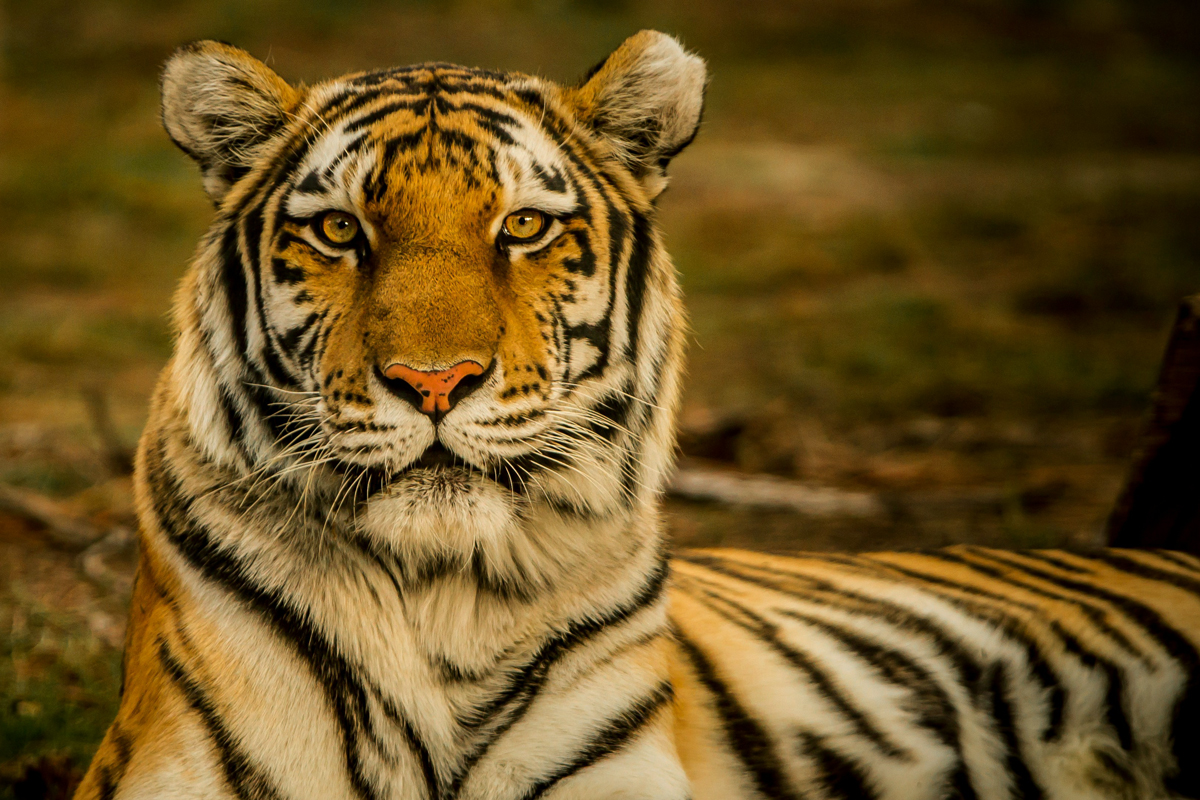
Close-up of tiger
Credit: Blake Meyer/Unsplash.com

You aren’t likely to see a wild tiger roaming through Providence or sauntering down I-95, but if tigers were native to the Ocean State, their territory could potentially encompass the entire state and then some. That’s because Rhode Island has a total area of 1,545 square miles, while the territory of an Amur tiger can be as large as 1,600 square miles.

Amur tigers are native to Siberia (you may better know them as Siberian tigers). While females with cubs typically stay within an area of roughly 6 square miles, males and some females without cubs are known to venture for hundreds of miles. The primary reason is to track down food: Siberia is a barren region with low prey density, so an Amur tiger may expand its range simply to survive.

Glass Frogs Are So Transparent You Can See Their Hearts Beating

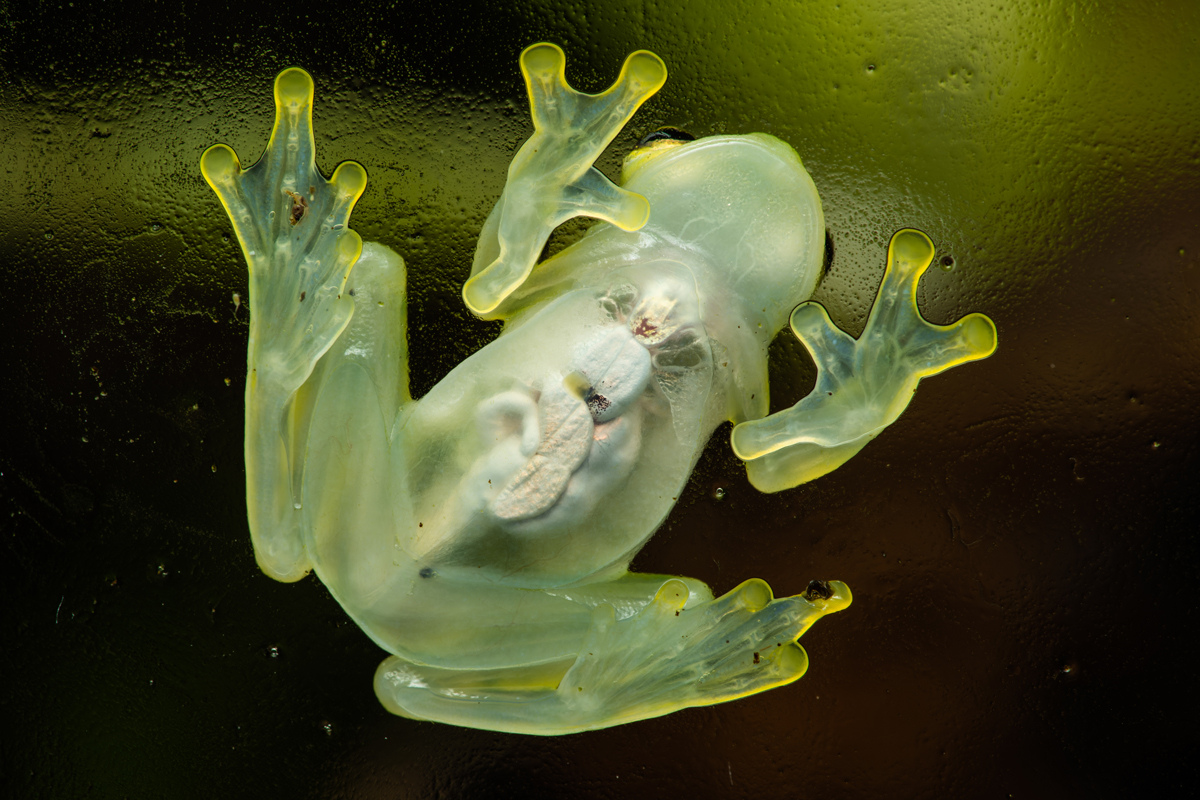
Glass frog with visible internal organs
Credit: Thorsten Spoerlein/Getty Images

The small, lime-green glass frogs of Central and South America have one very peculiar characteristic: Their undersides are so completely transparent that their internal organs are fully visible through the skin. You can see the liver, intestines, and most remarkably of all, the heart — a small, red, rhythmically pulsing structure visible to the naked eye through living tissue. 

In 2022, a study by researchers at Duke University revealed the mechanism behind this transparency: When glass frogs sleep, they pump almost all of their red blood cells into the liver. This reduces the blood’s visibility, the primary obstacle to the frog’s transparency, by around 89%. In effect, the creatures hide their own blood while they sleep, which lends them an incredible degree of transparency, allowing them to blend in with the surrounding environment.

Sailfish Can Swim as Fast as Cheetahs Can Run

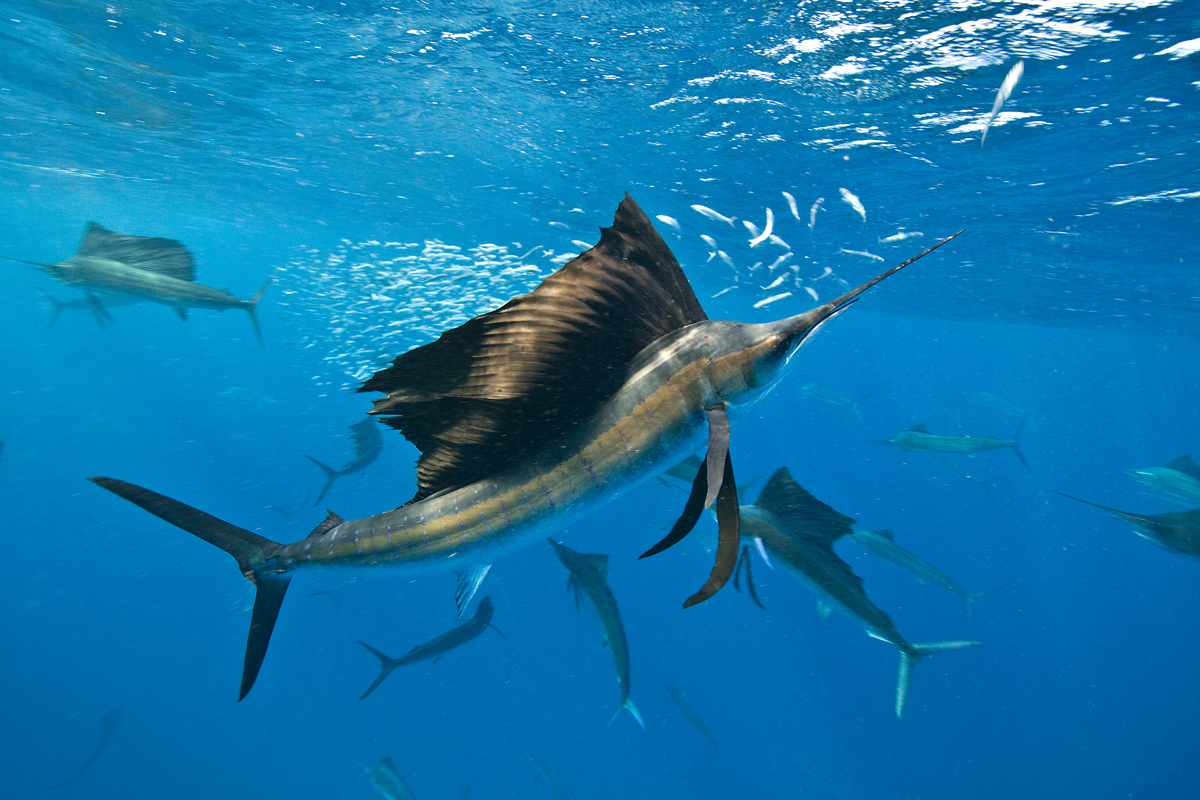
Sailfish swimming
Credit: Connect Images/Adobe Stock

Cheetahs are known for being fleet-footed, reaching top speeds of 65 to 75 miles per hour. But there’s one type of fish that can be aptly described as fleet-finned, giving cheetahs a run (forgive the pun) for their money. Sailfish — specifically the Indo-Pacific sailfish (Istiophorus platypterus) and Atlantic sailfish (Istiophorus albicans), the two primary species of sailfish — can zoom around at up to 68 miles per hour.

While sailfish typically swim at a speed between 20 and 35 miles per hour, they can achieve double that in short bursts, typically when chasing prey. This is despite the fish’s immense size, as the average adult sailfish measures 11 feet long and weighs 211 pounds. But their sleek bodies allow them to glide through water with ease, and their powerful crescent-shaped caudal fins (or tails, in layman’s terms) propel the fish forward with incredible strength at lightning-fast speed.

Great White Sharks Can Detect a Drop of Blood in an Olympic-Sized Swimming Pool

Image Credit: Getty Images/Unsplash.com

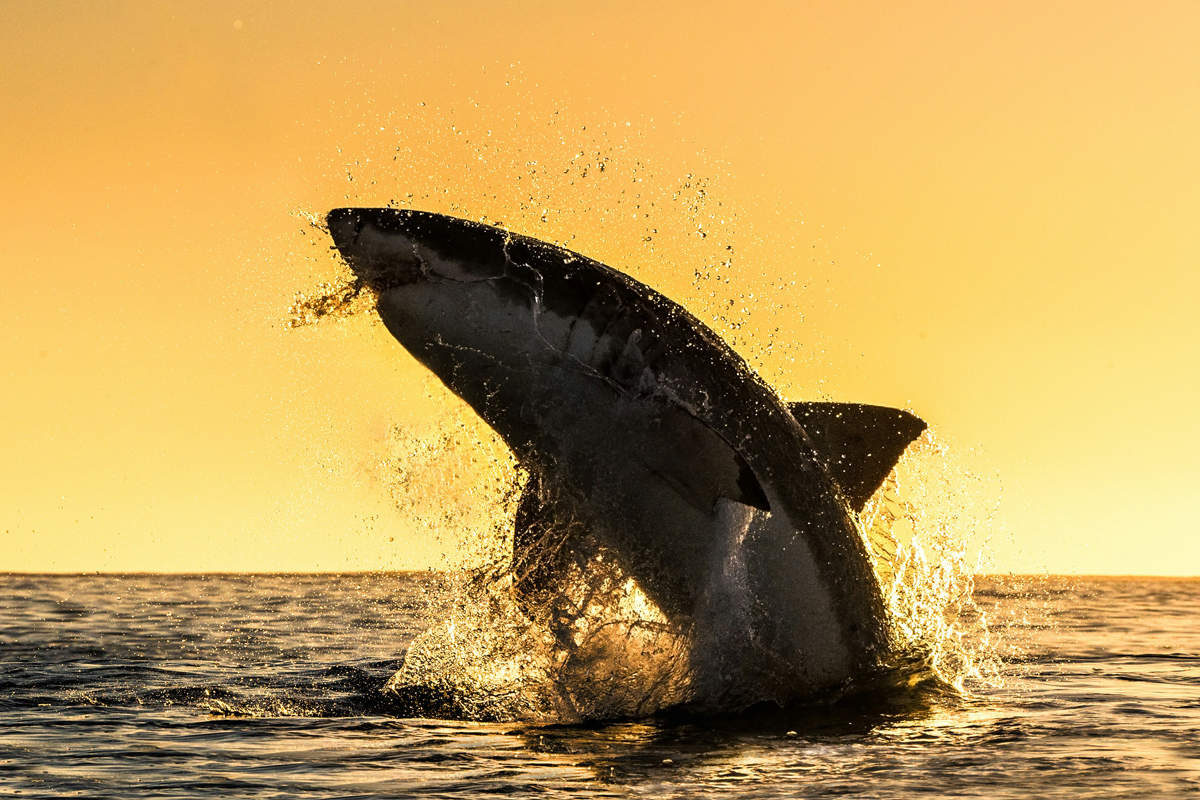
Galeophobia is a surprisingly common fear of sharks in swimming pools, though thankfully, the odds of finding a Great White in the pool are slim to none. However, if a shark were to make its way into a pool, it’d have no trouble tracking down anyone with a fresh wound. That’s because sharks boast an incredibly powerful sense of smell, and can detect a single drop of blood in an Olympic-sized swimming pool.

Olympic-sized pools hold 660,430 gallons of water, and a drop of blood would be imperceptible to the naked eye. But a shark’s nose is highly sensitive, and used solely for smelling rather than breathing. This allows some sharks to detect the smell of blood or prey at one part per 10 billion, and in many cases from hundreds of feet away — or the length of several football fields, to use another sports analogy.

A Shrimp’s Heart Is in Its Head

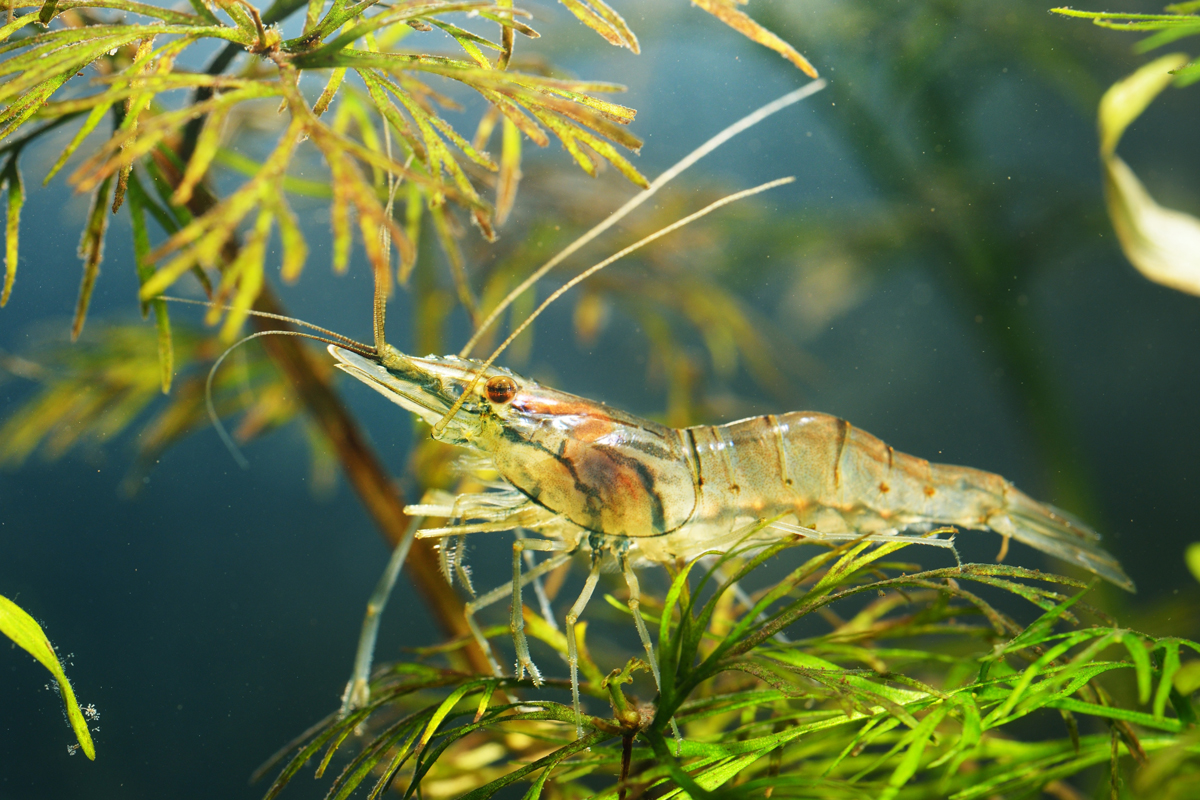
A shrimp climbing over an underwater plant
Image Credit: Alex Stemmer/Adobe Stock

Shrimp may be small, but they have one of the strangest body plans in the animal kingdom. Their heart, for example, sits so close to the brain that it’s effectively inside the head. A shrimp’s heart is located inside the cephalothorax — the fused body section that combines its head and thorax beneath a hard protective shell. Since a shrimp doesn’t have a distinct neck separating its head from the rest of its body, the heart ends up sitting just behind the brain, making it appear as though it’s tucked inside its head.

Unlike humans, shrimp have an open circulatory system. Instead of pumping blood through a network of arteries and veins, their heart pushes a copper-rich fluid called hemolymph into open spaces surrounding their organs. This fluid delivers oxygen and nutrients before eventually making its way back to the heart to begin the cycle again. It’s an efficient design for the small crustacean.

Ducks Sleep With One Eye Open

Image Credit: Zdeněk Macháček/Unsplash.com

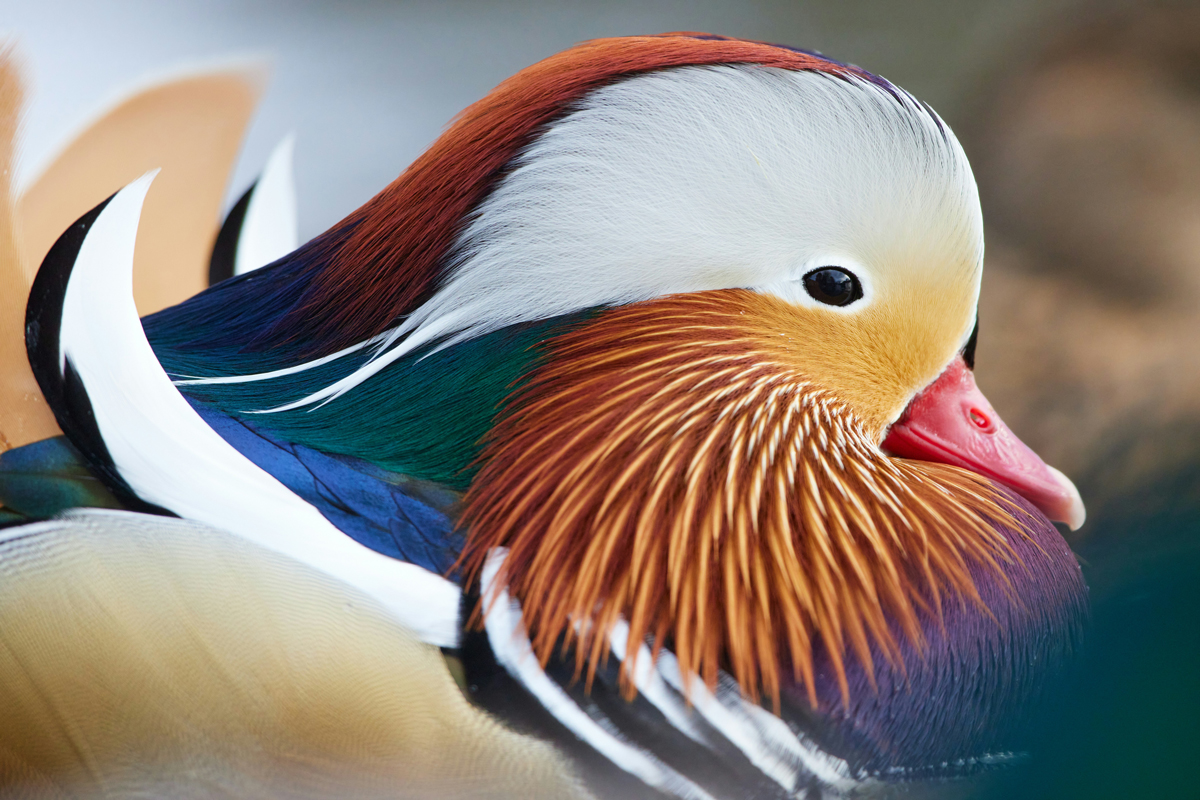
Sleeping alone is dangerous in the animal kingdom, especially if you’re a duck. With predators lurking nearby, a deep, uninterrupted sleep could be a fatal mistake. That’s why these waterfowl have cultivated a safer sleeping strategy. Like many other animals, ducks are capable of unihemispheric sleep, meaning they rest one half of their brain while the other remains awake. During this time, they literally sleep with one eye open, keeping watch for danger while still getting the rest they need.

Fortunately, ducks don’t need to sleep this way all the time. When sleeping in a group, these birds take guard duty in shifts. They sleep in flocks, with ducks on the outer rim employing this one-eyed sleep to keep watch, while ducks in the middle enjoy a restorative two-eyed sleep.

Octopuses Have Three Hearts

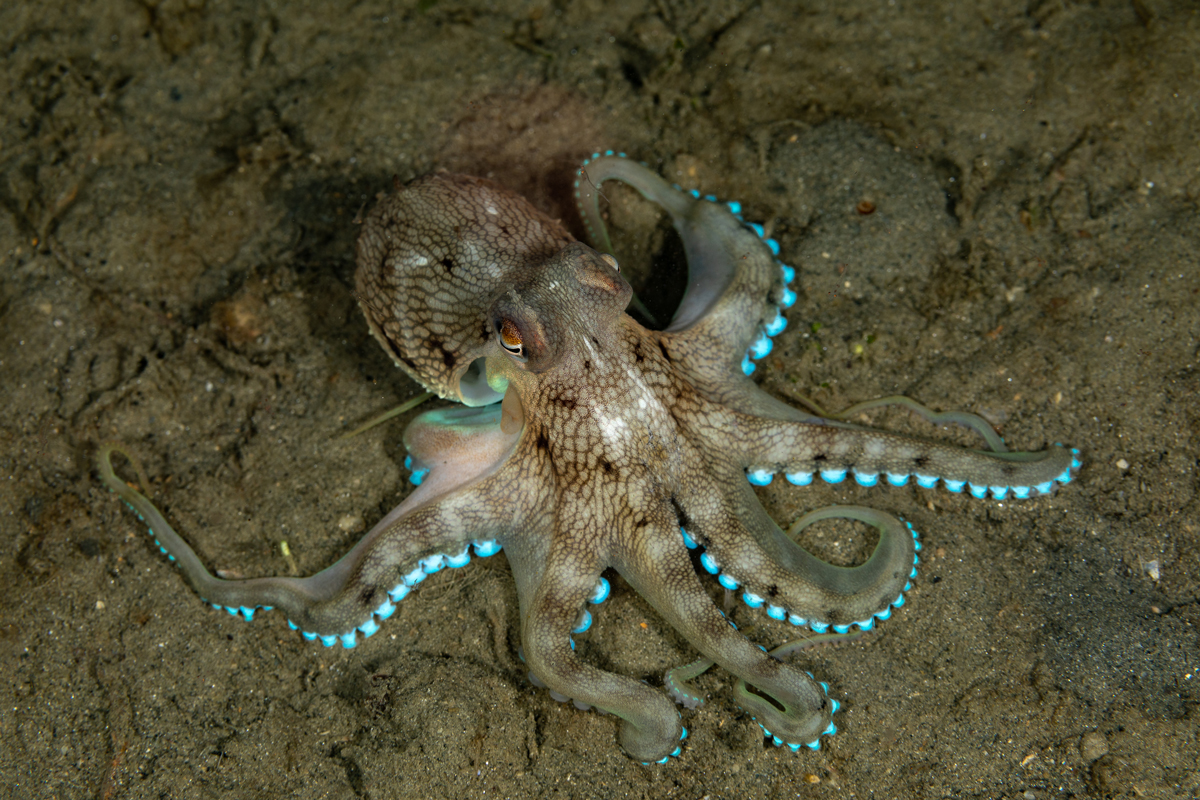
A picture of a brown octopus with glowing turquoise tentacles crawling on the muddy sea floor
Image Credit: GeraldRobertFischer/Adobe Stock

In addition to being exceptionally brainy, octopuses also have a lot going on in one of their other vital organs: the heart, or hearts, of which they have three. Two peripheral hearts pump blood to the gills, while the central heart pumps that oxygenated blood throughout the body. This unique arrangement also explains why the elusive creatures are known to prefer crawling along the seafloor rather than swimming: their third heart stops beating while they swim, which consumes more energy and tires them out faster than crawling. Work smart, not hard.

This isn’t the only oddity in octopuses. Octopus blood is blue, as it contains a copper-based oxygen carrier called hemocyanin that helps the cephalopods thrive at cold temperatures; human blood (and that of other vertebrates) is red because it contains hemoglobin, an iron-based oxygen carrier. Hemocyanin is a less efficient oxygen carrier than hemoglobin, leading some biologists to speculate that octopuses have three hearts to compensate for that deficiency.

Mosquitoes May Prefer Type O Blood

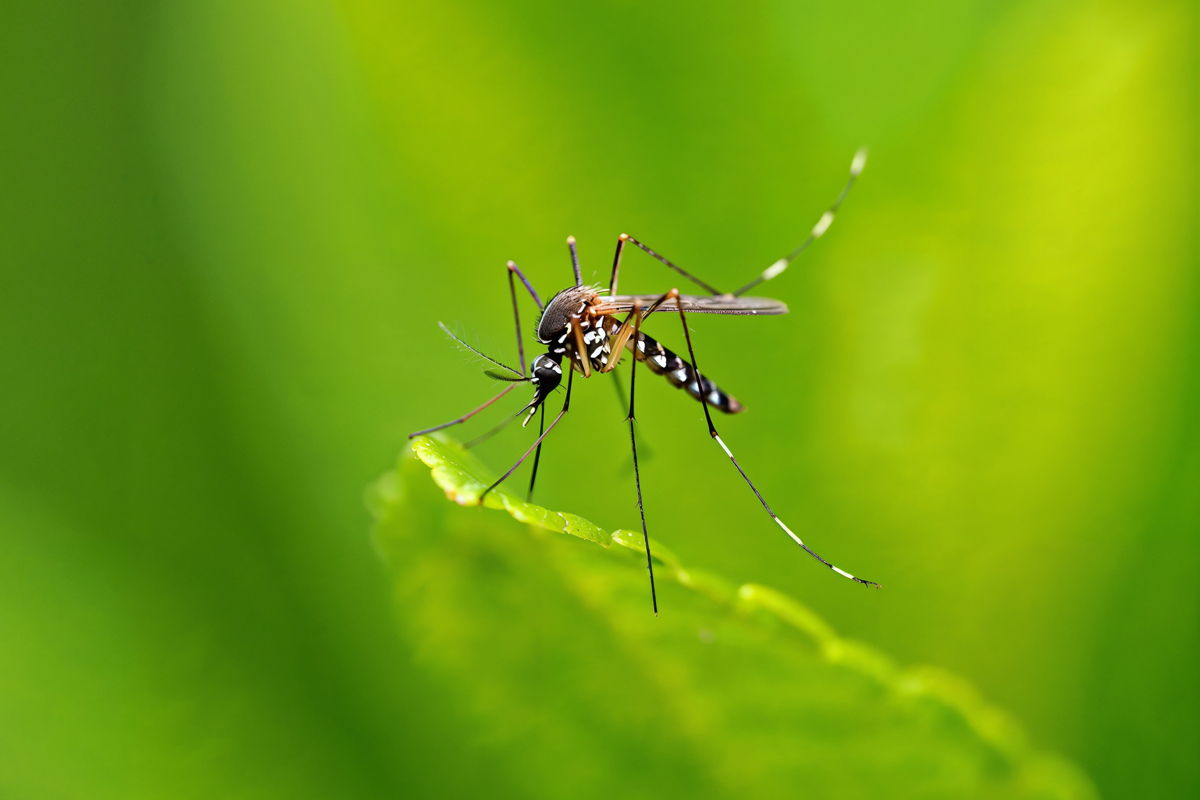
An up-close picture of a mosquito on a green leaf
Image Credit: nenetus/Adobe Stock

Ever wondered why mosquitoes seem determined to bite you while leaving everyone else alone? Your blood type could be part of the answer. Some early studies have shown mosquitoes demonstrating a preference for Type O blood over Type A or B — but that’s only one piece of the puzzle.

Mosquitoes don’t actually know your blood type before they bite. Instead, they home in on a combination of clues, including the carbon dioxide you exhale, your body heat, chemicals in your sweat, and even the unique community of bacteria living on your skin. Once they land, compounds associated with certain blood types may encourage them to stick around. Pregnancy, alcohol consumption, genetics, and even the color of your clothing can also make you more appealing to these tiny bloodhounds.

Dolphins and Whales Can Only Taste Salt

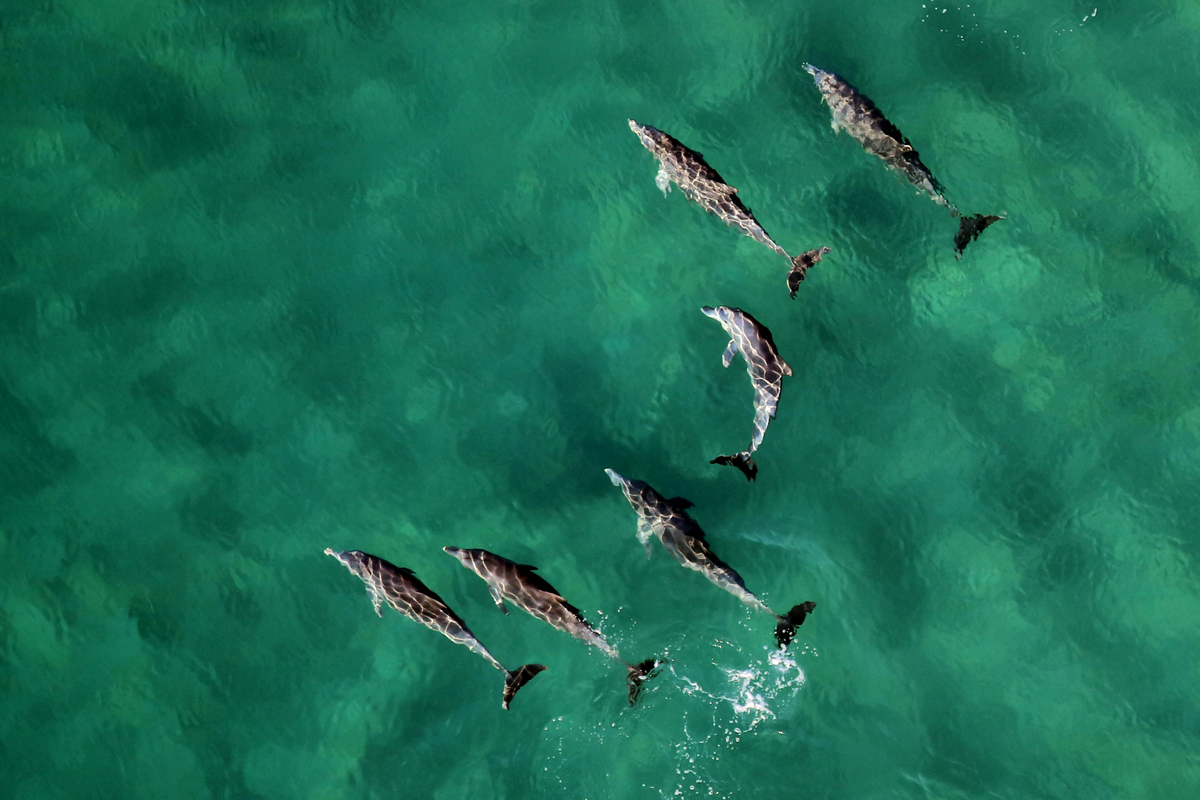
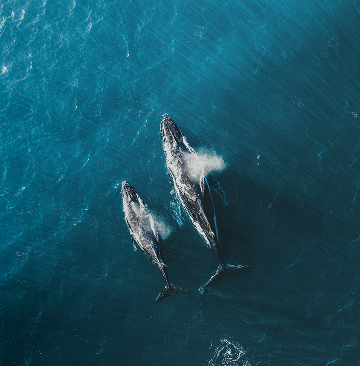
An aerial view of a pod of dolphins swimming in blue-green water
Image Credit: Wynand Uys/Unsplash.com

Imagine if every meal tasted exactly the same. For dolphins and whales, that’s pretty close to reality. While humans experience five basic tastes — sweet, salty, sour, bitter, and umami — these marine mammals appear to detect taste salt. Millions of years ago, mutations in their ancestors disabled most of the taste receptors found on the tongue, leaving salt as the lone survivor. Living in the ocean, that’s not exactly the most exciting flavor.

Taste isn’t just about enjoying food — it’s also a tool for evaluating what we eat. Most vertebrates rely on it to help distinguish nutritious foods from those that are spoiled, bitter, or potentially harmful. Dolphins and whales, however, swallow their prey whole, so over time, they simply stopped relying on most of their sense of taste.

Rats Giggle When Tickled

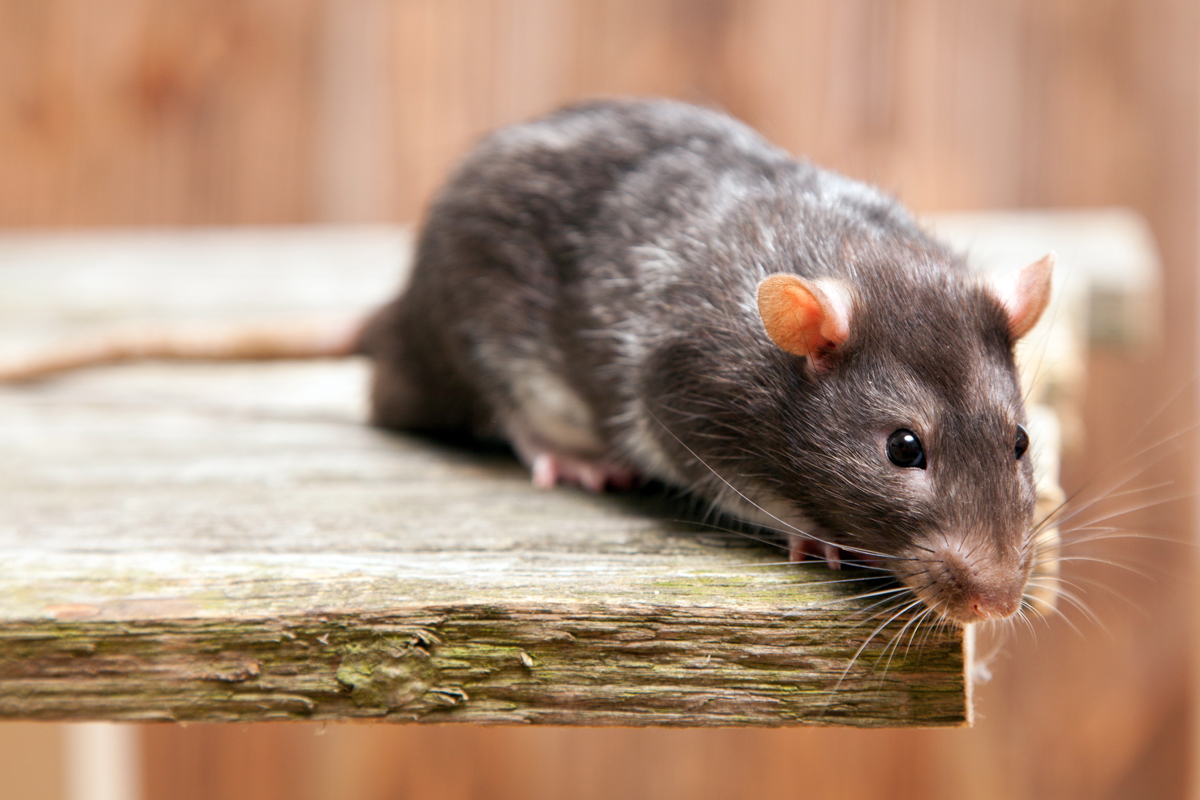
A picture of a grey rat sitting on a wooden table
Image Credit: George Dolgikh/Adobe Stock

Tell them a good knock-knock joke, and rats won’t blink an eye. But tickle their soft spots and they’ll burst into laughter — it’s just too high-pitched for humans to hear. Researchers have found that tickled rats emit ultrasonic squeaks of delight and have even identified the part of the brain responsible for this joyful response.

Rats are surprisingly playful. They chase one another, wrestle, and even play games that resemble tag and hide-and-seek. Better yet, they often come back for more, eagerly seeking out another round of tickles — especially on their backs and bellies.