Arctic Ground Squirrels Can Lower Their Body Temperature Below Freezing
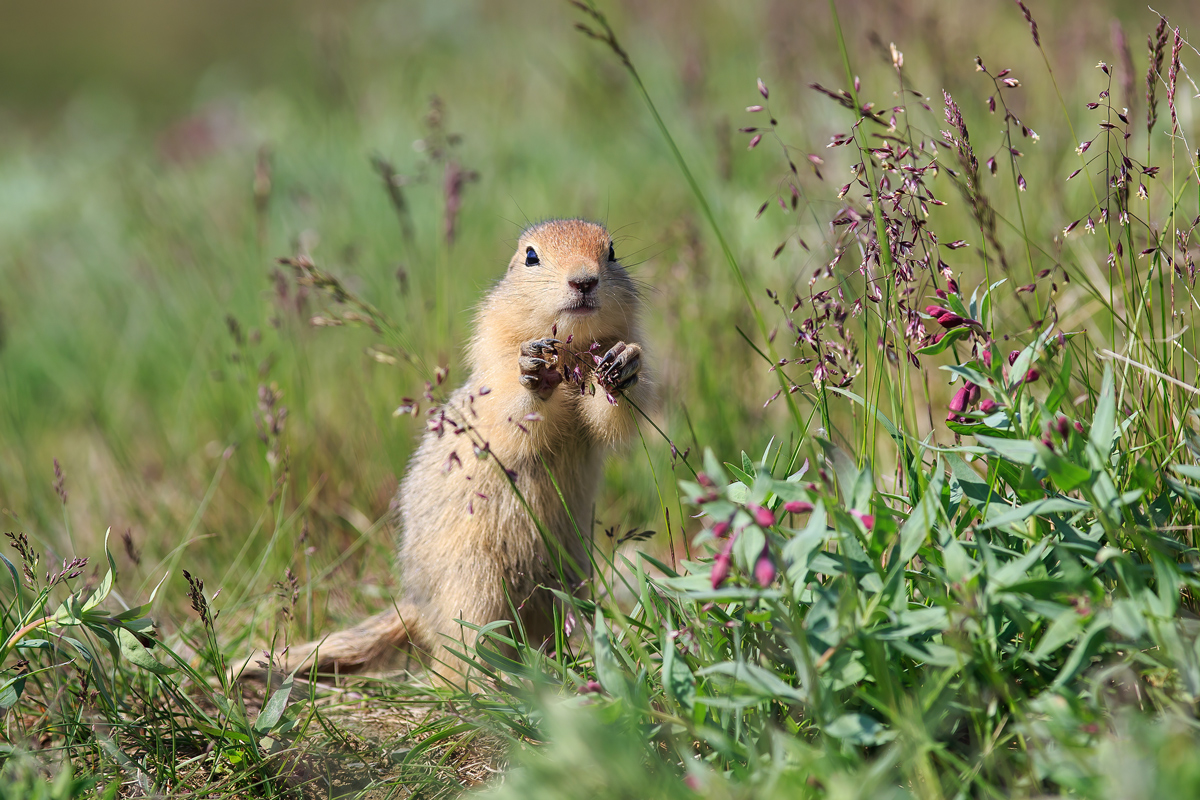
Arctic ground squirrel standing upright
Credit: Andrei Stepanov/Adobe Stock

Arctic ground squirrels are — for part of the year, at least — quite literally the coolest mammals on Earth. During hibernation, which can last up to eight months in the frigid Alaskan winter, these squirrels lower their core body temperature to approximately 26 degrees Fahrenheit — below the freezing point of water. They’re the only known warm-blooded mammals capable of supercooling their bodies this way.

They achieve this feat of suspended animation by slowing their metabolisms to a fraction of the normal rate. Their bodies become so cold, and their breathing and heartbeat so slow, that it’s hard to tell if they’re still alive. Many of their brain cells and synapses die off during this process but rapidly regenerate as the animals emerge from hibernation.
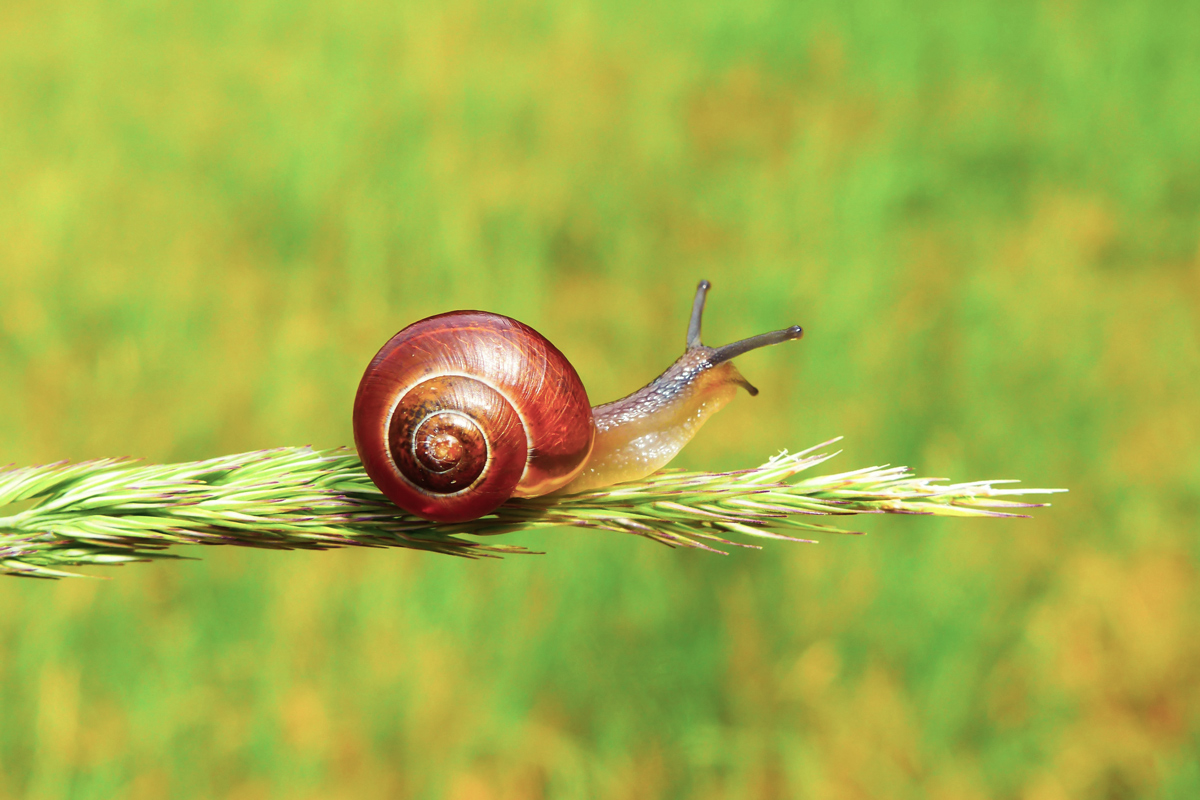

Some Snails Can Hibernate for Three Years or More

Snail perched on a plant
Credit: Krzysztof Niewolny/Unsplash.com

Much like many snowbirds (human and avian) who travel south for winter, most snails have a tough time handling cold weather. Snails often enter prolonged states of hibernation, sealing off their shells with an insulating calcified membrane called an epiphragm. While many snails emerge from hibernation after a few months, certain species can hibernate for years at a time.

This revelation came to light in 1846, when a snail of the species Eremina desertorum — which was believed to be dead — was taken from Egypt to be displayed at the British Museum. More than three years later, curators noticed that the snail had woken up after an impressively prolonged rest. Snails may also enter a state of estivation, which, unlike hibernation, is done to survive in extremely hot environments. This process, too, can last for at least three years.

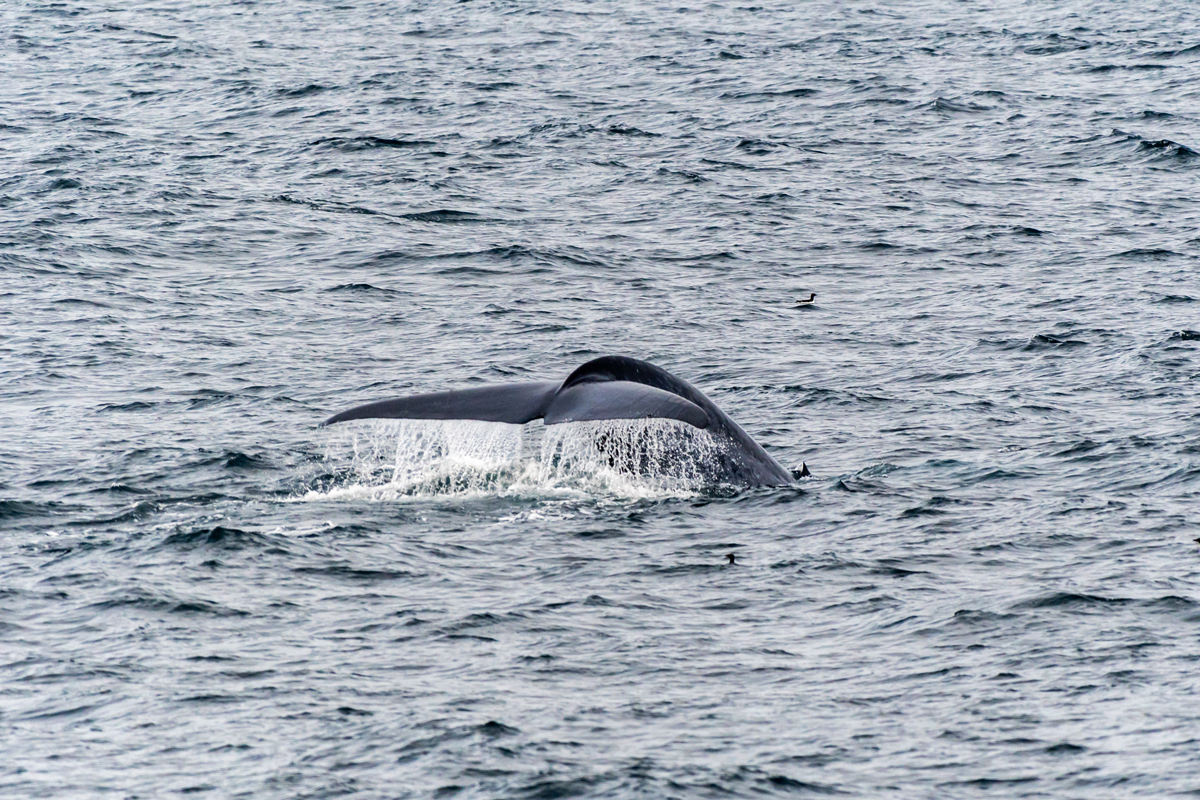
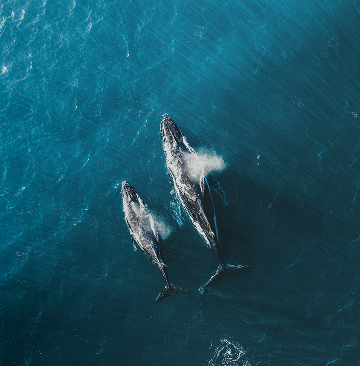
A Blue Whale’s Heart Can Beat Just Twice a Minute

Blue Whale fin breaching the ocean surface
Credit: Kirk Hewlett/Adobe Stock

The blue whale — the largest animal that’s ever lived — has a heart befitting its monumental size. Weighing around 400 pounds and measuring roughly the size of a golf cart, it’s the largest heart of any animal on Earth. 

When a blue whale dives in search of food, this mighty organ slows its rhythm to just two beats per minute. This extremely low heart rate is a remarkable physiological adaptation that helps the whale conserve oxygen, allowing the massive creature to reach depths of more than 1,000 feet and remain underwater for around 30 minutes. When it returns to the surface, its heart rate surges back up to around 25 to 37 beats per minute as the whale takes on fresh oxygen.

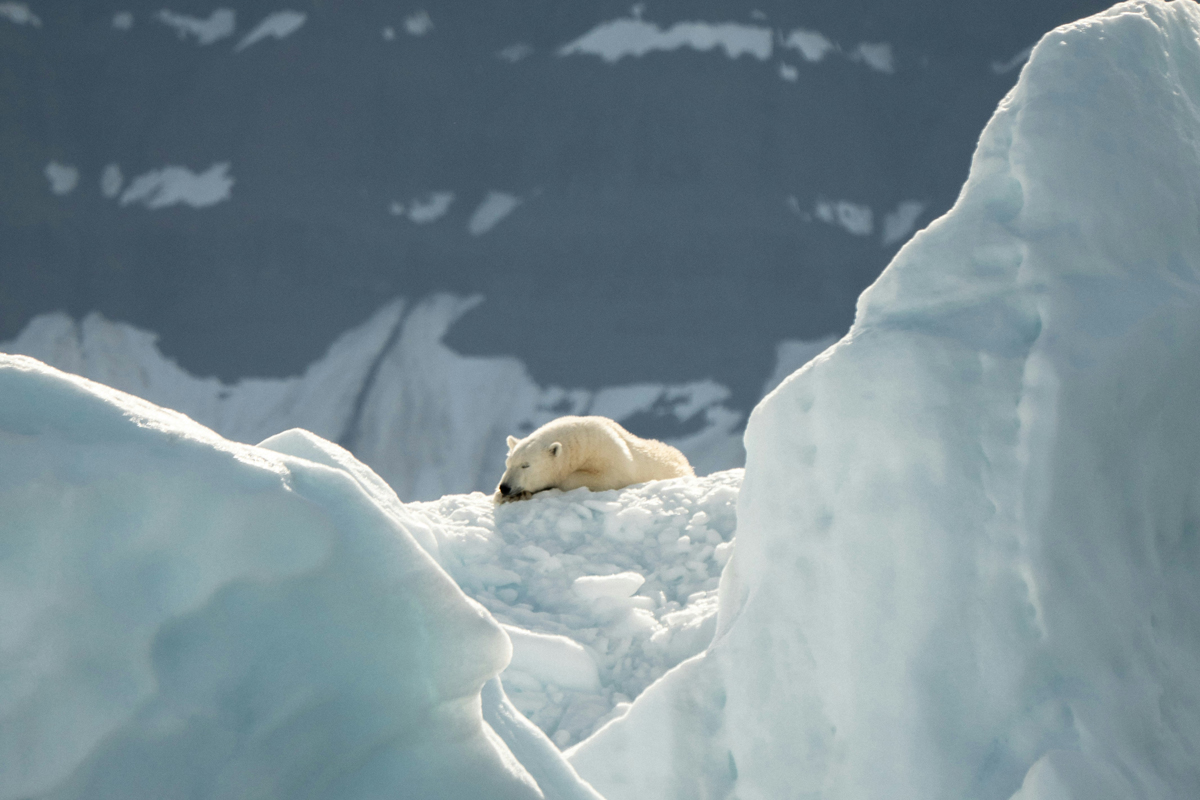
Adult Polar Bears Have No Natural Predators

Image Credit: Annie Spratt/Unsplash.com

It pays to be the biggest creature around, and at 10 feet tall on their hind legs and weighing up to 1,300 pounds, polar bears are king. As the world’s largest land carnivores, they have no natural predators, instead spending their days as the toughest hunters around, stalking seals across sea ice and diving into frigid waters in search of their next meal.

That doesn’t mean polar bears are invincible. Cubs are occasionally vulnerable to wolves or even other polar bears, but healthy adults have little to fear from other wildlife. Their greatest threat today isn’t another predator at all — it’s the rapid loss of Arctic sea ice. As the ice disappears, polar bears lose the hunting grounds they depend on, making it harder to catch enough seals to survive.

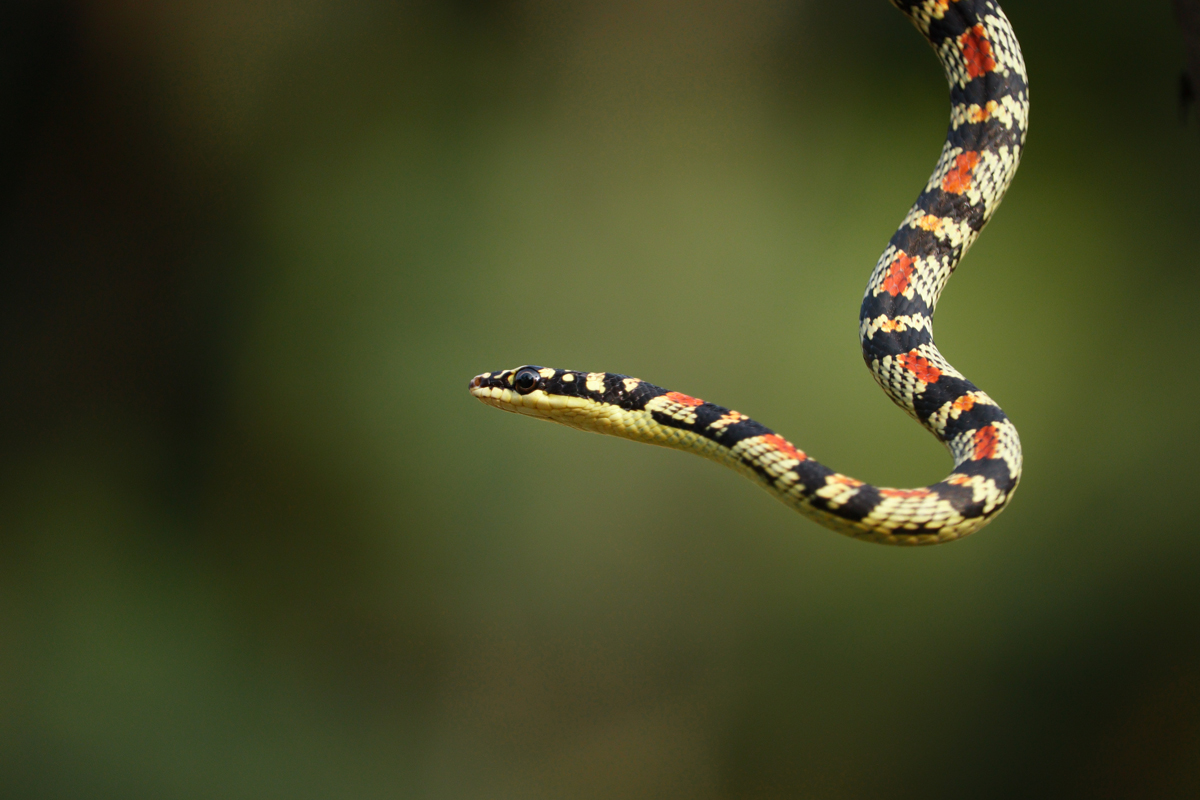
Some Snakes Can “Fly” Short Distances

Image Credit: Akash/Adobe Stock

Not in the same way as a bird or bat, but if you spotted one soaring overhead, you probably wouldn’t care about the distinction. “Flying snakes” are actually five species of tree-dwelling snakes that have evolved an extraordinary way to travel through the rainforest. Instead of slithering down one tree and back up another, they launch themselves from the canopy and glide through the air. 

While in flight, they contort their bodies to semi-control their direction, and glide more than 300 feet. Like other snakes, these reptiles are carnivorous, living off small rodents and lizards, and mildly venomous, though mostly harmless to humans. Still, the next time you’re trekking through the jungles of Indonesia, make sure you take the time to look up.

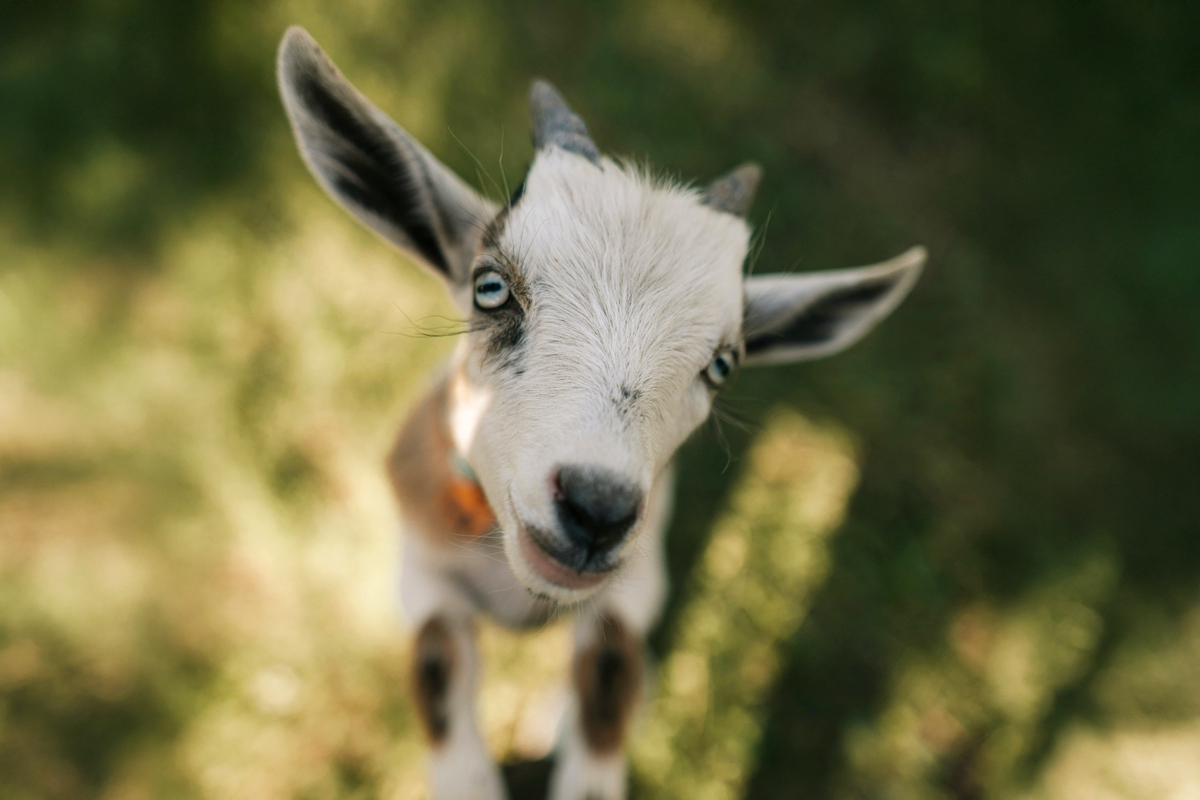
Goats Have Rectangular Pupils

Image Credit: Jayson Hinrichsen/Unsplash.com

If you’ve ever found yourself trapped in a staring contest with a goat you might have noticed something fairly unusual. Goats have horizontal, rectangular pupils. They’re not alone, either. Sheep, deer, horses, and many other grazing animals share this oblong eye shape — and for good reason. Horizontal pupils give herbivores a panoramic view of the world, allowing them to scan for predators without lifting their heads from the ground while they graze. Their pupils even rotate as they tilt their heads, helping keep the horizon in focus. 

Predators, by contrast, often have vertical slit pupils that improve depth perception and help them judge the distance to their prey. Humans fall somewhere in between, with round pupils that provide balanced, even vision and accurate depth perception — much more suitable for a species that relies on hands rather than hooves.

Butterflies Taste With Their Feet

Image Credit: Boris Smokrovic/Unsplash.com

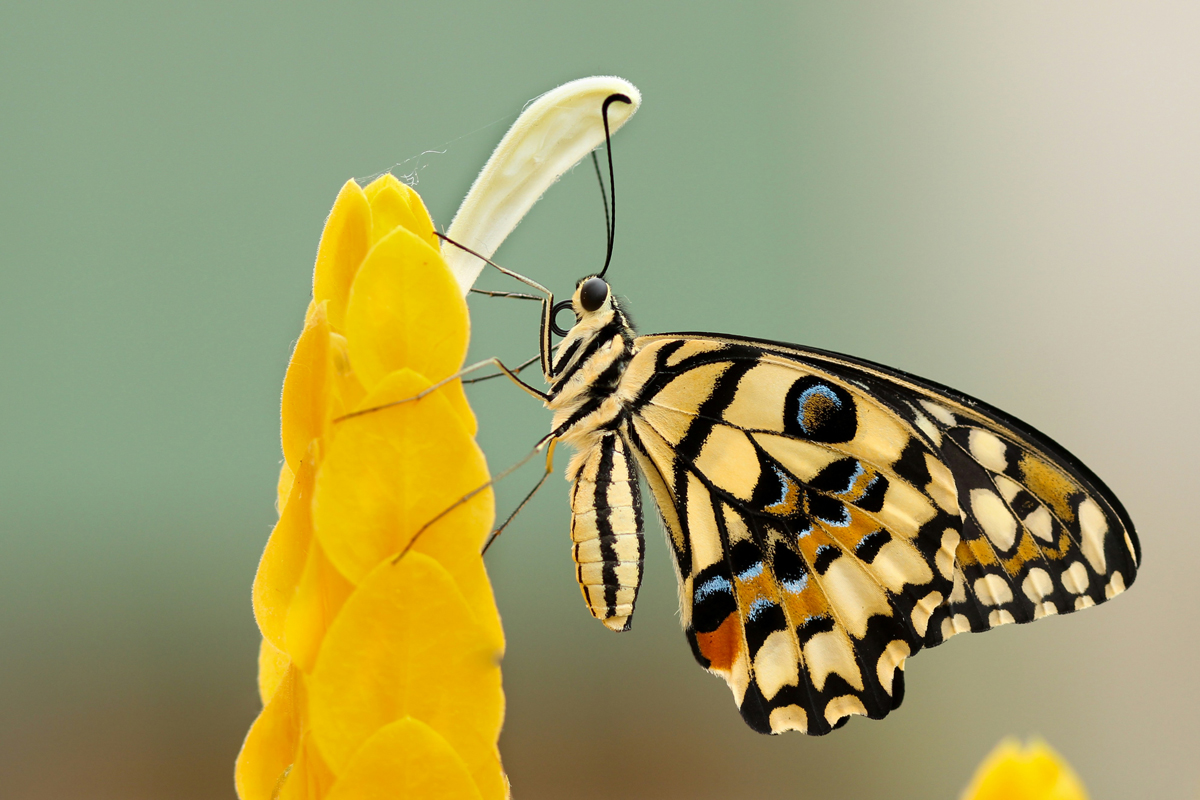
Humans rely on our tongues to taste food, but butterflies take a very different approach. While they do have a few taste receptors on their proboscis — the long, straw-like mouth they use to sip nectar — most of their taste sensors are located on their feet. In other words, every landing is also a taste test.

When a butterfly touches down on a flower, leaf, or even a patch of mud, specialized receptors on its feet instantly sample the surface. These tiny taste buds help butterflies locate nectar-rich flowers and, just as importantly, determine whether a plant is suitable for laying eggs. After all, once the eggs hatch, hungry caterpillars will need a nutritious first meal, so choosing the right plant can make all the difference.

Every Dog’s Nose Print is Unique

Image Credit: DOYEOP KOO/Unsplash.com

Much like human fingerprints, the pattern of ridges and grooves on a dog’s nose is believed to be unique to each individual pup. Kennel clubs have used nose prints as a form of identification for decades, and recent research has begun to put that long-held belief to the test. One study found that a puppy’s nose print is fully developed by the time they’re two months of age, and remains stable as the dog grows. These prints were run through a biometric algorithm and shown to be different from every other examined dog’s.

What about paw prints? Dogs’ paw pads also contain distinctive ridges, loops, and whorls, but scientists haven’t yet determined whether those patterns are unique enough to reliably identify individual dogs. For now, if you’re looking for a canine equivalent of a fingerprint, the nose is still the best bet.

All Clownfish Are Born Male

Image Credit: cbpix/Adobe Stock

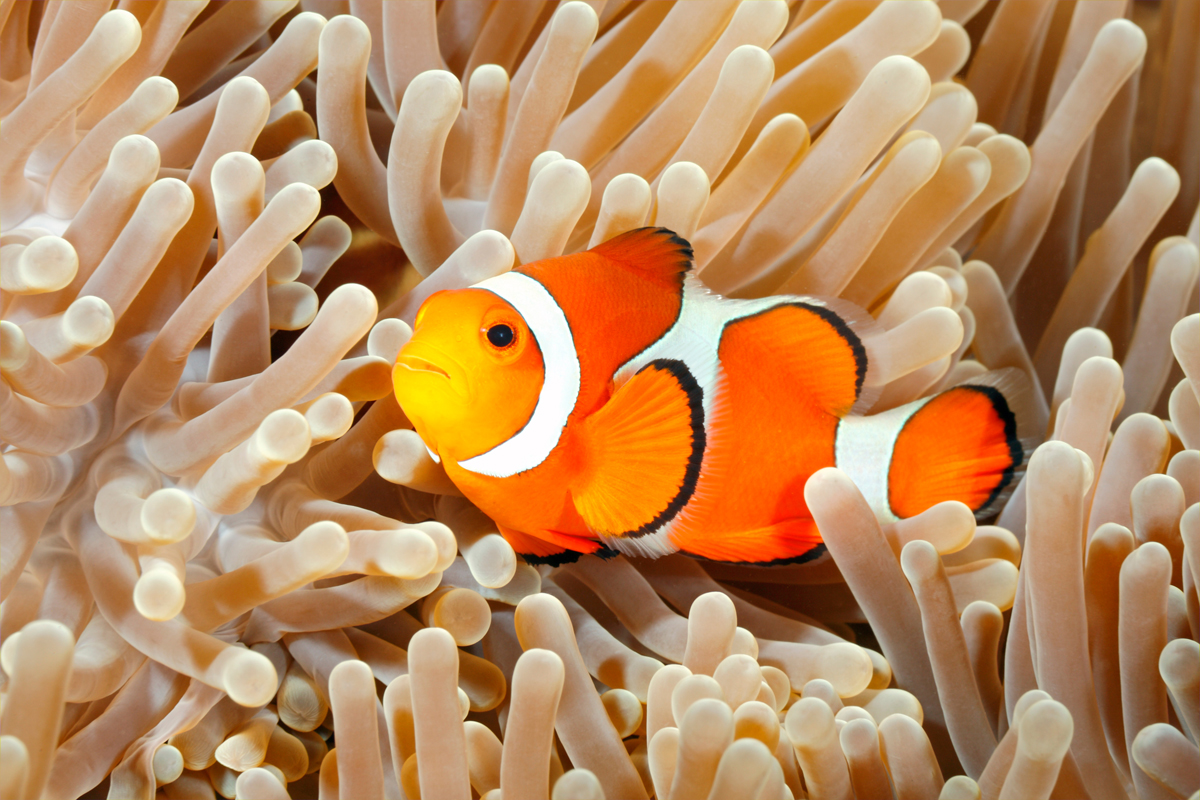
Every clownfish begins life as a male, but not every clownfish stays that way. Living among sea anemones, clownfish form strict social hierarchies led by a single, dominant breeding female. Just below her is the largest male, who serves as her mate, while the remaining males occupy lower ranks and do not reproduce.

If the breeding female dies, the social order shifts almost immediately. The dominant male undergoes a remarkable transformation, changing sex to become the new breeding female. Another male then moves up the ranks to become her mate. This strategy, known as sequential hermaphroditism, ensures the group can continue reproducing without waiting for a new female to arrive.

Cats Can’t Taste Sweetness

Image Credit: Wesley Fernandes/Unsplash.com

Cats have a reputation for being sweet on their own terms, but there’s one kind of sweetness they never experience. Unlike humans and most other mammals, cats can’t taste sweet flavors at all. Because their wild ancestors evolved as strict carnivores, detecting sugar from fruit or other carbohydrates wasn’t truly necessary. Over time, the gene responsible for producing one of the receptors needed to detect sweetness disappeared.

Cats also have far fewer taste buds than humans — around 500 compared to our 9,000. That doesn’t mean food is flavorless to them. They can still detect sour, salty, bitter, and umami, and may even enjoy foods we find surprisingly bland. So if your cat ignores a marshmallow but comes running for tuna, it’s simply tasting the world exactly as evolution intended.