Kellie is a writer and editorial strategist covering topics in travel, trivia, nature, and more. When she's not writing you can find her drinking Diet Coke.
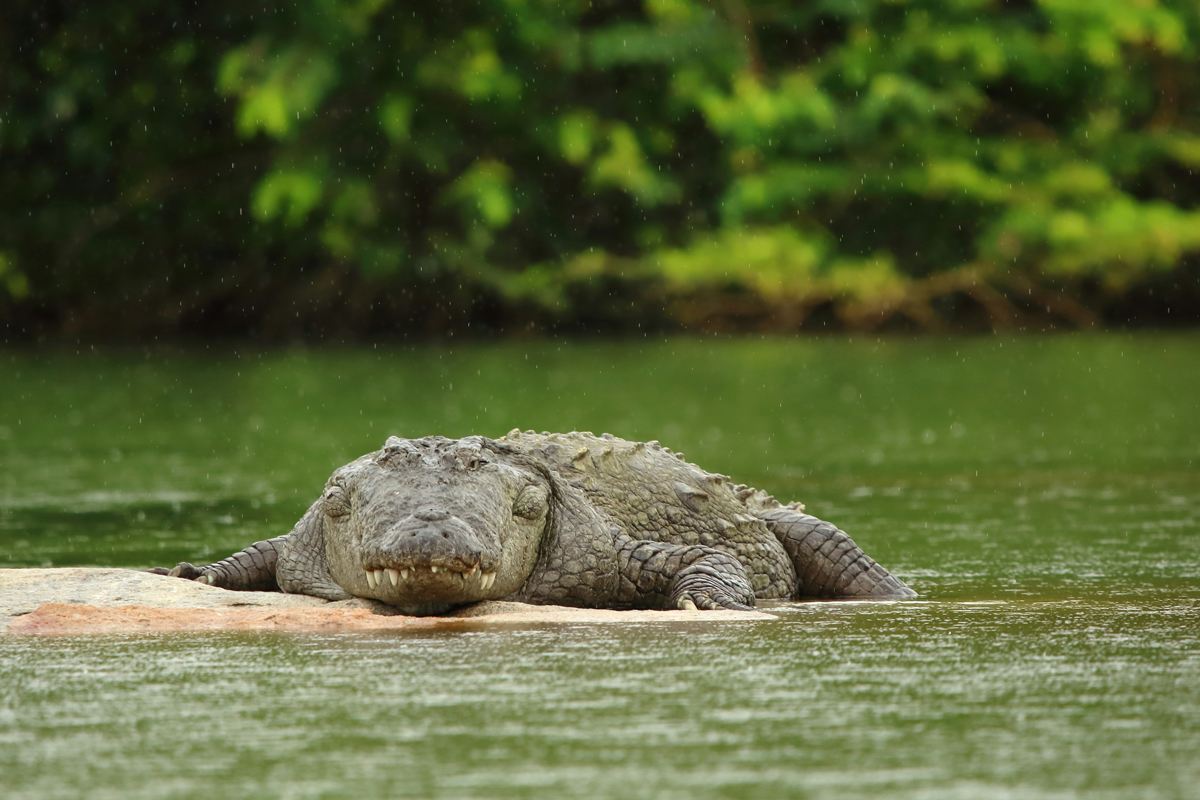
The scaly alligator is recognizable by its wide jaw and toothy grin, which, at any given time, is home to roughly 80 teeth. But just like humans, alligators shed those teeth and grow new ones — only they do it much more frequently than the average human. In fact, the average alligator can go through more than 2,000 teeth in its lifetime.
Alligators primarily use those teeth to chomp on prey, like fish, turtles, birds, and even small mammals. And, despite their many chompers, alligators don’t use their teeth to chew. Instead, they rip up their food and swallow in large chunks. Not the best table manners, but it gets the job done.
Advertisement
9 Animals That Navigate Without Sight
Across Species 25/06/26Jun. 25, 2026
Updated 25/06/26Jun. 25, 2026
Image Credit: William Warby/Unsplash.com
Krissy Howard
Author
Krissy Howard is a writer with a background in comedy, and a love for researching and writing about animal behavior. You can read some of her work at Cuteness, Byrdie, and The Hard Times. When she's not writing, she's growing food in the community garden, feeding stray cats, and learning Greek.
Many animals, including humans, rely on the five senses to get around. Touch, taste, smell, sound, and sight can all be used to navigate the world around us, but some animals either cannot or do not need to use their eyes to see exactly where they’re going. After all, how would one be expected to navigate the dark waters of the Mariana Trench, or the lightless corners of a packed honeycomb? Internal magnet receptors, extra-sensitive hairs, and huge nostrils are just some of the things these animals rely on to get around without their eyes.
Texas Blind Salamander
Image Credit: Brandy McKnight/Adobe Stock
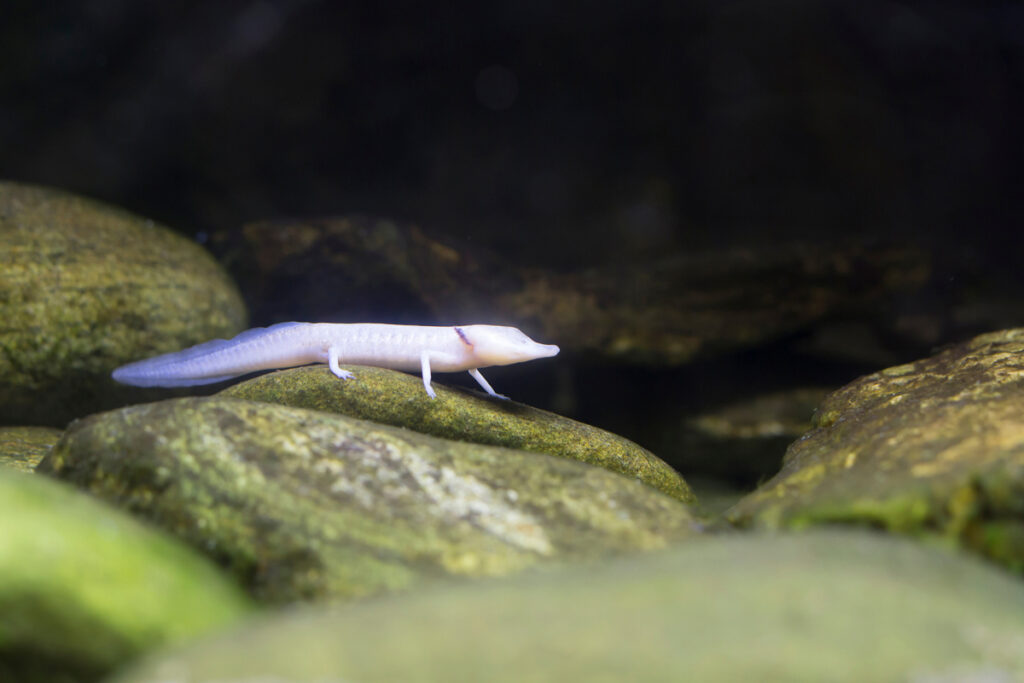
Found only in a small area in San Marcos, Texas, this aptly-named amphibian navigates the waters of the Edwards Aquifer without seeing a thing. While they do technically have eyes, they don’t use them at all, and couldn’t even if they wanted to. Resting under layers of skin and a vestigial optic nerve, two tiny black dots are barely visible to us, but don’t help these creatures get around or hunt, which they actually do quite well despite their lack of sight. Instead, they stay entirely submerged in water, shifting their heads from side to side to sense water pressure waves created by smaller animals that they prey upon.
Star-Nosed Mole
Image Credit: Stan/Adobe Stock
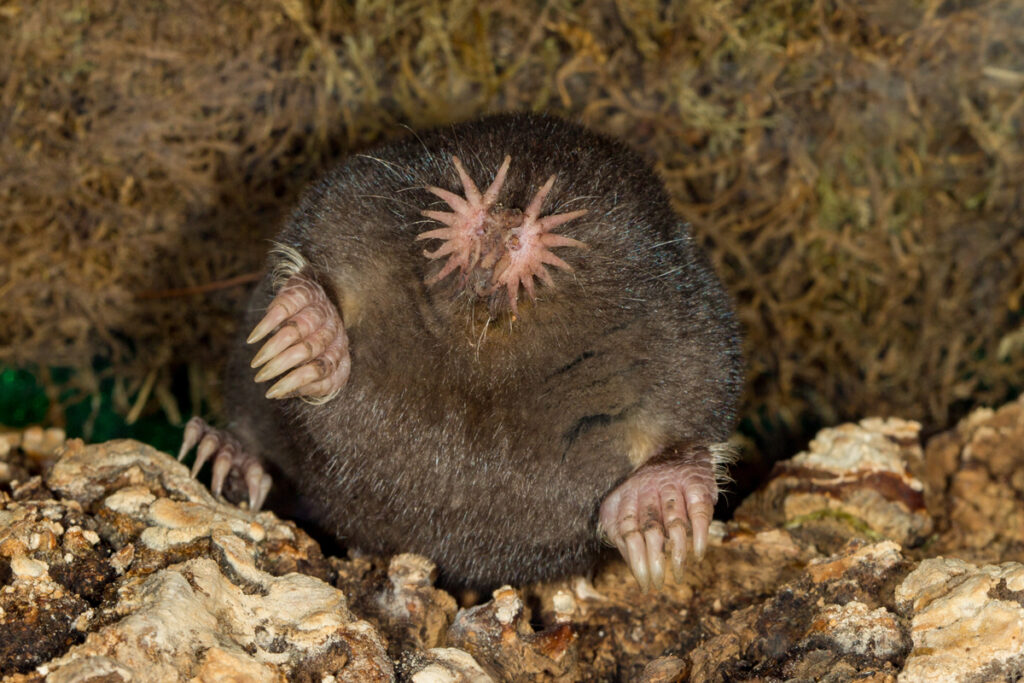
Practically blind but not totally, star-nosed moles rely on an unusual organ to help them get around: their noses. But these noses work differently than other animals. Unlike, say, dogs, who have around 300 million olfactory receptors to help them sniff out the world around them, the star-nosed mole’s nose is equipped with more nerve receptors than scent receptors. The 22 appendages on the end of their nose hold around 100,000 microscopic nerve fibers to help them feel the world around them, rather than see or smell.
Giant Blind Mole Rat
Image Credit: Nature Picture Library/Alamy
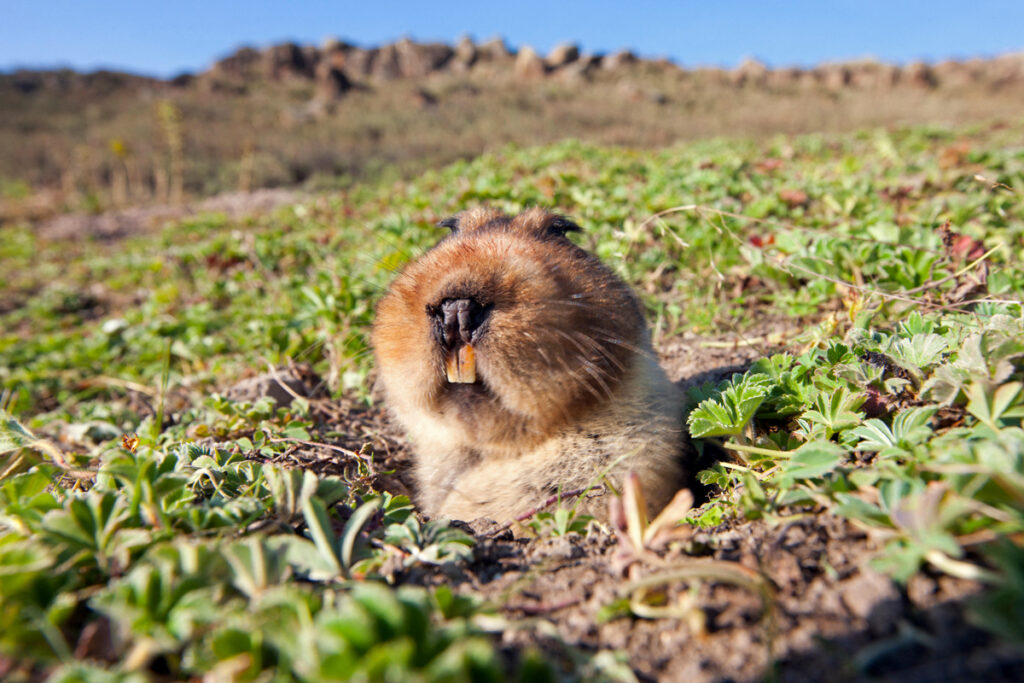
Unlike the star-nosed mole, which does have small but largely non-functioning eyes, the giant blind mole rat has no external eyes to speak of. Not only that, but their lack of external ears dampens another sense that could help them get around. Instead, these subterranean dwellers experience the world through vibrations and air currents, which are more easily picked up in underground tunnels than they would be in the above-ground world. Their paws and whiskers allow them to sense even the slightest movements, and their teeth are used to eat, dig, and feel everything around them. What makes these moles extra-special are their jaw bones, which use bone conduction to send vibrational signals to the brain, allowing the rodent to “hear” without the use of ears.
Kaua’i Cave Wolf Spider
Image Credit: MixPix/Alamy
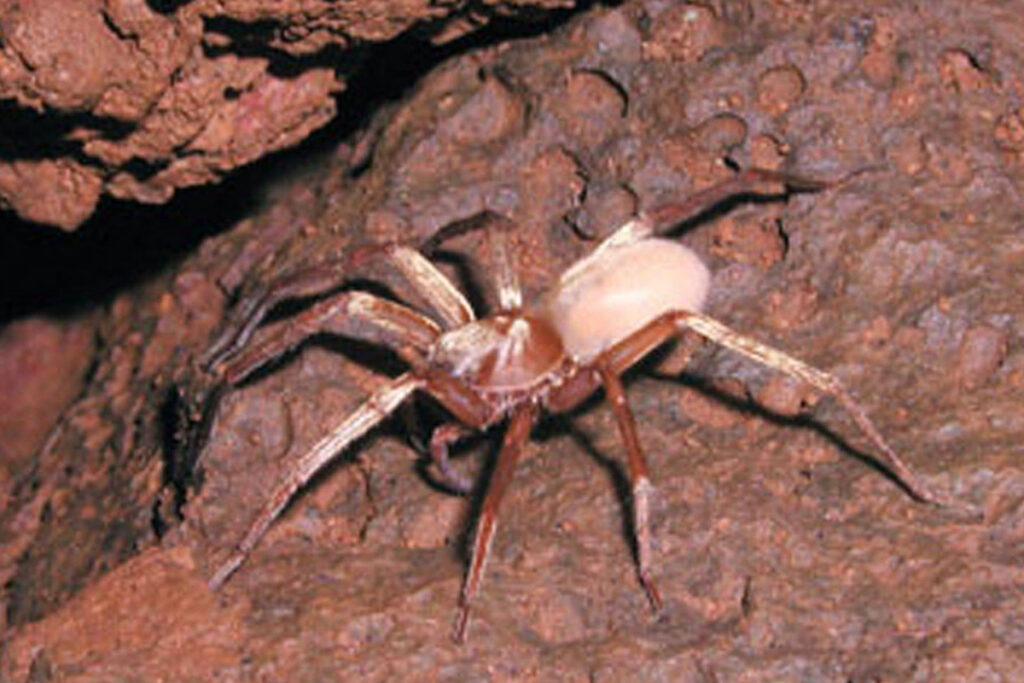
Found only in the Koloa Basin caves of Kauai, Hawaii, these sightless spiders are the only types of wolf spiders with no developed eyes at all. In order to seek safety, and meals, these spiders use their sense of touch and chemoreceptors to “see” what they seek. We all have chemoreceptors in our bodies, like the taste buds in our mouths and olfactory receptors in our noses. Kaua’i cave wolf spiders’ chemoreceptors take on the form of hairs on their legs and bodies, which touch the things around them, then send those signals to the brain where they’re converted into useful information, like “food over here” or “danger headed this way.”
Sinopoda Scurion
Image Credit: Xinhua/Alamy
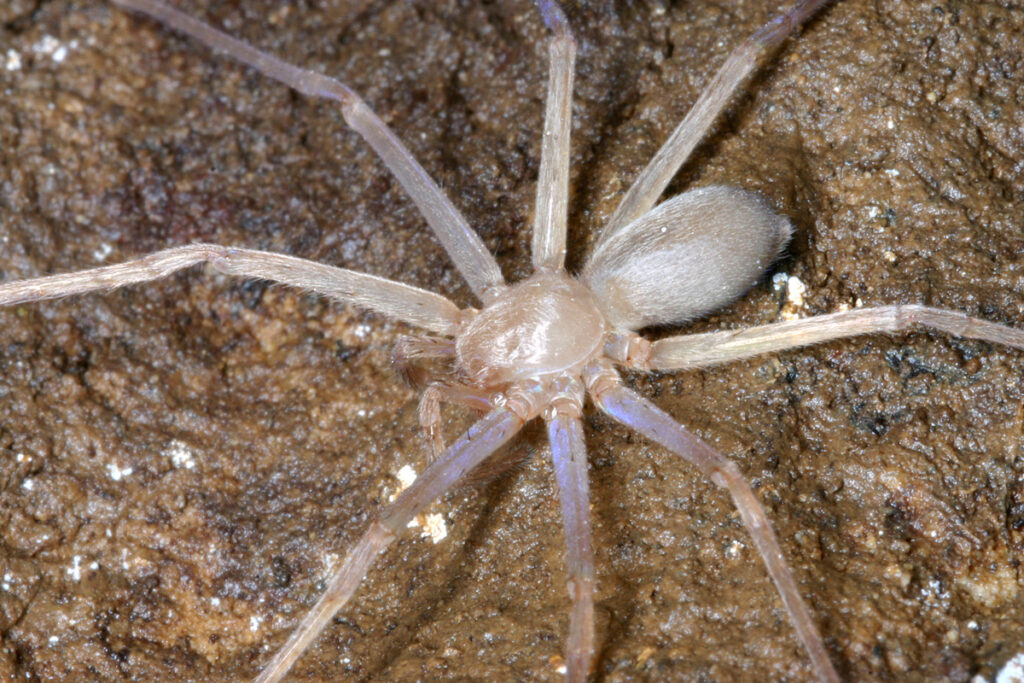
Another cave-dwelling spider, the Sinopoda scurion is of the Huntsman variety and can be found in the caves of Lao. Huntsman spiders are usually equipped with eight eyes, so this eyeless anomaly was a huge discovery back in 2012. But their dark, cavernous dwellings explain why this variety of spiders doesn’t have eyes: they simply don’t need them. The caves that they call home are devoid of sunlight 24/7, so rather than use ocular senses to get around, the Sinopoda scurion rely on vibrations, air flow, and thin chemoreceptive hairs on their bodies to find their way.
Brahminy Blind Snake
Image Credit: Ethan Ramirez/Adobe Stock
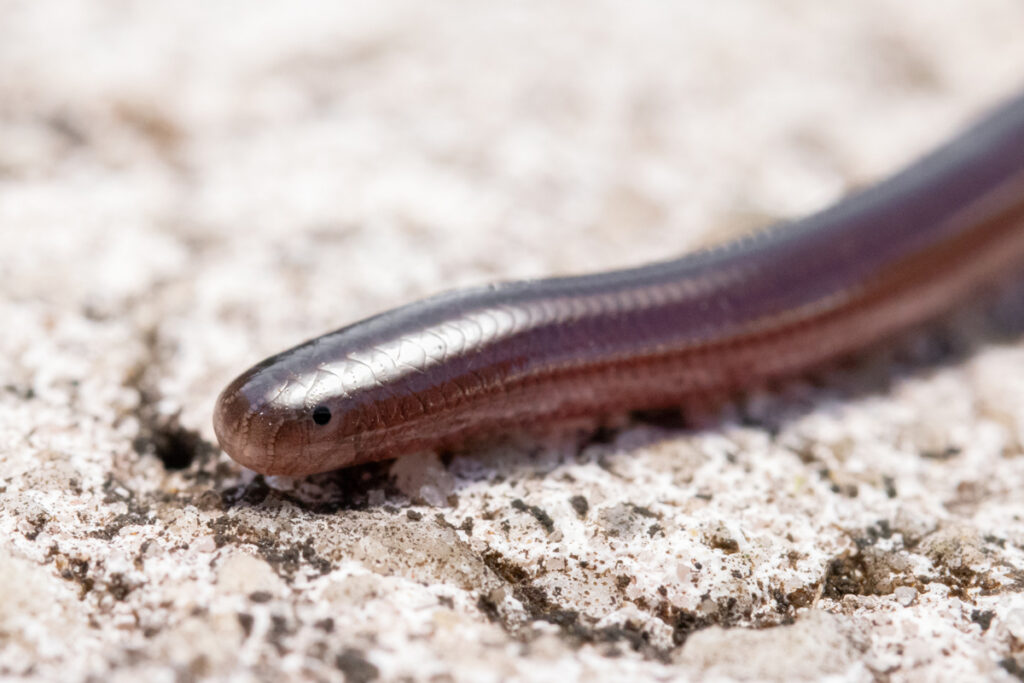
Native to Southeast Asia and recently discovered in Florida, these non-venomous, sightless serpents are often mistaken for earthworms, and for good reason. Their small size of, at most, six-and-a-half inches, their grey/brown color, and their total lack of eyes make them easy to mistake for a worm, but unlike worms, they do flick their tongues to get a sense of the world around them. Like all snakes, Brahminy blind snakes use vibration, touch, and smell via their forked tongues to find prey and safe spots to burrow. While they don’t have eyes in the typical sense, they do use two small black eye-like dots, or vestigial organs, to sense light, which helps them stay underground where they are safer.
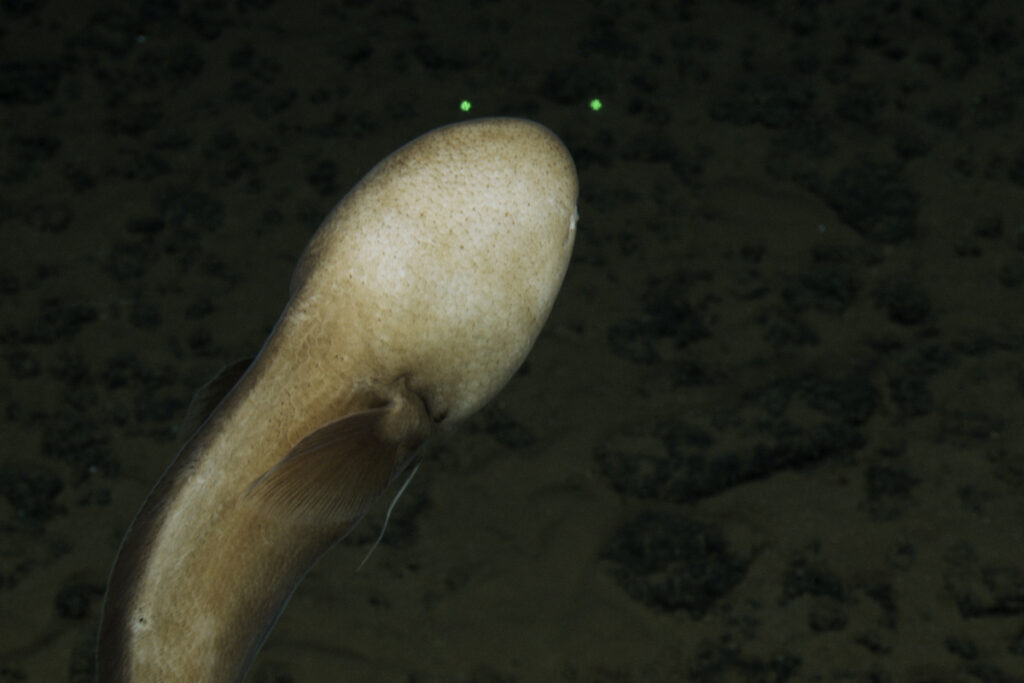
Faceless Fish
Image Credit: Ocean Exploration Trust, DeepSea
If there’s one place in the world where you’ll find animals who’ve had to adapt to low-light surroundings, it’s the deepest, darkest waters of the ocean. Sometimes called a Faceless cusk, or a Cusk eel, the Faceless fish has been found across the seas from the Arabian Sea to the Mariana Trench and waters surrounding Australia and Indonesia. Living up to five kilometers below sea level, Faceless fish are forced to adapt to freezing temperatures, intense water pressure, limited food sources, and lack of sunlight. To get by, these fish have developed large nostrils called nares, which help them pick up even the slightest chemical odors emitted by other sea creatures. Not only that, this cusk, like many fish, is also equipped with what’s called a “Lateral Line.” This is a sophisticated system made up of sensory organs, including neuromasts, which contain hair cells that help fish detect movement and vibrations in the water. This “sixth sense” allows them to locate potential prey nearby.
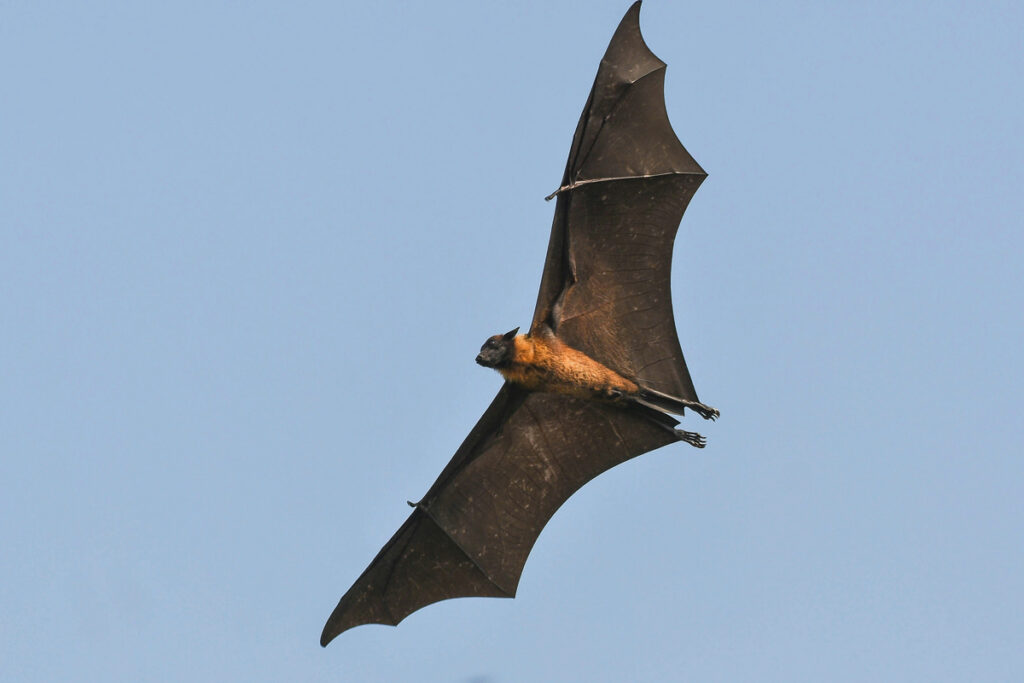
Bats
Image Credit: RAHUL DESHMUKH/Unsplash.com
Unlike some of the other animals on this list, bats do have eyes, and they definitely use them. They are still able to navigate without them, however, thanks to their built-in biological sonar, which helps them roam through dark caves and through the darkness of night. Called “echolocation,” bats use high-pitched squeaks from their mouths and noses to bounce ultrasound waves off of their surroundings. This creates a sort of invisible map, helping them fly without bumping into things, and spot food like mosquitos and mice.
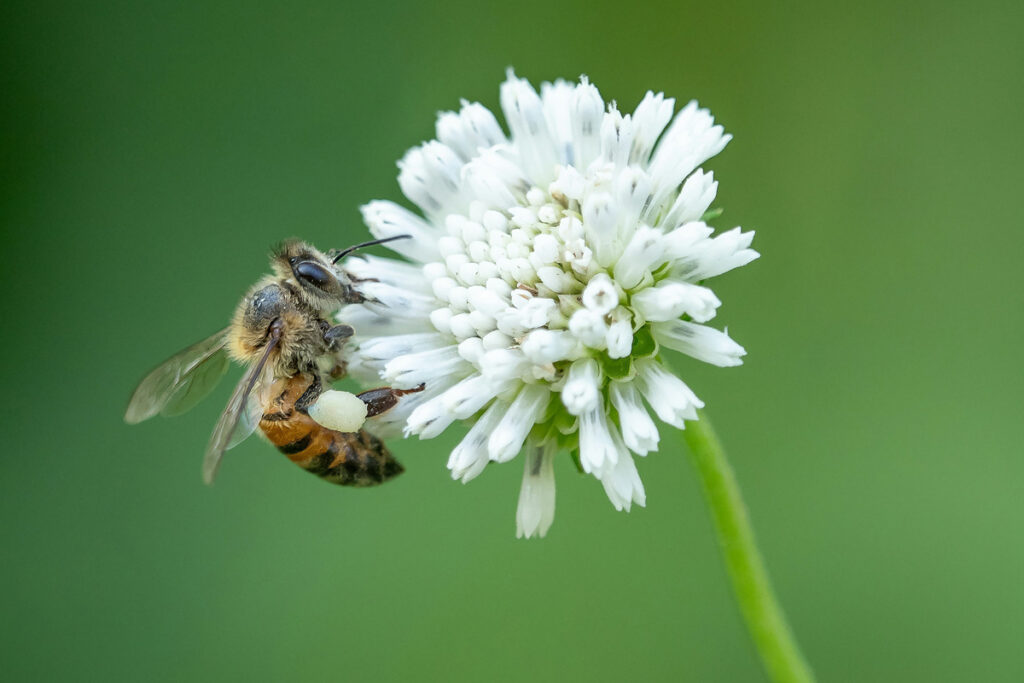
Bees
Image Credit: William Warby/Unsplash.com
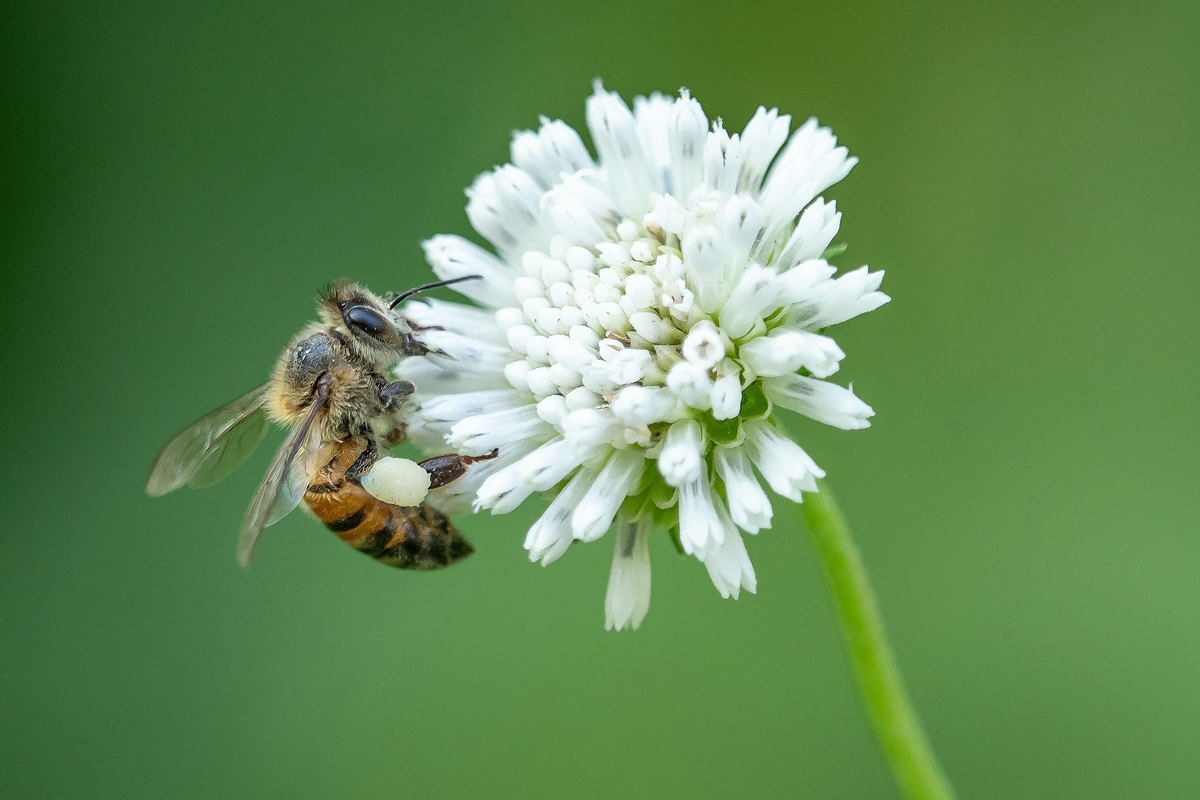
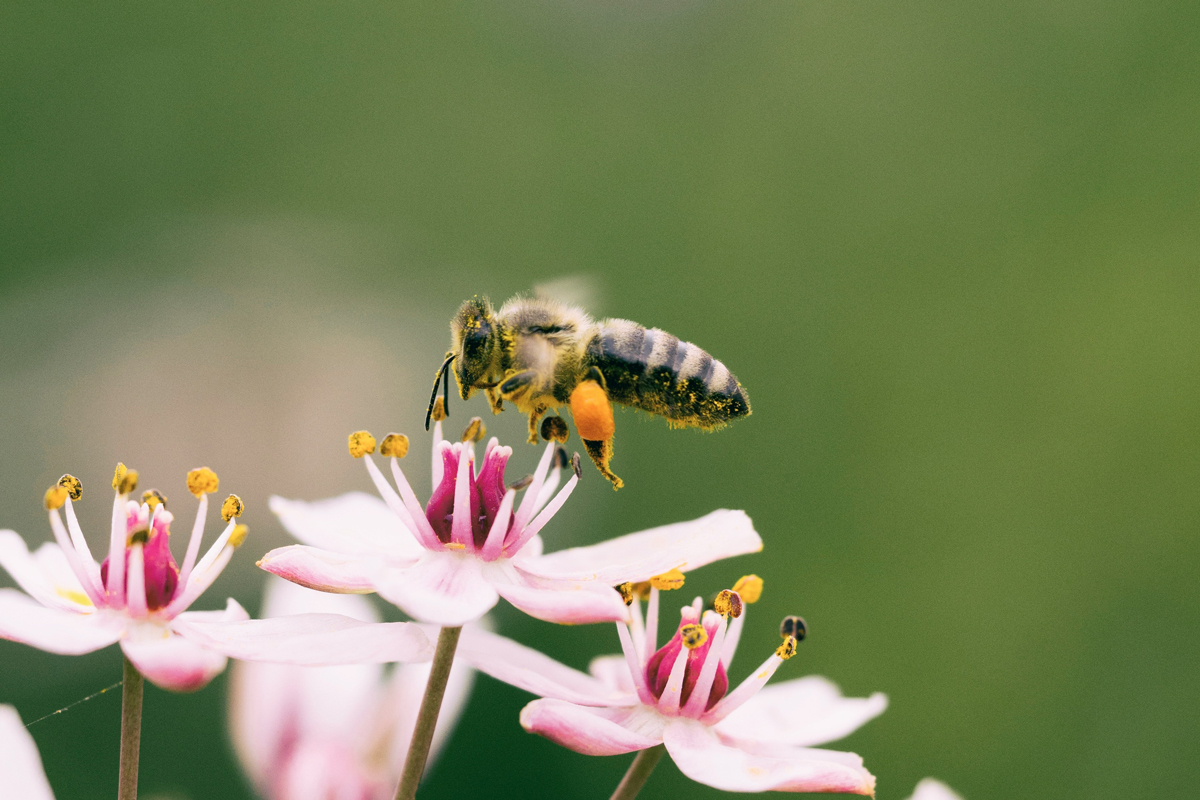
Another animal with perfectly functional eyes, bees rely on much more than just sight to complete all of that demanding work in front of them. Bees use magnet-based sensors containing tiny bits of iron to follow the magnetic fields of the Earth, and they’re far from the only ones that do it. Birds, butterflies, fish, sea turtles, all use magnetoreception to migrate. Green Sea turtles and salmon use this to reach the perfect place to lay their eggs, homing pigeons use it to build mental maps so they can return to their roost at the end of the day, and butterflies rely on the Earth’s magnets to fly south, where they can overwinter safely. Even dogs use magnetoreception to find the perfect spot to relieve themselves. If you’ve ever seen your dog circling to find the perfect spot to call a bathroom. Studies have shown that dogs circle to align themselves with the Earth’s magnetic field because, for some reason, they prefer positioning along the north/south axis to relieve themselves. Honeybees also prefer this north/south orientation to build their combs. Thanks to magnetic receptors in their abdomens, bees not only use the Earth’s poles to find their way back to the comb from a field of flowers, but they also use it to orient and work together to build honeycombs in pitch darkness. For an animal that does have, and needs, its eyes to navigate, this extrasensory method of perception helps them get around without only relying on their vision.
Advertisement
The Difference Between Flying and Gliding in Animals
Across Species 24/06/26Jun. 24, 2026
Updated 26/06/26Jun. 26, 2026
Image Credit: Aaron Burden/Unsplash.com
Nicole Villeneuve
Author
Nicole is a writer, editor, and researcher with over 15 years experience covering arts and culture, lifestyle, and media. Her work has also appeared in PureWow, Brit + Co, Exclaim, AUX TV, and CBC. She lives in Ontario, Canada.
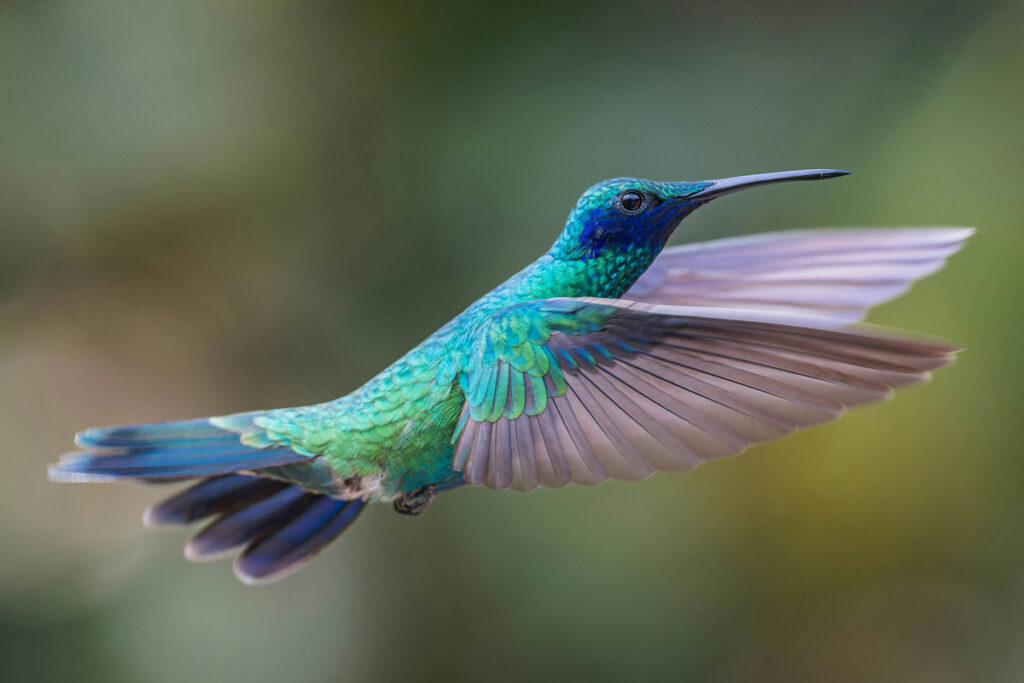
On any given day we can look up and all around to see birds and insects moving through the air. Bees buzz from flower to flower, hawks soar casting shadows from above, and hummingbirds flit around impossibly fast. But not every airborne animal technically flies — sometimes, they glide.
The distinction isn’t always obvious at first glance. For instance, a flying squirrel and a bird can both travel similar distances between trees, and a flying fish and a seabird can both take to the air from the water. But only one of these in each pair of animals is truly flying. So what is the difference between flying and gliding in animals?
Taking True Flight
Image Credit: Zdeněk Macháček/Unsplash.com
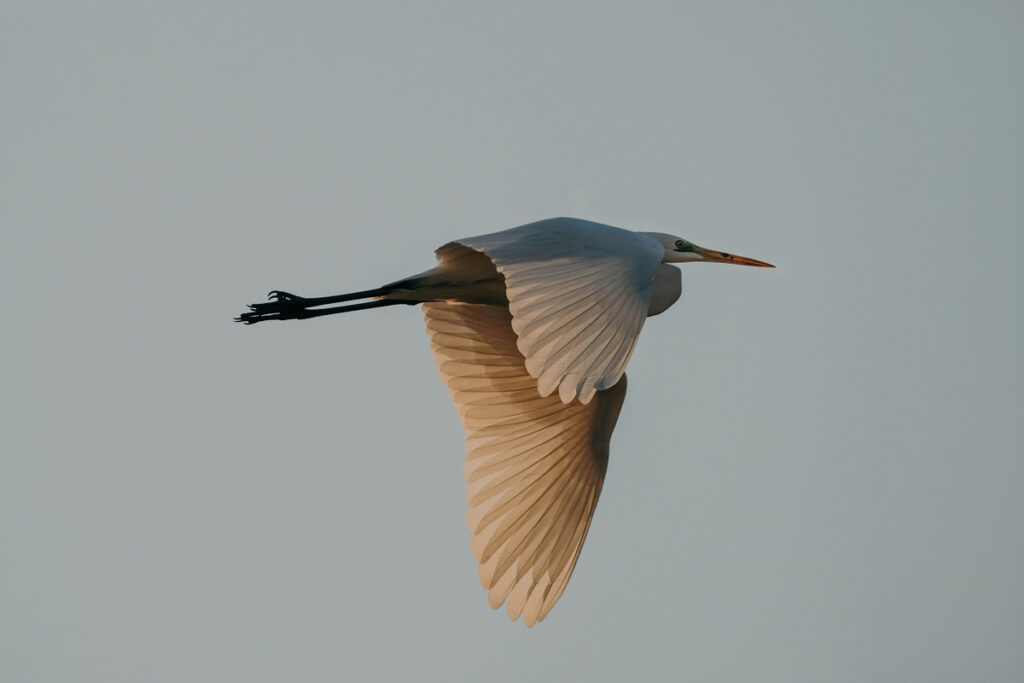
True flight is defined by one key feature: when an animal produces lift and thrust (or upward force and forward force) through continuous effort. Birds that fly are the most familiar example. Their flight is powered by powerful chest muscles — the pectoralis for the downstroke and the supracoracoideus for the upstroke. These muscles alone can make up to about 20 percent of a bird’s body weight. With every wingbeat, the muscles generate the lift and thrust needed to keep the animal airborne; even when a bird appears to be cruising effortlessly, that seemingly peaceful moment took a major amount of energy.
Bats are the only mammals capable of true flight, and they accomplish it much the same way as birds. Strong chest muscles largely power their movements, but they have a different wing structure than birds. Where birds have lightweight, fused bones and stiff, overlapping feathers that form streamlined wings, bats have thin membranes that stretch across elongated finger bones, allowing for finer control in flight.
Insects are also capable of true flight, but instead of a single pair of wings powered by large chest muscles, they use one or two pairs of wings. These are driven by muscles inside the thorax which then drive a complex marionette-like system at a hinge where the wing meets the body. The system works very well: the teensy midge, which has the fastest wingbeat in the insect world, flaps its wings at an astonishing rate of about 63,000 beats per minute. For many insects, flight happens in controlled bursts of movement rather than steady movements through the air.
In all cases, flight demands a lot of energy and requires a skeletal system capable of handling the stress of flying. The payoff, however, is a lovely coordinated control: True fliers can gain altitude, change direction, and remain airborne for a long time without needing outside forces such as wind or gravity.
Gliding and Gravity
Image Credit: Stan Tekiela Author/Naturalist—Wildlife Photographer/Getty Images
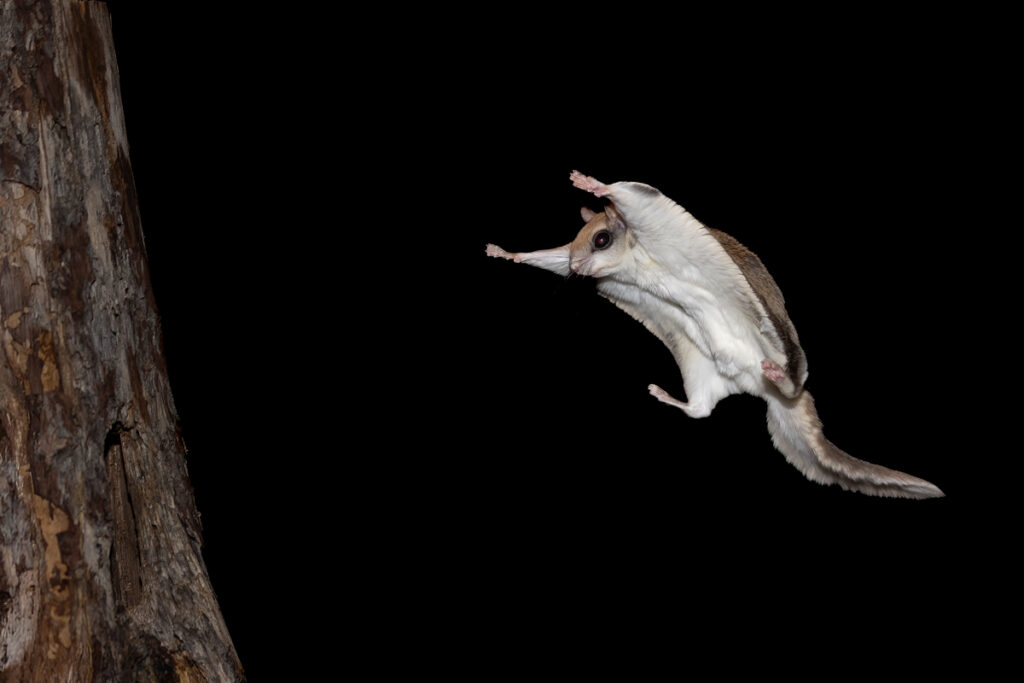
Powered flight is not the only way animals travel through the air. Gliding also allows animals to soar through the air, but it primarily relies on an initial leap from a height. From there on down, the animal is no longer able to gain altitude, so instead, it skillfully manages its descent.
Flying squirrels — one of the few ironically named animals who don’t technically fly at all — are a well-known example. When they leap from a tree, a membrane that’s stretched between their limbs expands. The increased surface area helps them slow their fall and steer toward another tree trunk. Some reptiles, such as Draco lizards (also known as flying dragons) also use membranes to glide between trees in Southeast Asian forests. Even certain frogs and ants have evolved some gliding skills, using enlarged webbing or flattened limbs to create limited airborne travel time.
And what about aerial movements that don’t quite fit neatly into either category? Take flying fish, for example. These long, lean marine creatures generate enough speed underwater to launch themselves up into the air. Once out of water — sometimes reaching as high as four feet — they spread their large pectoral fins and can glide approximately 655 feet across the water. They won’t flap their fins while gliding, but they will use their tail to help propel them forward and extend their airborne journey. It’s different than a glide from up high, but ultimately, is not true flight either.
Fundamentals of Flight
Image Credit: insung yoon/Unsplash.com
Animal flight evolved slowly over time. One leading idea is that it may have begun in tree-dwelling animals that first glided between branches; other ideas suggest flight started from the ground up, evolving from leaping and running. Evolution rarely does, of course, happen in clean lines; many species, whether they can truly fly or just glide, still use hybrid strategies shaped by their needs or environment (birds, of course, both fly and glide). The split between flying and gliding reflects different evolutionary solutions to the same problem: how to move efficiently through the spaces around us.
Advertisement
8 Animals Whose Babies Look Nothing Like Their Parents
Across Species 24/06/26Jun. 24, 2026
Updated 26/06/26Jun. 26, 2026
Image Credit: Ian Dyball/Adobe Stock
Nicole Villeneuve
Author
Nicole is a writer, editor, and researcher with over 15 years experience covering arts and culture, lifestyle, and media. Her work has also appeared in PureWow, Brit + Co, Exclaim, AUX TV, and CBC. She lives in Ontario, Canada.
In much of the animal kingdom, babies tend to resemble scaled-down, more adorable versions of their grownups. Lions have cubs that look like small lions, and deer fawns simply look like smaller deer. But in some species, development happens unexpectedly. Some offspring can start out looking quite different from their parents, and often this distinction serves as a tool for survival during vulnerable early stages. Here are eight animals whose babies begin life looking next to nothing like what they’ll grow up to become.
Ladybug
Image Credit: Arnaud Durrieu/Adobe Stock
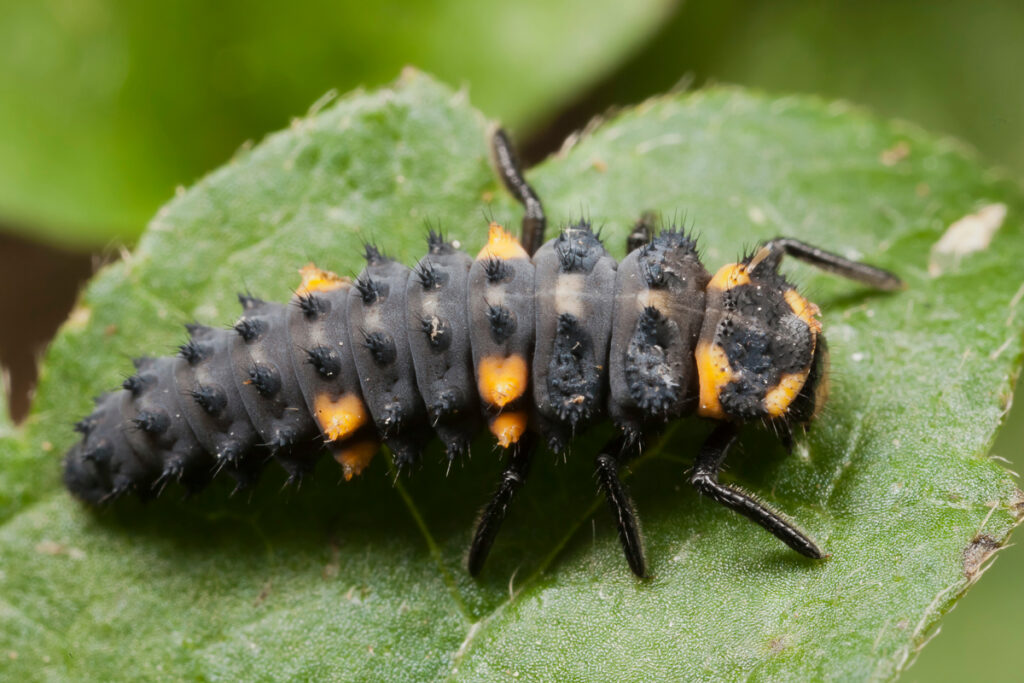
In its earliest days, a ladybug looks like a different insect entirely. The egg hatches into a larva that quickly develops into a long, dark, spiny form, moving across leaves more like a caterpillar than a beetle. Over the two weeks it takes to reach full size, the larvae consume around 400 aphids and shed their skin several times. At this point, they stop feeding and enter pupation, and about a week later, the adult ladybug emerges with the familiar domed shape and wing covers already in place. Though its exoskeleton remains soft and pale, it quickly hardens and darkens, reaching its final form over the next several hours.
Flamingo
Image Credit: Ian Dyball/Adobe Stock
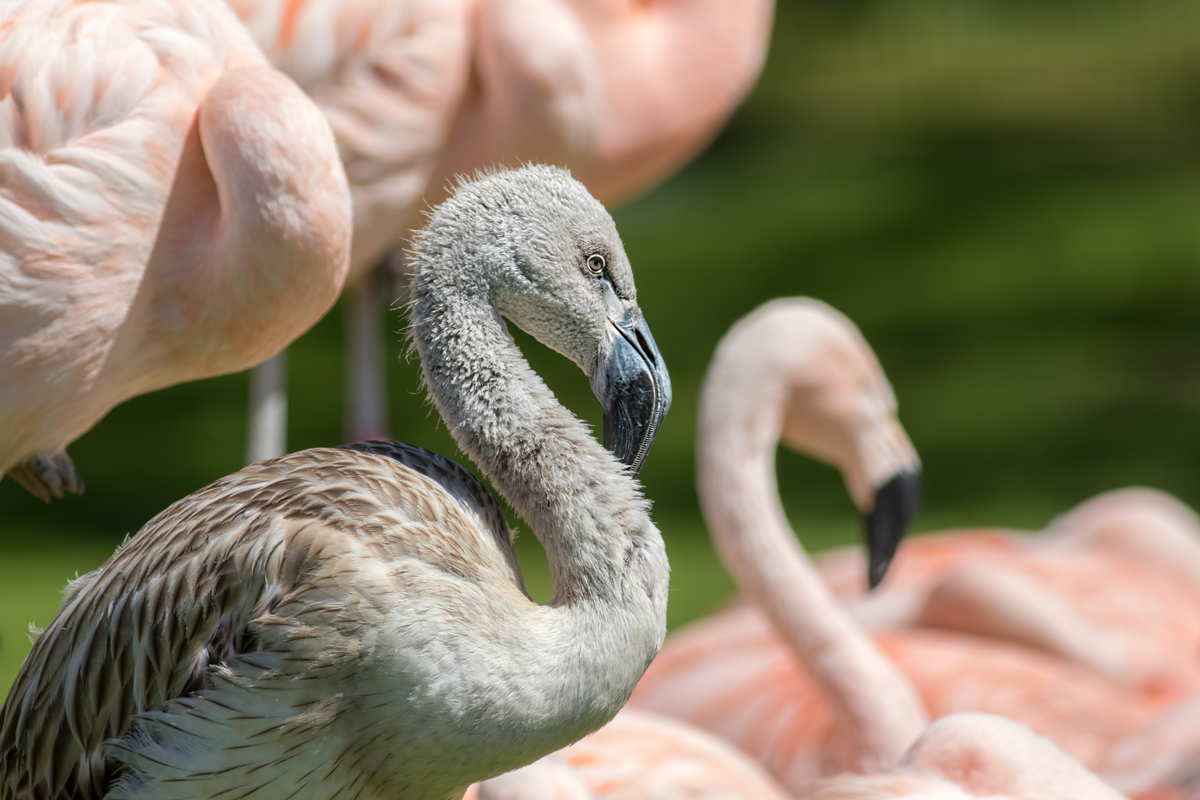
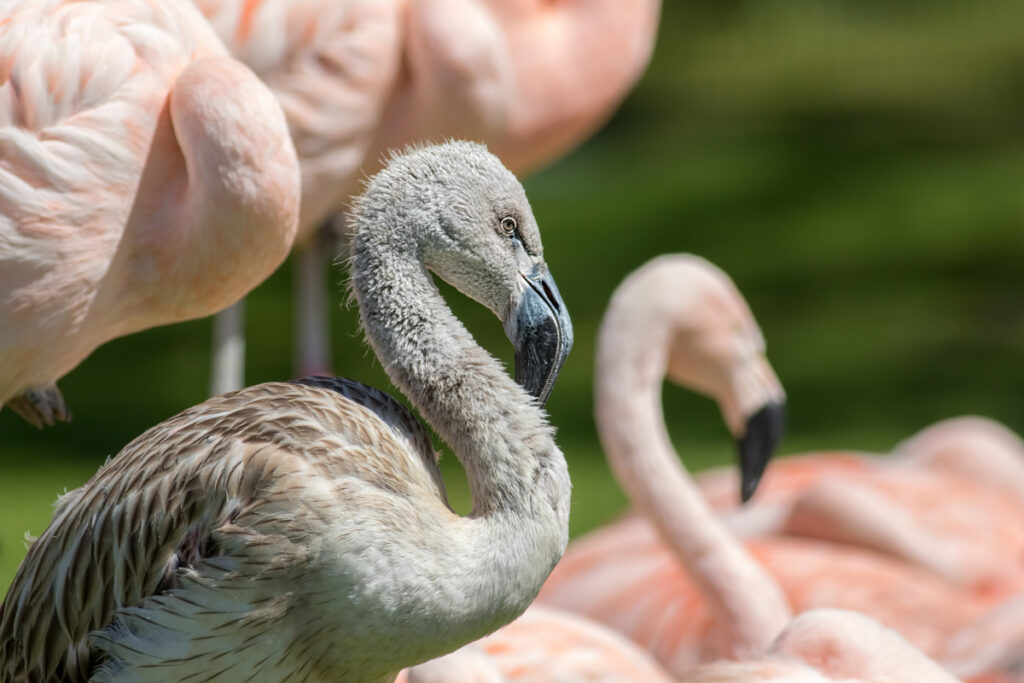
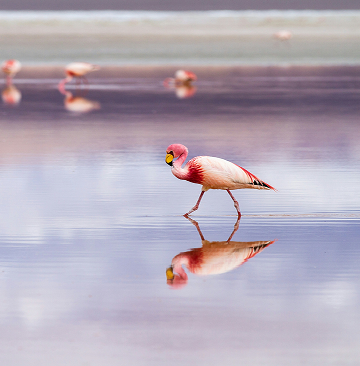
Flamingo chicks hatch covered in soft, grey down, with short, straight bills and compact proportions that bear little resemblance to the tall, flamboyant birds they will become. Within just 30 days, the chicks reach a height of about two feet tall; within three to six months, their size and beaks are almost on par with the adults. Their distinctive color comes a little more slowly: As they learn to fend for their own food, the carotenoids in the algae and small crustaceans from their diet will slowly tint their feathers pink within about two to three years.
Silvered Leaf Monkey
Image Credit: Joshua J. Cotten/ Unsplash.com
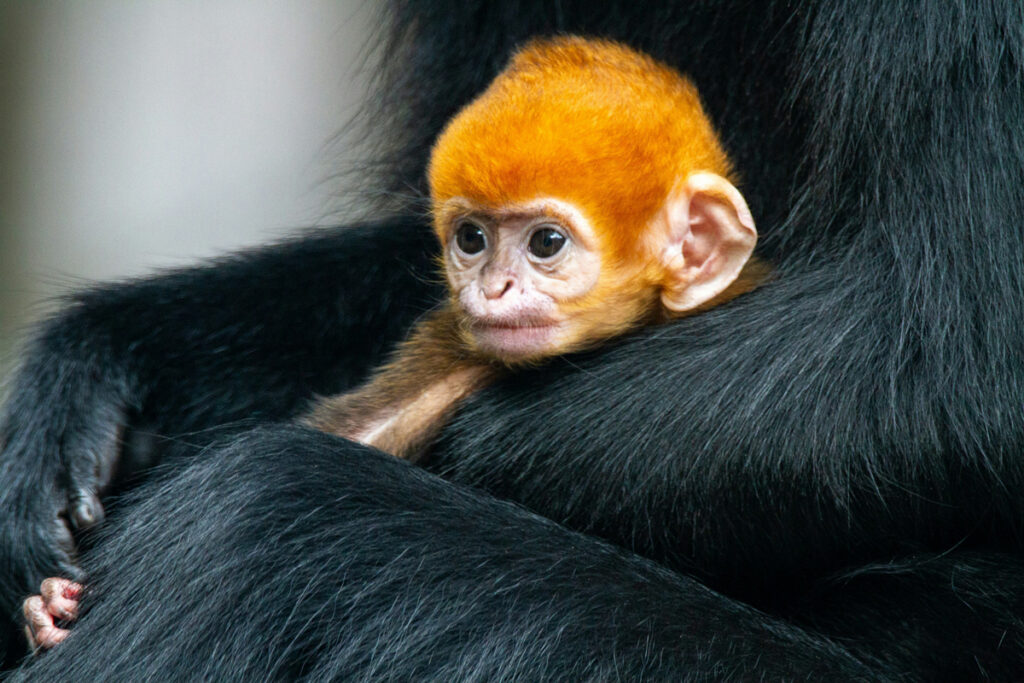
Silvered leaf monkey infants are born bright, golden orange, a stark contrast to the grey adults that take care of them. In their earliest weeks, they cling closely to their mothers; their high visibility ensures they don’t get lost in the dense forest canopy, as well as, surprisingly, shields them from predators, many of which are usually orange-green color blind. Within about six months, the orange coat gradually fades before settling into an adult’s grey.
Echidna
Image Credit: fieldofvision/Adobe Stock
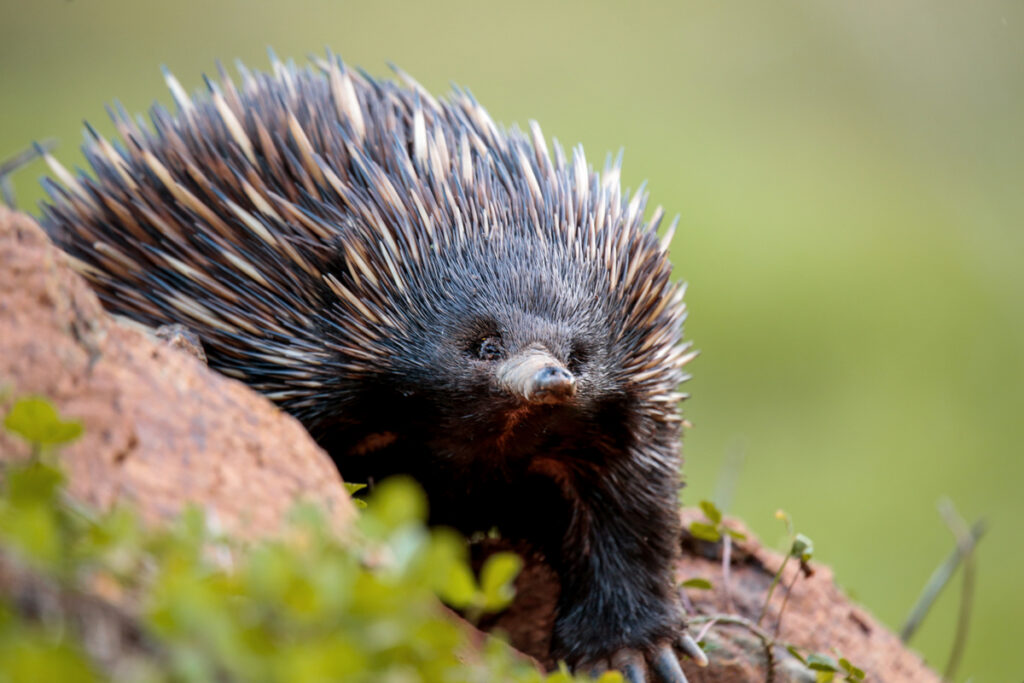
A baby echidna, known as a puggle, is born almost featureless, with none of the defensive mechanisms — its long hunting nose and coat of quills — that it will later need to survive. In fact, even a puggle’s eyes are barely developed, and its skin is hairless and almost translucent. Within about 100 days, puggles grow a generous coating of fur; at about five months, its distinctive nose lengthens and and small quills begin poking out of its fur, making good on its other name — spiny anteater.
Giant Panda
Image Credit: Xinhua News Agency/Getty Images
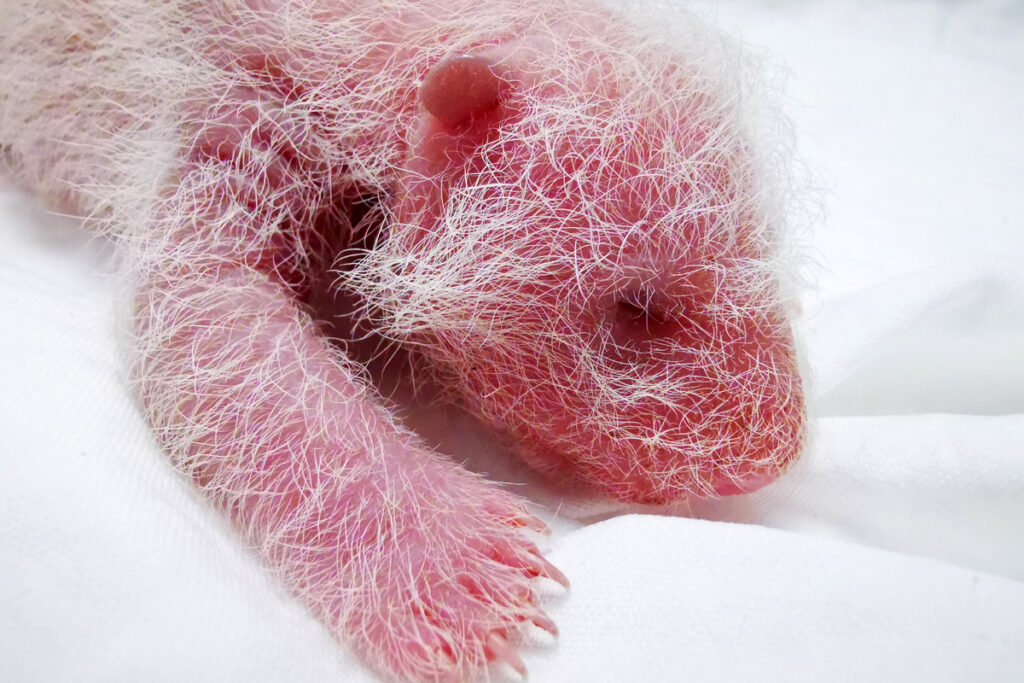
In the first weeks of life, a giant panda displays no sign of telltale black-and-white pattern. Instead the tiny cub is born pink, blind, and nearly hairless; at just three to five ounces in size, it could be any small animal to the untrained eye. For weeks, panda cubs are entirely dependent on their mothers for warmth, feeding, and protection. But changes happen quickly: Within the first 48 hours, fine white fur emerges, as black patches begin showing up on the body and around the eyes. By around three to four months, the fur is filled in completely, and the once-tiny cubs begin crawling and growing teeth.
Brazilian Tapir
Image Credit: ArtushFoto/Adobe Stock
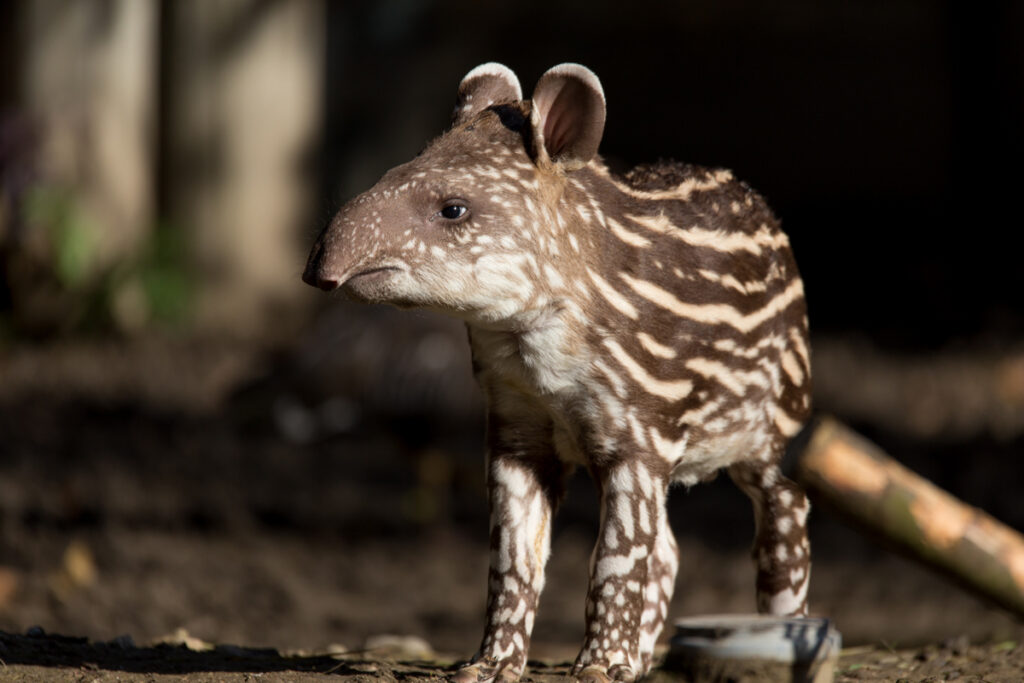
The early life of the Brazilian tapir is marked with a horizontal-striped coat, a busy look for an animal who grows up to have a plain, cropped fur coat. The calf’s white stripes and spots are meant to mimic dappled sunlight; this helps them blend in among the dense leafy shadows of its Southeast Asian forest home, protecting them from predators. Within about seven months, the pattern fades into a uniform dark coat suited to the wetlands and forest interiors it frequents.
Red Panda
Image Credit: AB Photography/Adobe Stock
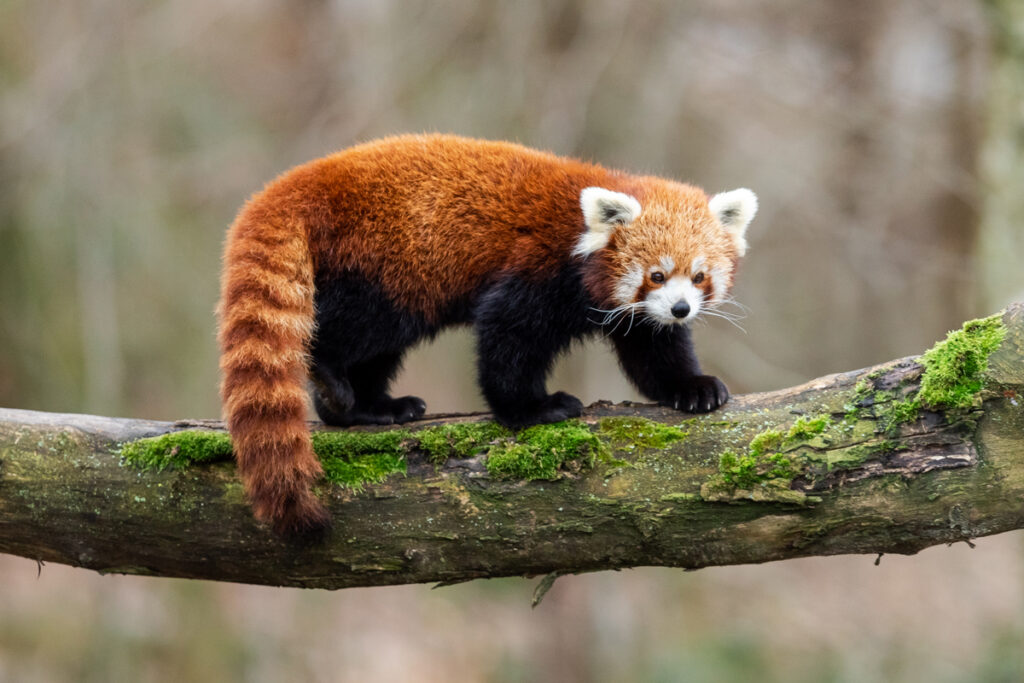
Red panda cubs are not born with their characteristic rust-colored coats. Instead, their early wooly fur is a pale grey, and their familiar facial markings are only faintly defined. The cubs remain hidden in nests of leaves and branches in Himalayan regions during their earliest weeks, relying on seclusion rather than camouflage for protection. But by about five months, as the cubs are able to venture out, their coat deepens in color and the red and white facial patterns solidify, helping them blend in with their habitat’s fir trees, where branches are coated in reddish-brown moss and white lichen.
Fennec Fox
Image Credit: Wirestock/Adobe Stock
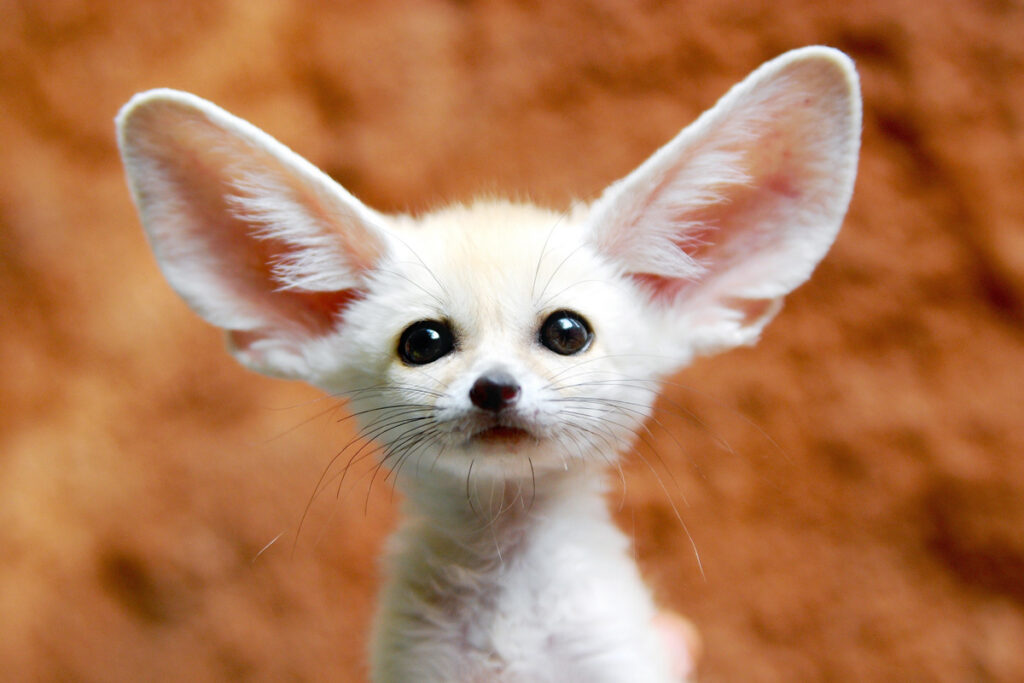
In the early stages of life, a fennec fox kit looks closer to a generic fox pup than a highly adapted desert native. The ears are folded and proportionally small compared to the adult’s unusually large set, and the coat begins much darker than the pale adult’s fur. As the kit grows, its ears expand to about twice their body size, helping not only to help hunt prey, but to dissipate heat. Its coat does the same, lightening in color to reflect the North African desert sun.
Advertisement
The Clever Ways Animals Avoid a Sunburn
Across Species 24/06/26Jun. 24, 2026
Updated 07/07/26Jul. 7, 2026
Image Credit: Jaimy de Hon/Unsplash.com
Mike Diaz
Author
Mike Diaz is a Los Angeles-based television writer/producer who got his start making docuseries for National Geographic. Most recently, he wrote for Magnum P.I. and NCIS: Hawai'i on CBS.
Sunburns seem like a uniquely human trait, but the sun’s ultraviolet (UV) radiation affects almost all animals, including marine life. While humans have UV-resistant clothing, shade structures, and sunscreen to protect us from burning, most creatures have built-in protection in the form of fur, scales, or feathers. But some creatures go above and beyond to cope with sun exposure, and have evolved defenses from chemical changes to behavioral adaptations.
Hippopotamus Blood Sweat
Image Credit: Getty Images/Unsplash.com
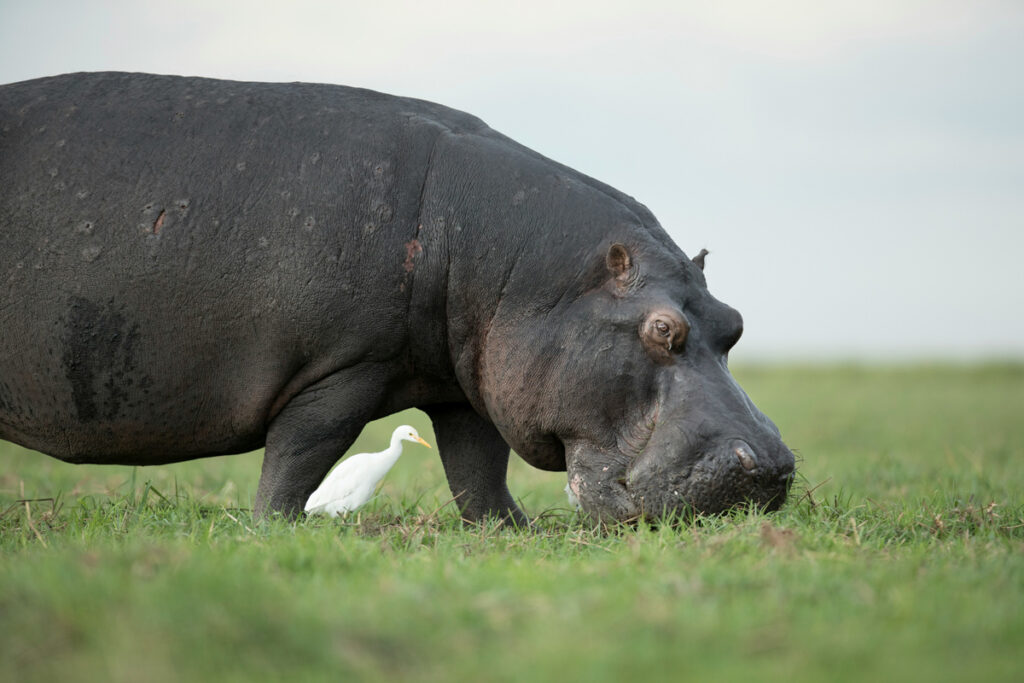
Widely considered the most dangerous animal in Africa, the hippopotamus is known for its massive jaws and temper. Impressive as they are, hippos have one weakness: extremely sensitive skin that is vulnerable to sunburns and drying. But they’ve evolved two methods of dealing with the harsh tropical sun.
The first adaptation is behavioral – hippos spend up to 16 hours a day submerged in water to avoid the sun, only emerging at night to graze. Contrary to popular belief, hippos can’t actually swim, which means they mostly stick to the shallowest parts of rivers and lakes to keep their heads above the surface. So why don’t their exposed heads get sunburned?
The first European explorers noticed that hippos secrete a reddish substance and called it “blood sweat.” The oily liquid isn’t sweat at all, but two distinct pigments. Hipposudoric acid is a red pigment that interacts with norhipposudoric acid, which is orange. Together, these fluids act as a natural ointment that simultaneously protects the hippo’s sensitive skin from UV rays and prevents waterlogging.
Giraffe Tongues
Image Credit: Slawek K/Unsplash.com
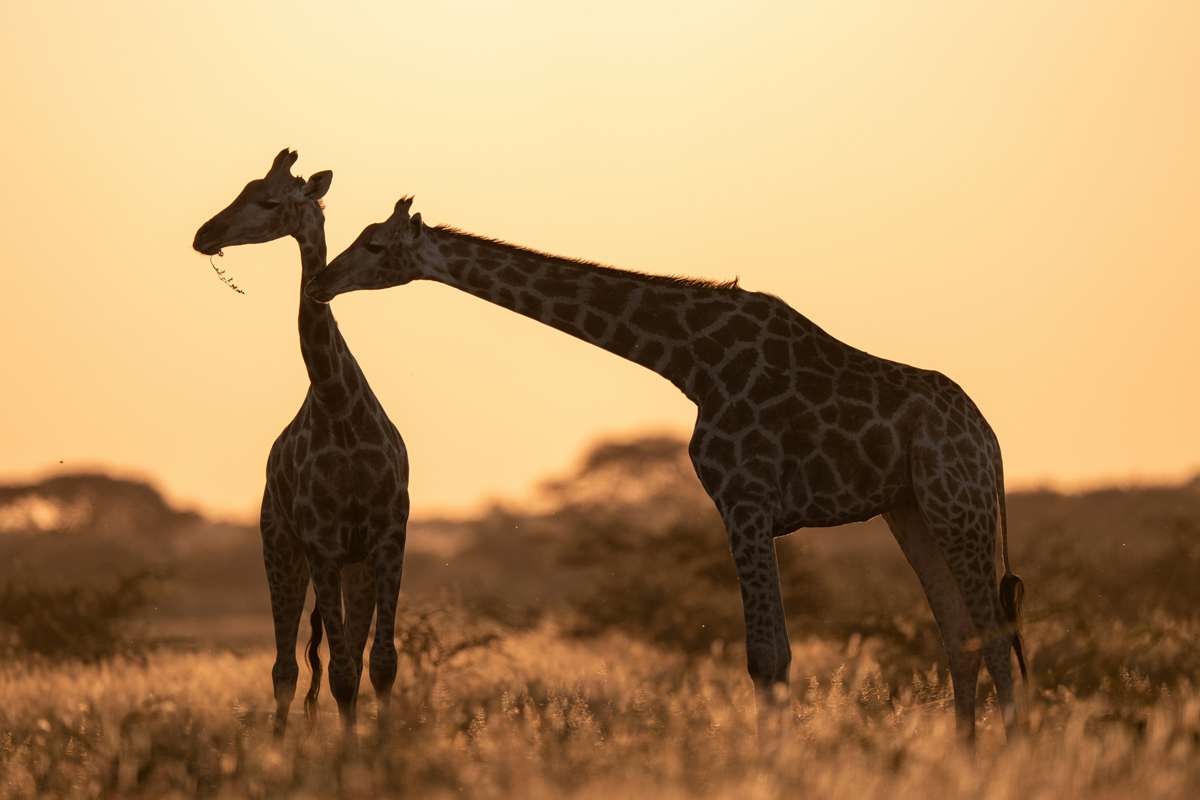
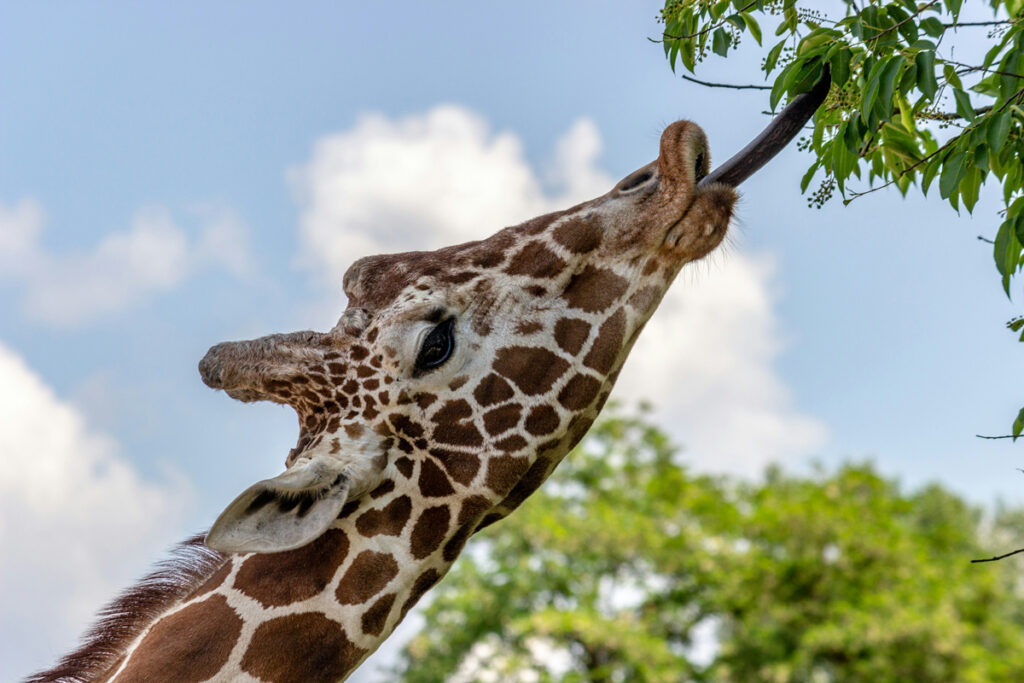
A giraffe’s long neck and reticulated pattern make them one of the most striking animals on the African savanna. They’re also known for their long, purple-black tongues, which can grow to 20 inches in length and evolved to reach the highest branches of acacia trees. Like many herbivores, giraffes spend most of their time feeding, exposing their tongues to the sun for 16 or more hours a day. But the extra melanin that gives a giraffe’s tongue its distinct purple color also drastically reduces the risk of sunburn.
Zebrafish Cellular Sunscreen
Image Credit: NERYX/Adobe Stock
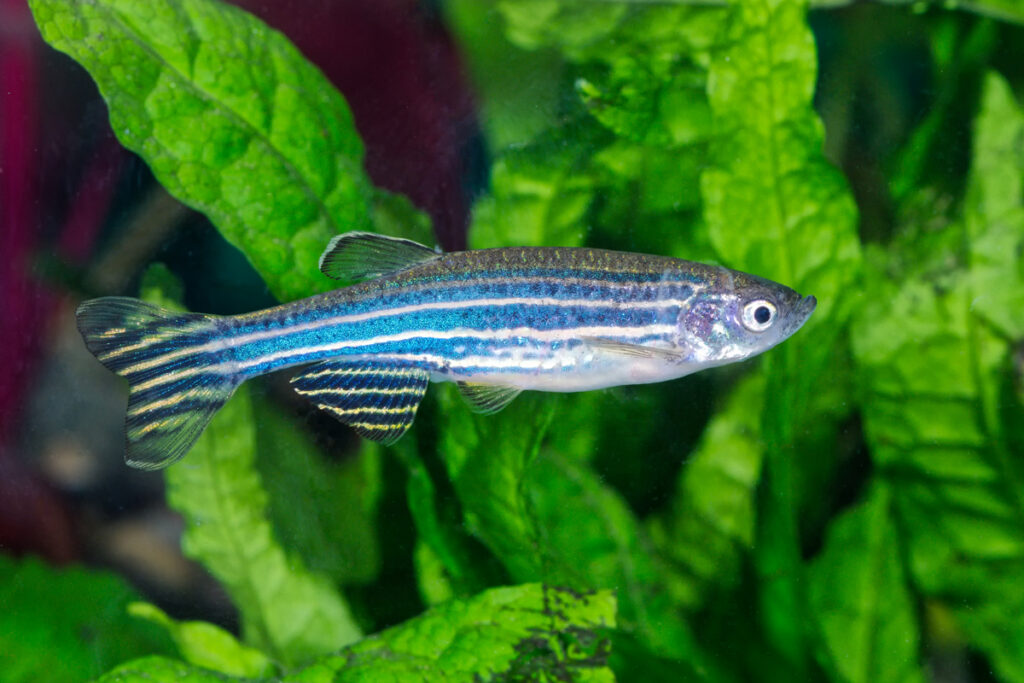
Zebrafish originated in freshwater streams of South Asia and are now popular aquarium pets. Being shallow swimmers, wild zebrafish are almost always exposed to harsh UV rays, yet they never burn thanks to gadusol, a natural compound deposited by mothers into their eggs that absorbs UV radiation, acting as a natural sunscreen.
Most vertebrates produce gadusol, including other fish, amphibians, reptiles, and birds. Unfortunately, mammals lack the gene, likely because our common ancestor was nocturnal. But researchers are studying gadusol in hopes of unlocking better modes of sun protection than standard chemical sunscreen.
Nature’s Sunscreen
Image Credit: Getty Images/Unsplash.com
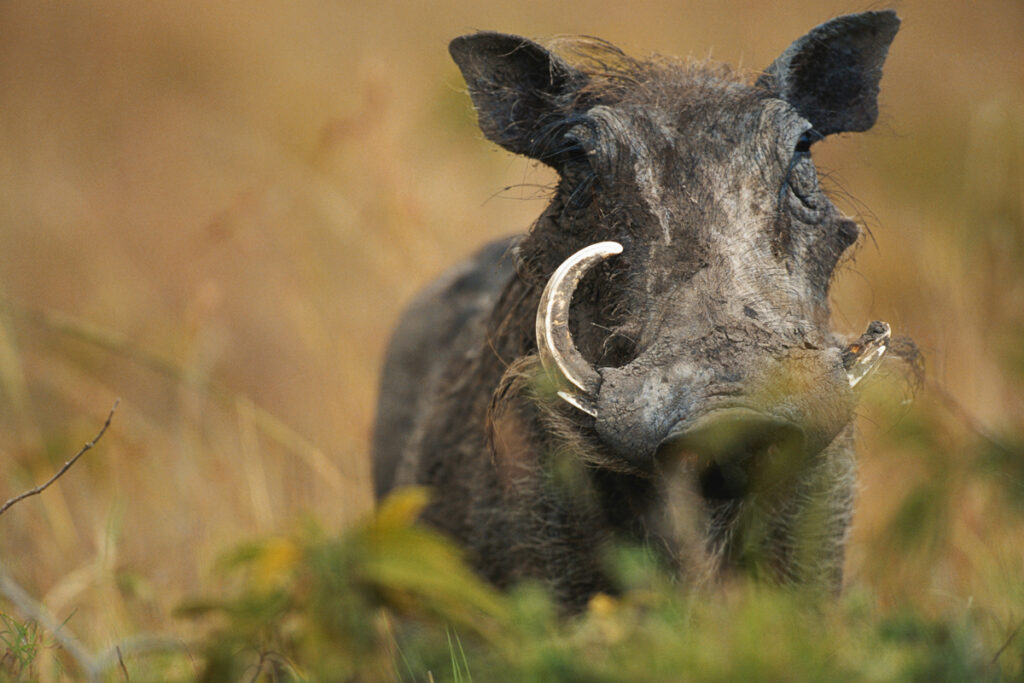
Like humans, domestic pigs and their wild boar cousins have marginal hair coverage, which means they are vulnerable to sunburns and heatstroke. Without physiological sun protection, they employ learned behaviors to combat harsh UV rays. A boar’s first line of defense is to simply avoid activity during the heat of the day.
But if they can’t find a shady place to rest, boars dig wallows near streams or other bodies of water. They use these shallow pits to cover themselves with mud, which acts as a natural sunscreen (in addition to many other benefits).
Boars aren’t the only animals to use dirt as sunscreen. Rhinoceroses also dig mud wallows, and elephants throw dirt on their backs for relief from the sun.
Tanning Whales
Image Credit: Todd Cravens/Unsplash.com
Humans share something big with the largest animal to ever live – we both tan. In a 2007 study in the Gulf of California, marine biologists discovered that blue whale skin darkens significantly during their months in the subtropics, before they migrate to the Arctic. Tanning in blue whales seems to work exactly as it does in humans, serving as a natural defense against UV rays.
Unfortunately, whales are also vulnerable to blistering sunburns. Like humans, prolonged sun exposure damages mitochondrial DNA in whale tissue, which can lead to melanoma.
Sharks and the Future of Sun Protection
Image Credit: Janos/Adobe Stock
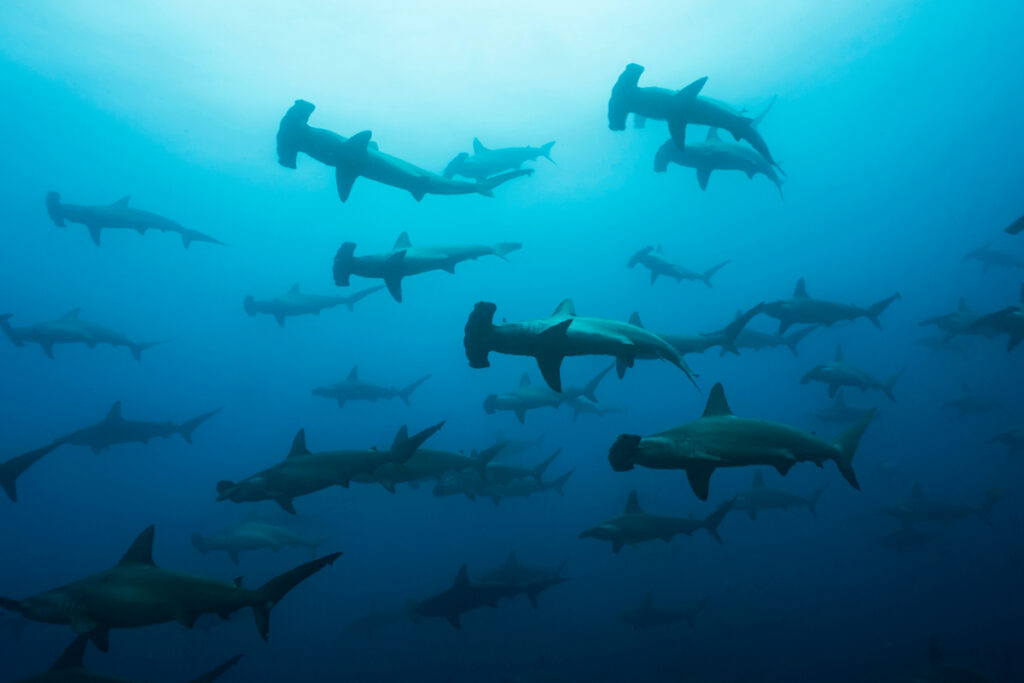
Whales aren’t the only sea creatures that tan – scalloped hammerhead sharks do, too. But unlike whales, these sharks don’t develop melanoma. Researchers have been studying shark skin’s resilience in hopes of one day finding a cure for skin cancer.
Until then, remember to apply broad-spectrum sunscreen with an SPF rating of 30 or higher, every day.
Advertisement
7 Animals That Migrate Much Farther Than You Think
Across Species 24/06/26Jun. 24, 2026
Updated 26/06/26Jun. 26, 2026
Image Credit: Narupon/Adobe Stock
Nicole Villeneuve
Author
Nicole is a writer, editor, and researcher with over 15 years experience covering arts and culture, lifestyle, and media. Her work has also appeared in PureWow, Brit + Co, Exclaim, AUX TV, and CBC. She lives in Ontario, Canada.
Migration is a familiar part of the animal experience, and it seems fairly straightforward: leave when conditions become untenable and return when they improve. But migration requires precise timing, major physical endurance, and navigational know-how that scientists are still working to understand. For some animals, the journey spans oceans, hemispheres, and even multiple generations. Here are seven animals with migration journeys that are farther than you may have expected.
Monarch Butterfly
Image Credit: Amy Hepworth/Unsplash.com
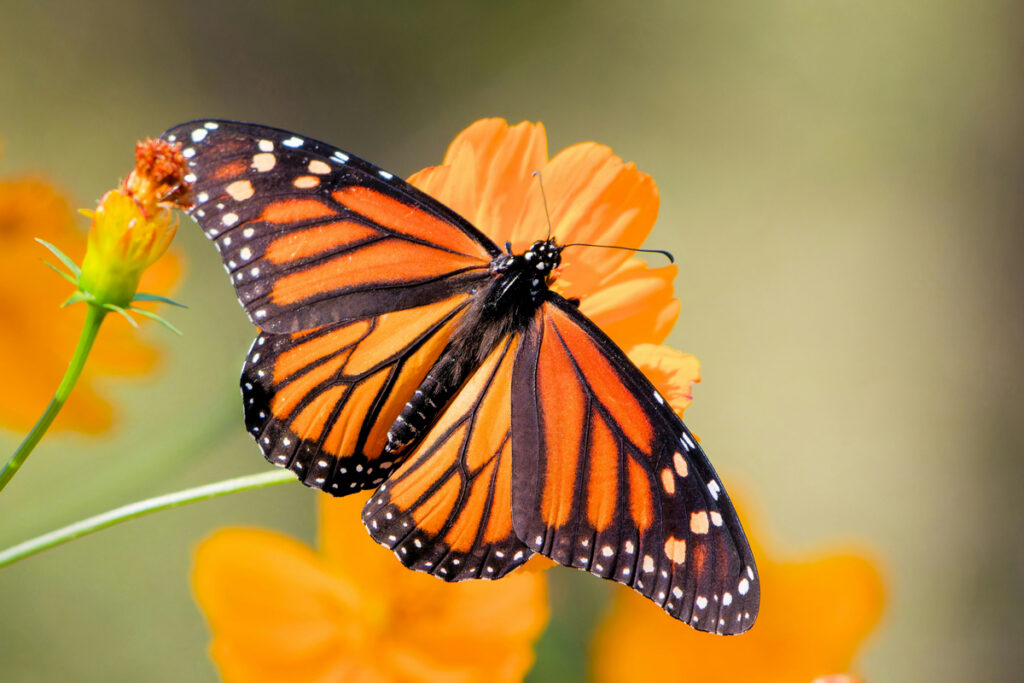
Every fall, millions of monarch butterflies leave Canada and the northern United States to overwinter in the mountains of central Mexico, a journey that can exceed 3,000 miles. When spring arrives, the monarchs move north again, reproducing along the way so that each generation advances the journey a little farther. By summer, the butterflies in northern breeding grounds are several generations removed from those that left Mexico months earlier. Most live only two to six weeks, but the final late-season generation can survive up to nine months, long enough to travel south, overwinter, and restart the cycle the following year.
Arctic Tern
Image Credit: Christoph Nolte/Unsplash.com
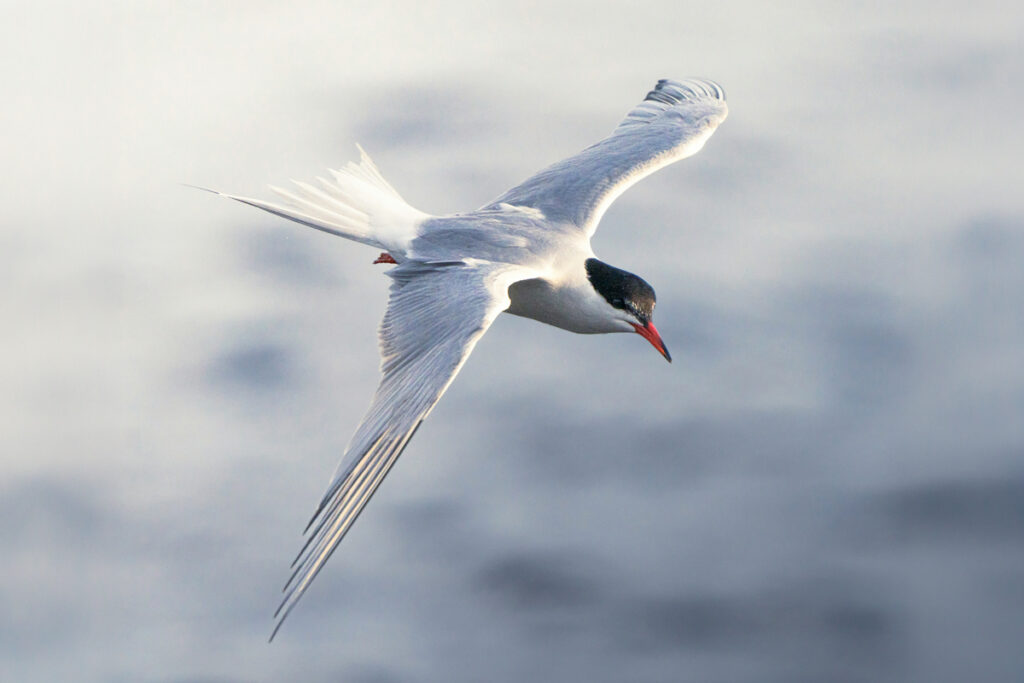
Each year, Arctic terns travel roughly 44,000 miles as they zig-zag between their Arctic breeding grounds and Antarctic waters. The small, gull-like sea birds breed in the far north during the brief Arctic summer, then set off down the Atlantic. In 2016, one tracked arctic tern logged a total of just under 60,000 miles on its journey. These sunchasers might just see more daylight than any other animal, effectively following summer from pole to pole.
Globe Skimmer Dragonfly
Image Credit: Narupon/Adobe Stock
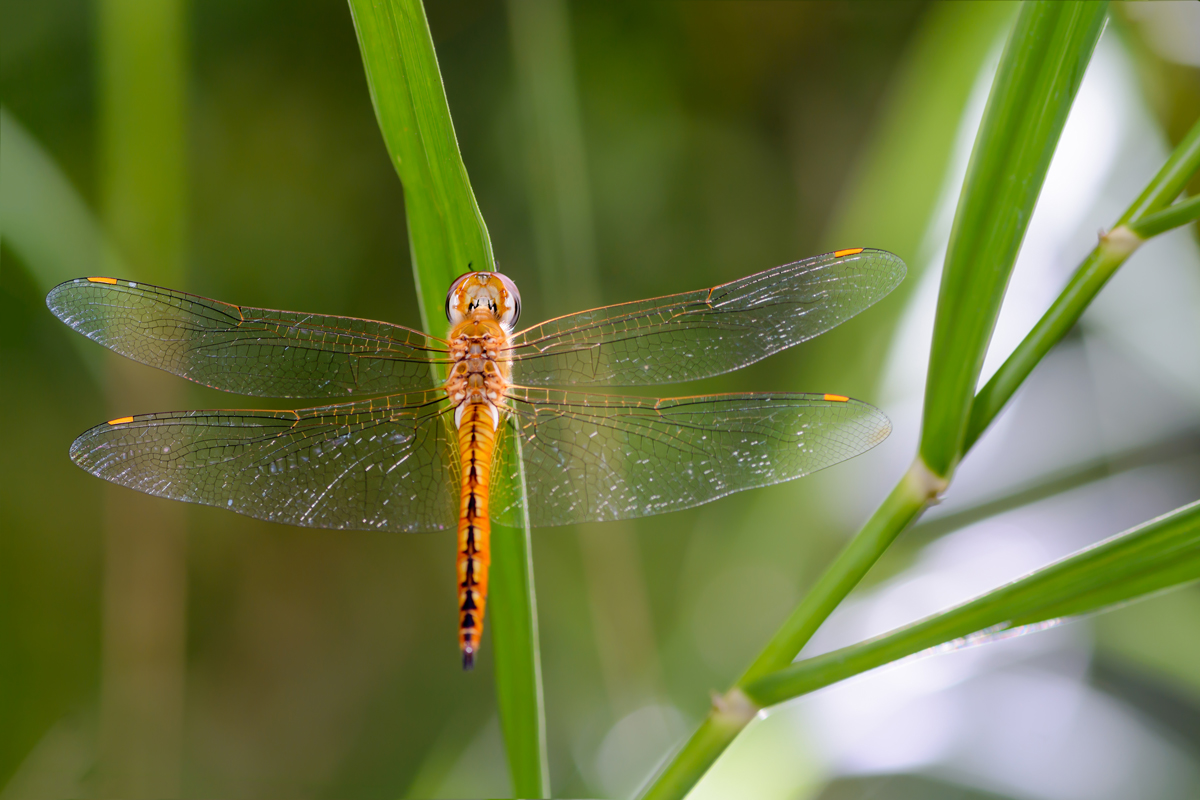
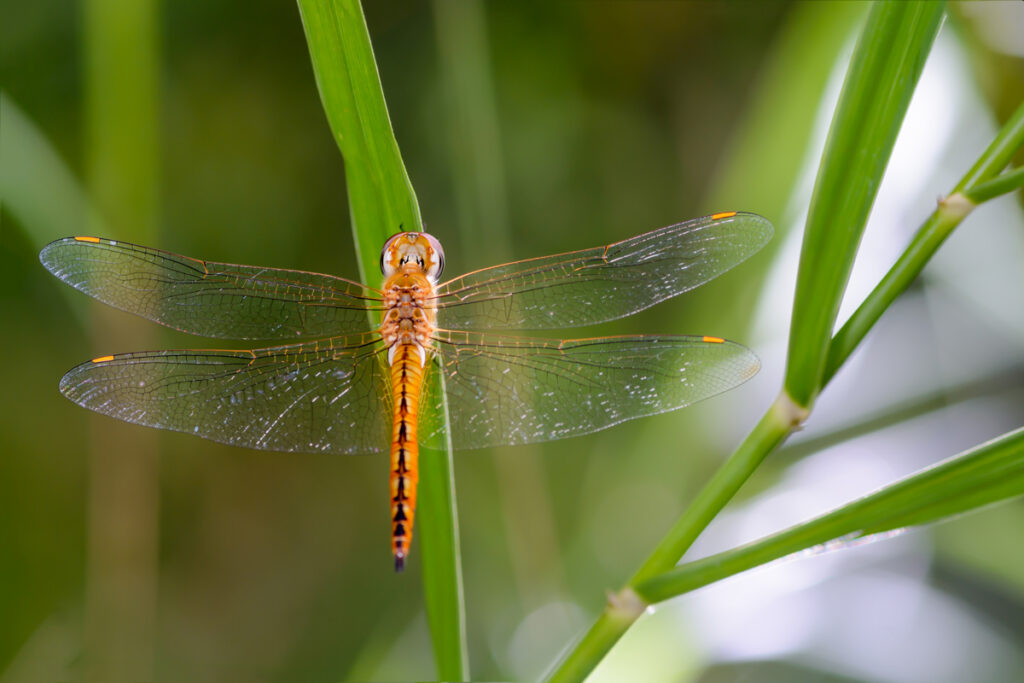
One of the longest-known migrations in the insect world belongs to the globe skimmer dragonfly. Their journey traverses about 11,000 miles between India and East Africa, primarily across the Indian Ocean. Parts of the route are done in lengthy sustained flight; individual legs of the trip by this two-inch-long insect are thought to stretch more than 3,000 miles without any stops. The full circuit is only possible with strong seasonal tailwinds and is completed across multiple generations rather than by a single individual dragonfly.
American Eel
Image Credit: Simon/Adobe Stock
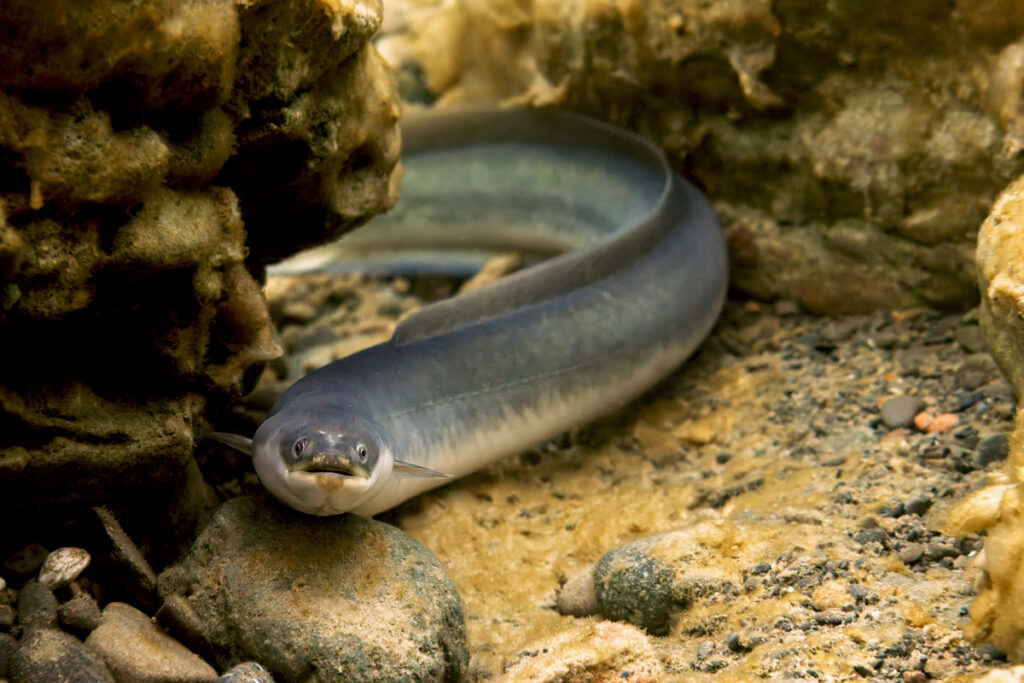
American eels begin life far from the freshwater rivers they end up in, in the Sargasso Sea in the North Atlantic. After hatching, their larvae drift for months on the Gulf Stream toward North America, where they grow for decades. When fully mature, they undergo a transformation known as silvering, reaching reproductive maturity and increasing fat stores to begin a return migration of up to 4,000 miles back to the Sargasso Sea to spawn.
Caribou
Image Credit: Sébastien Goldberg/Unsplash.com
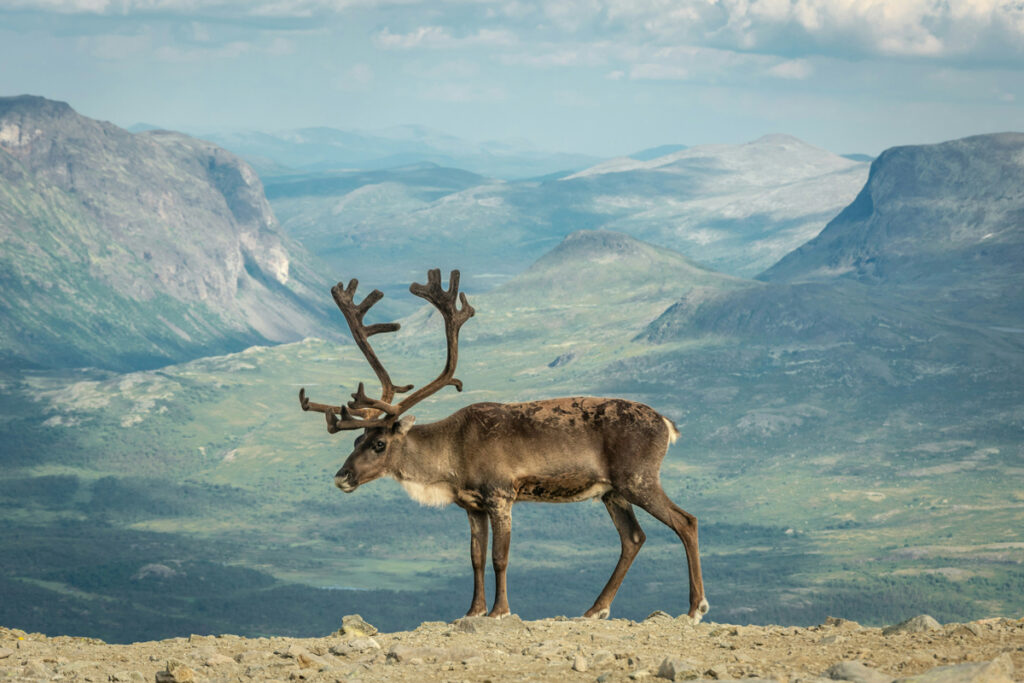
Caribou undertake some of the longest terrestrial migrations on Earth, with herds in Alaska and Canada traveling around 800 miles each year between seasonal locations. Some populations, like the barren-ground caribou, move in herds of hundreds of thousands between winter forests and northern tundra calving grounds. In certain herds, annual travel can exceed 1,000 miles as they follow plant growth and avoid deep snow and biting insects, even though recent data suggests not only thinning herds, but shrinking migration paths as well.
Bar-tailed Godwit
Image Credit: Dhaval Vargiya/ Unsplash.com
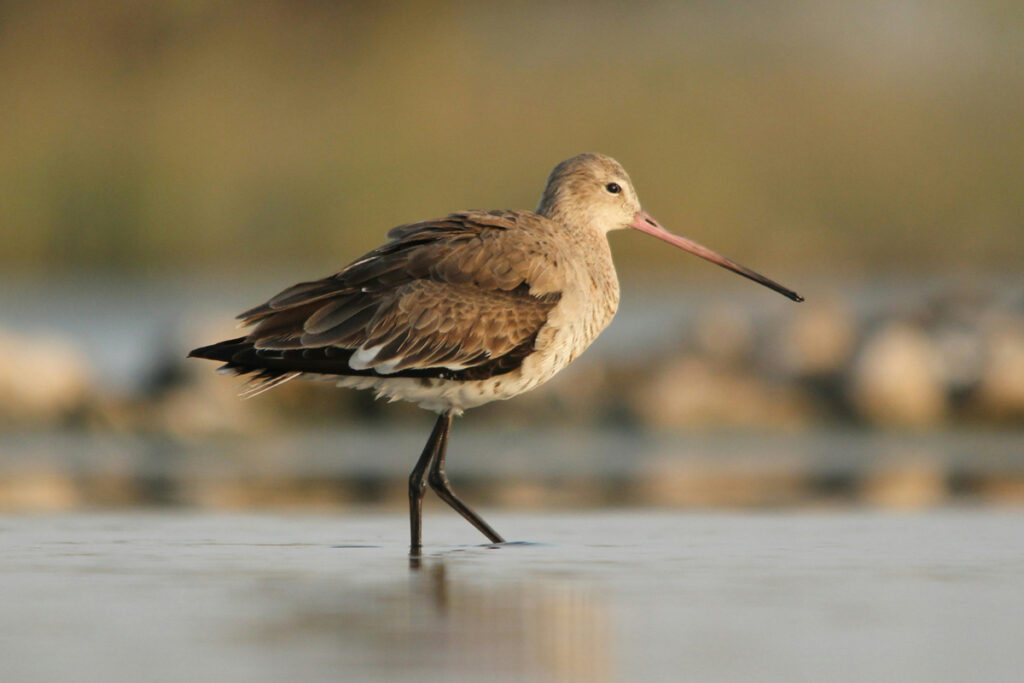
The bar-tailed godwit holds one of the most impressive records in migration: a more than 8,000-mile nonstop flight from Alaska to New Zealand, completed in just 11 days. The Arctic-breeding bird’s journey across the open Pacific offers no chance for rest, food, or shelter; before departure, it prepares for the flight by doubling its body weight in fat reserves and undergoes a temporary reduction of non-essential organs such as the digestive system, absorbing parts that it can later rebuild. Once airborne, they rely on stored energy and favorable wind systems to carry them across thousands of miles of uninterrupted ocean.
Humpback Whale
Image Credit: Jonathan Hsu/Unsplash.com
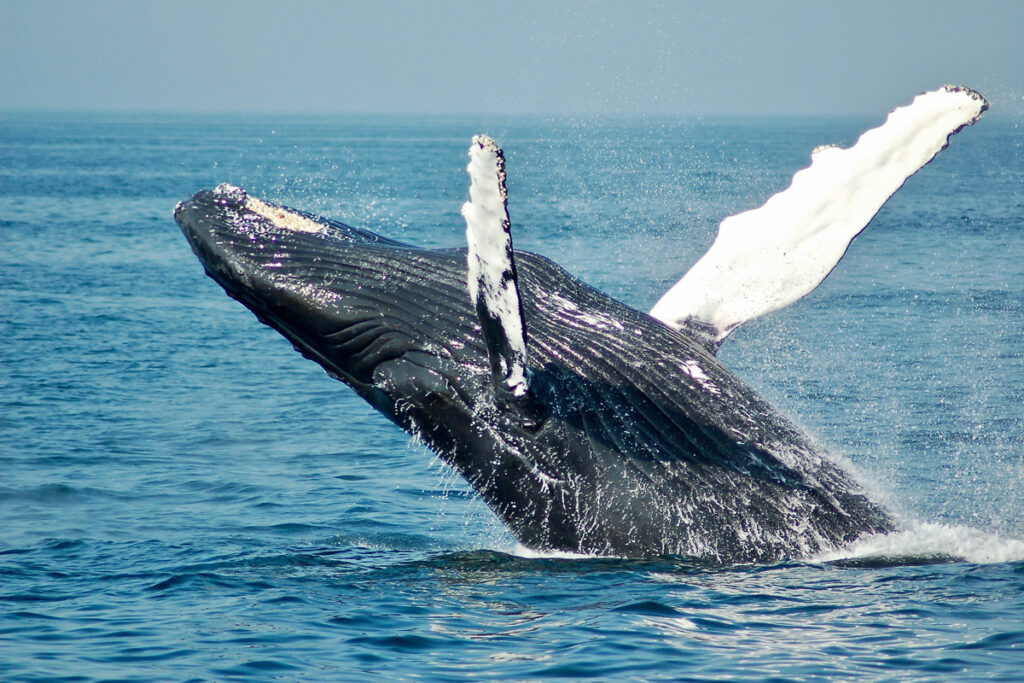
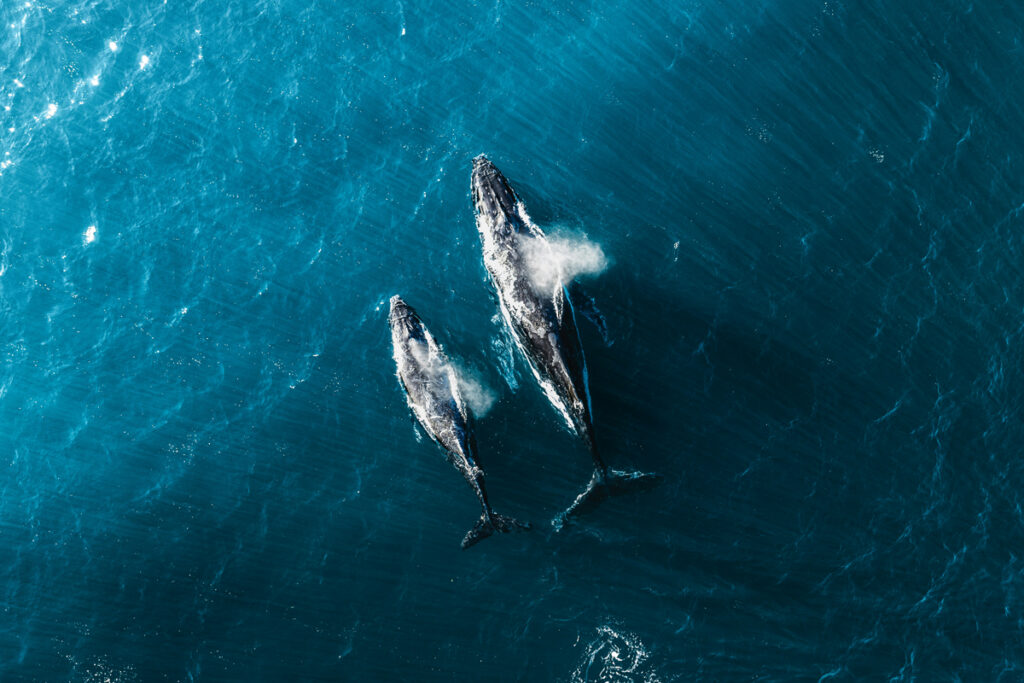
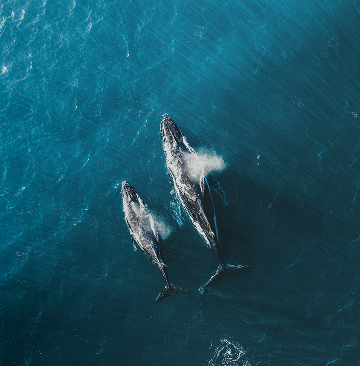
Humpback whales move across entire ocean basins each year, travelling roughly 5,000 miles between polar feeding grounds and tropical breeding waters. In summer, they feed abundantly in cold, nutrient-rich regions such as the North Atlantic or North Pacific, where vast krill and fish populations allow them to build the energy reserves needed for migration. When conditions get colder, they head for warmer waters near the equator; food is scarce here, and so whales begin fasting, using their built-up fat reserves to fuel reproduction and nursing as well as the rest of their migration journey. But that’s just the average, and it’s actually on the low end of humpback migration numbers: Recent tracking revealed that individual whales traveled distances exceeding 14,000 kilometers between breeding grounds in Australia and Brazil, including a record movement of just over 15,000 kilometers, the longest confirmed migration documented for the species.
Advertisement
How Similar Is Dolphin Language to Human Language?
Mike Diaz is a Los Angeles-based television writer/producer who got his start making docuseries for National Geographic. Most recently, he wrote for Magnum P.I. and NCIS: Hawai'i on CBS.
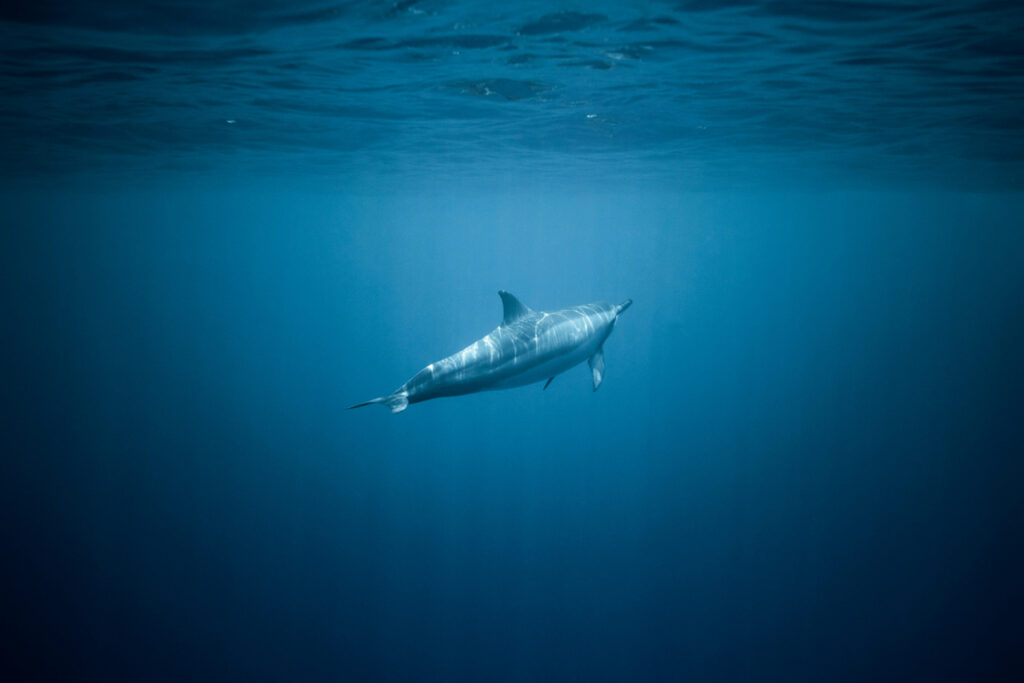
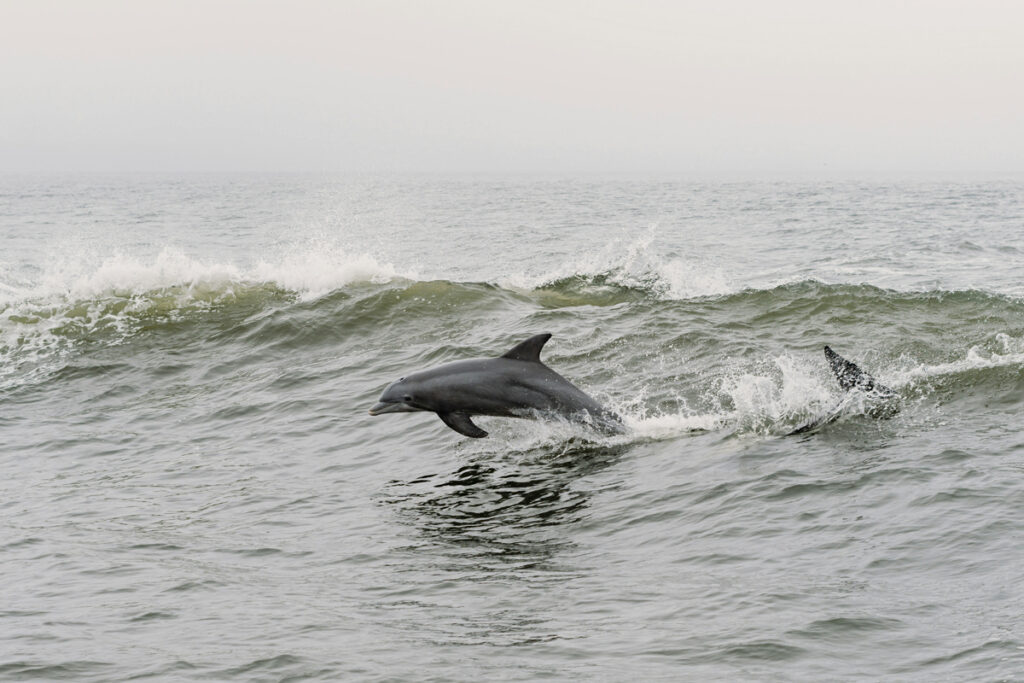
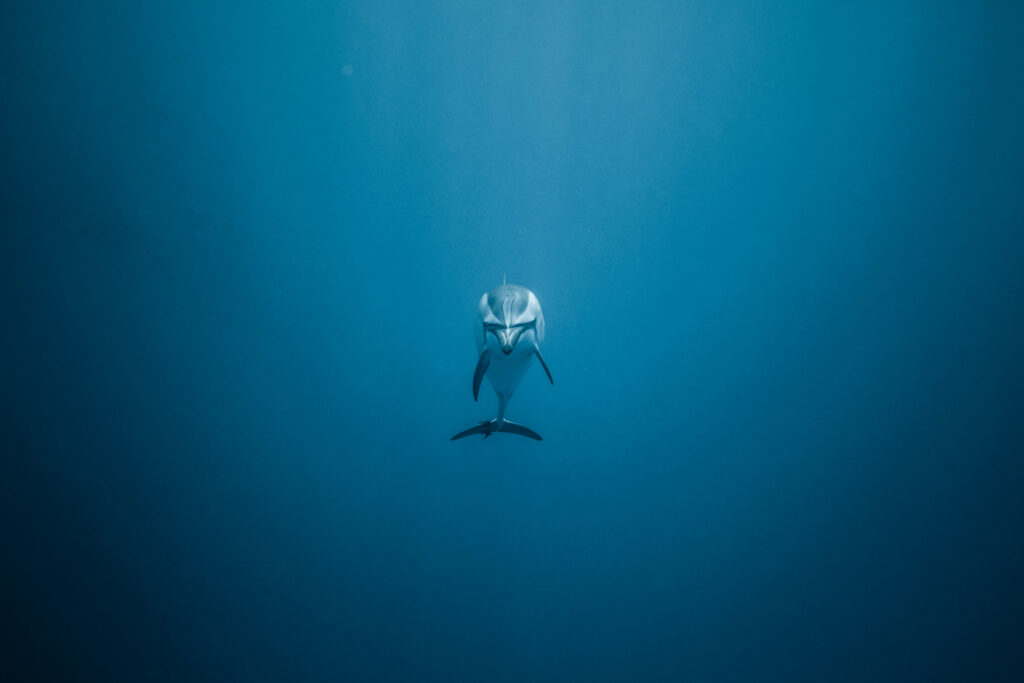
Dolphins capture the human imagination in a unique way. Playful and curious, these aquatic mammals have forged fascinating relationships with humans over the years, whether they’re approaching divers in the wild, surfing in the waves, or fishing cooperatively with local fishermen. These playful animals seem just as interested in us as we are in them.
Given the mutual curiosity, it seems possible that we might one day learn to communicate with our marine friends directly. Dolphins utilize a complex system of vocalizations to “speak” with each other. But is this system comparable to human language? And if so, how far off are we from true inter-species communication?
What Is Language?
Image Credit: Jeremy Bishop/Unsplash.com
Let’s start with the fundamentals. There are several design features that separate language from other communication systems like kinesics (body language) or artifacts (clothing). True languages are composed of individual, repeatable units – words – that can be arranged into infinite patterns – sentences. And each pattern needs to mean something, representing a specific thought that either corresponds to something happening in real time, or to an abstract idea (i.e., past or future events).
This means that your dog’s barks and growls do not technically count as language, even when they’re whimpering to get more treats. It’s not that animals don’t think – there are many examples of animals using human language to communicate with us. Koko the gorilla is one of the more famous examples who captivated the world with her advanced understanding of sign language. Then there’s Alex, the African grey parrot who seemed to understand the meaning of 100 English words. And captive dolphins have been trained to use computer-generated whistles to communicate with humans.
But what’s going on in the wild? Scientists have been debating whether dolphin vocalizations are a true language for decades. Are dolphins gossiping with each other through those clicks and whistles?
Translating “Dolphinese”
Image Credit: Steven Van Elk/ Unsplash.com
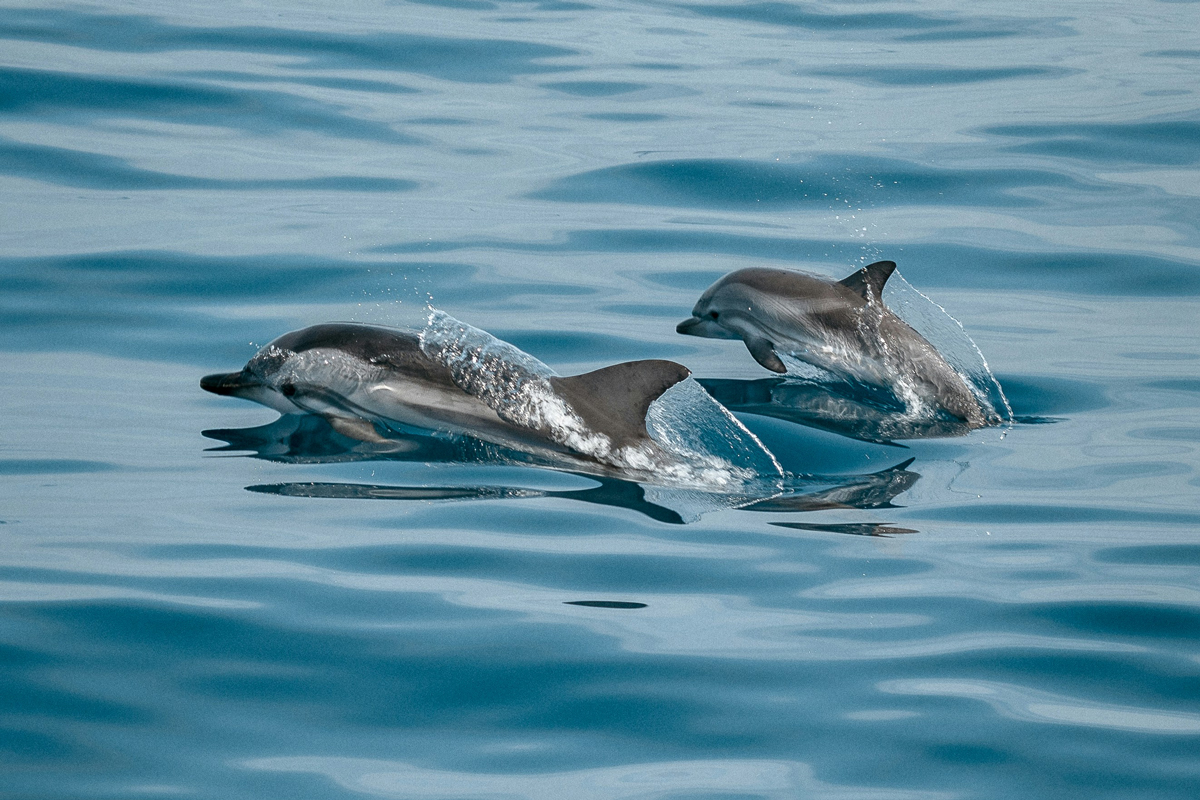
Marine biologists from the University of Sassari have discovered that dolphin vocalizations change from region to region, likely due to environmental factors. One pod of bottlenose dolphins living in a seagrass ecosystem had a different “accent” than another population of the same species where the ocean floor was muddy.
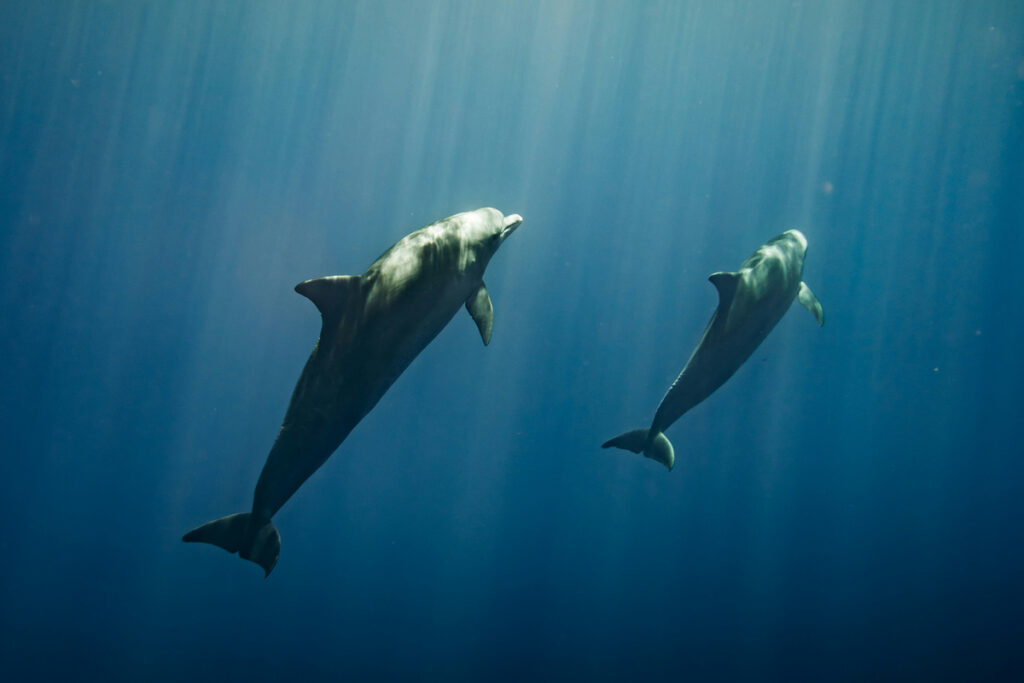
If that’s not enough to convince you of their language, consider that every individual dolphin has its own unique signature whistle, which essentially functions as a name they use to announce themselves. These signature whistles have been studied for decades, because they may be the greatest evidence for dolphin language. Each whistle is a distinct unit of sound – the equivalent of a word – that has a specific meaning, corresponding to an individual animal.
Needless to say, scientists have been racing to prove the existence of “dolphinese” for decades. In 2016, Dr. Vyacheslav Ryabov, a Russian marine biologist, published a paper about two dolphins chattering in a distinctive pattern. One animal would vocalize, while the other waited patiently, without interrupting, before responding. The exchange was very similar to the cadence of human speech.
More recently, a research team from the Woods Hole Oceanographic Institute has been making waves after identifying a unique alarm phoneme, or word, used by a pod of dolphins in Florida. Each time a dolphin used the “word” for alarm, other members of its pod responded with a query call. It was as if one dolphin said, “Danger!” and others replied, “Where?” If the researchers are decoding these exchanges correctly, it is a strong case for classifying dolphinese as a true language.
An Ongoing Conversation
Image Credit: Maria Bourgali/Unsplash.com
After years of research, scientists still don’t have a definitive answer as to whether or not dolphins use true language in the wild. Dr. Denise Herzing, founder of the Wild Dolphin Project, is using artificial intelligence to analyze 30 years of recorded dolphin vocalizations in hopes of decoding dolphinese to finally understand what they’re chattering about under the waves. If she can verify that dolphins do in fact talk to one another, it will be one of the greatest zoological discoveries of all time, because it will mean that language is not uniquely human.
Either way, dolphins are still complex, emotional creatures that have captivated us for millennia. We have plenty in common with our oceanic friends, without ever sharing a word.
Advertisement
The Animals That Spend Most of Their Lives Sleeping
Across Species 18/06/26Jun. 18, 2026
Updated 01/07/26Jul. 1, 2026
Image Credit: Zdeněk Macháček/Unsplash.com
Krissy Howard
Author
Krissy Howard is a writer with a background in comedy, and a love for researching and writing about animal behavior. You can read some of her work at Cuteness, Byrdie, and The Hard Times. When she's not writing, she's growing food in the community garden, feeding stray cats, and learning Greek.
Everyone feels better after waking up from a good night’s sleep, and animals are no different. Some animals would consider anything less than 20 hours of sleep insufficient, but you can’t chalk their long nights up to laziness. So, why do some animals sleep so much? And how do they stay safe while sleeping in the great outdoors? In short, they sleep for many of the same reasons we do, although some are known to indulge for more than double the duration.
These Cells Are a Mess
Image Credit: Ganapathy Kumar/Unsplash.com
Animals’ sleep patterns vary for different reasons, but overall, the function of sleep is generally the same for every animal on Earth, including humans. During sleep, our bodies are actually working on a number of things, perhaps most importantly, cleaning up the cellular mess that it’s made throughout the day. Mammalian brains and bodies essentially wash themselves while we are unconscious. Brain cells shrink, making room for cerebral spinal fluid to pass, and neurons release electrical signals to flush that fluid out, along with neurotoxins and other useless buildup. Then, those cells repair and replace what was just washed away, and we wake up restored and ready to face another day. Humans need around seven to nine hours to repair their cells, while lions require up to 20, and elephants get by on just two.
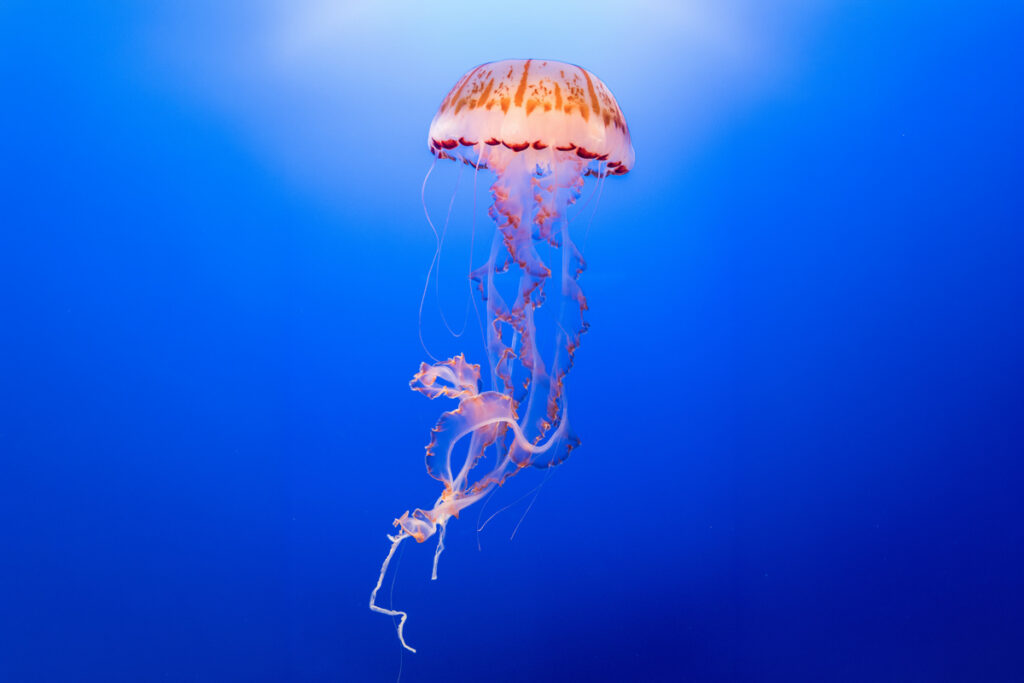
While sleeping involves much more than just relaxation and rest, that’s still a big part of its function. Rest allows muscles to repair themselves, balances our moods and hormones, lowers stress levels, and even allows our brains to move information from the hippocampus to the neocortex, where it can live as a long-term memory. This is important important for animals, especially young ones, who may just be learning about which plants are poisonous, where to find a reliable watering hole, and for some, how to find their way back home. Jellyfish, who don’t even technically have a brain or central nervous system, have been discovered sleeping in an effort to repair DNA that may have been damaged by factors like UV light exposure.
The Metabolism Piece
Image Credit: Getty Images/Unsplash.com
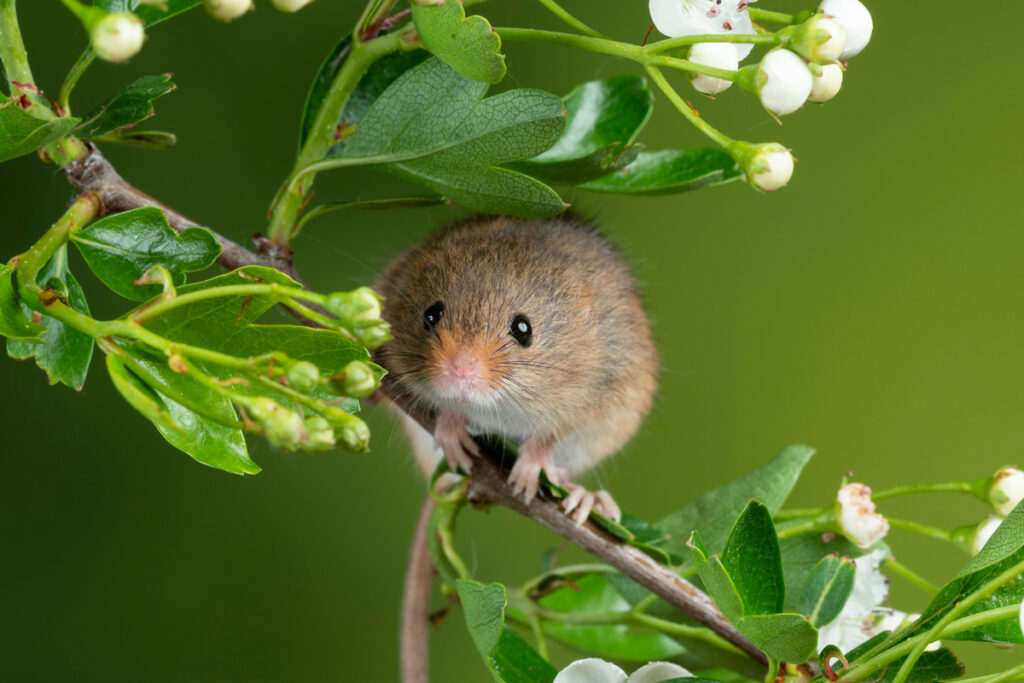
One study shows that animals with higher metabolisms create more of this cellular waste, and could be why some creatures sleep somewhere between 12 to 15 hours per day, albeit rarely all at once. Rats, mice, hamsters, and gerbils are what’s known as polyphasic sleepers. This means that they rest in several short stretches throughout the day, rather than spending an entire 13-hour stretch in bed. Dogs and cats also sleep in this style, which is where we get the term “cat nap” from. These smaller animals with faster metabolisms aren’t lazy, they just create more brain waste than their larger counterparts and need to replenish those dead cells more often throughout the day.
The Poor Diet Problem
Image Credit: Joshua Earle/Unsplash.com
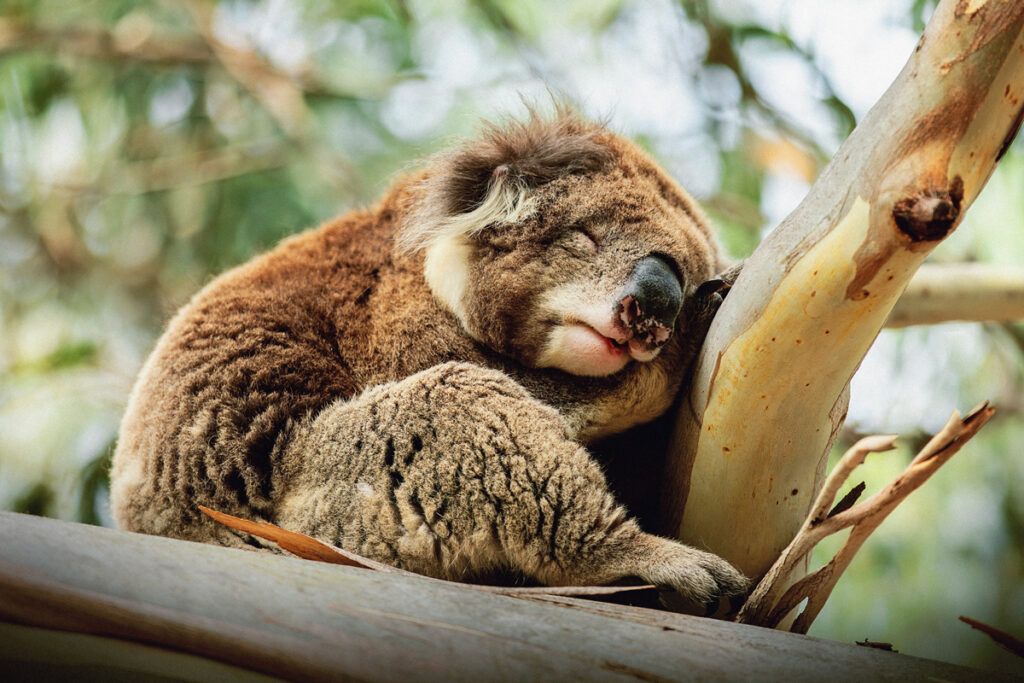
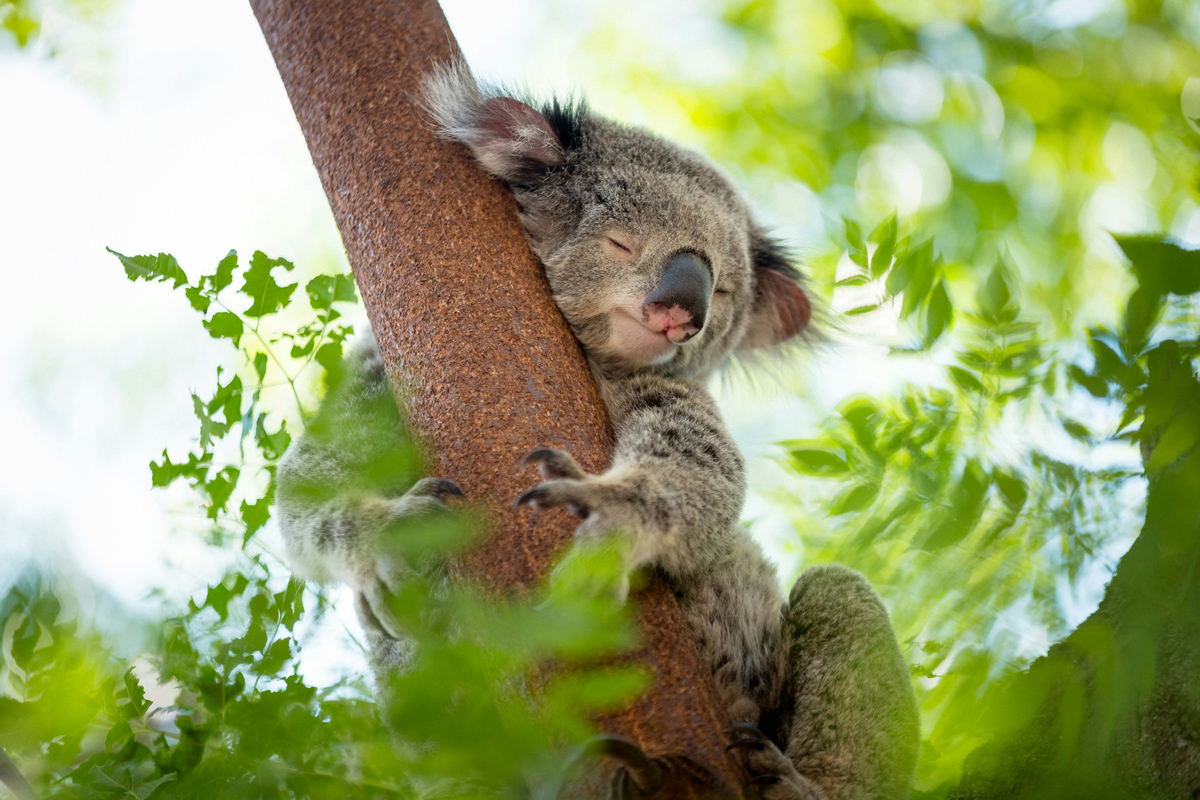
Not all animals sleep because of their fast metabolisms, however. In fact, the animal with one of the slowest metabolic rates is actually known to be the longest sleeper of them all: the koala. Koalas can sleep up to 22 hours per day, which seems impossible, until you understand why. Koala diets consist almost entirely of eucalyptus leaves, which are toxic due to their high levels of eucalyptol. This oil can become a neurotoxin when it’s ingested, leading to vomiting and diarrhea, seizures, and even chemical pneumonia. These marsupials have developed a digestive system that works hard to detox and digest the fibrous leaves found on eucalyptus trees, which requires lots of rest to upkeep. Their systems are equipped with caecum that break down the toxic fibers to make them digestible. The energy it takes for the caecum to perform this function largely uses up what a koala has managed to accumulate in a day, so those long stretches of sleep are used to conserve what energy they do have.
Not only is eucalyptus toxic, but it also provides very few nutrients. This means that koalas simply don’t have the extra energy to expend during their waking hours, and instead use most of their stamina to (what else?) eat more eucalyptus.
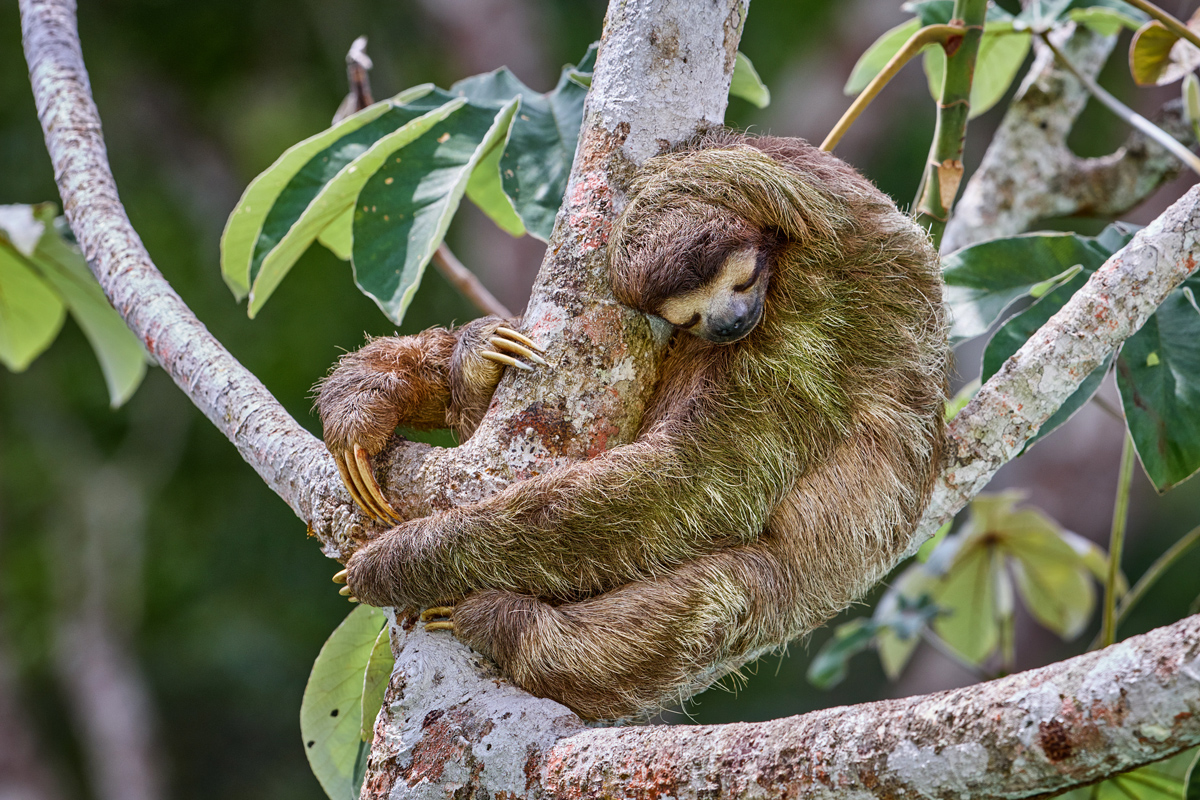
Sloths are also notoriously sleepy, and rest for around 20 hours per day, thanks to this same, low-nutrient, high-fiber, all-leaf diet. Pandas are the same, thanks to their meal of choice, bamboo. Giant armadillos get around 18 hours of sleep thanks to their diet of mostly small insects, and the American opossum can sleep for up to 19 hours when food sources are scarce, or cold temperatures creep in.
So How Does Hibernation Work?
Image Credit: BGSmith/Adobe Stock
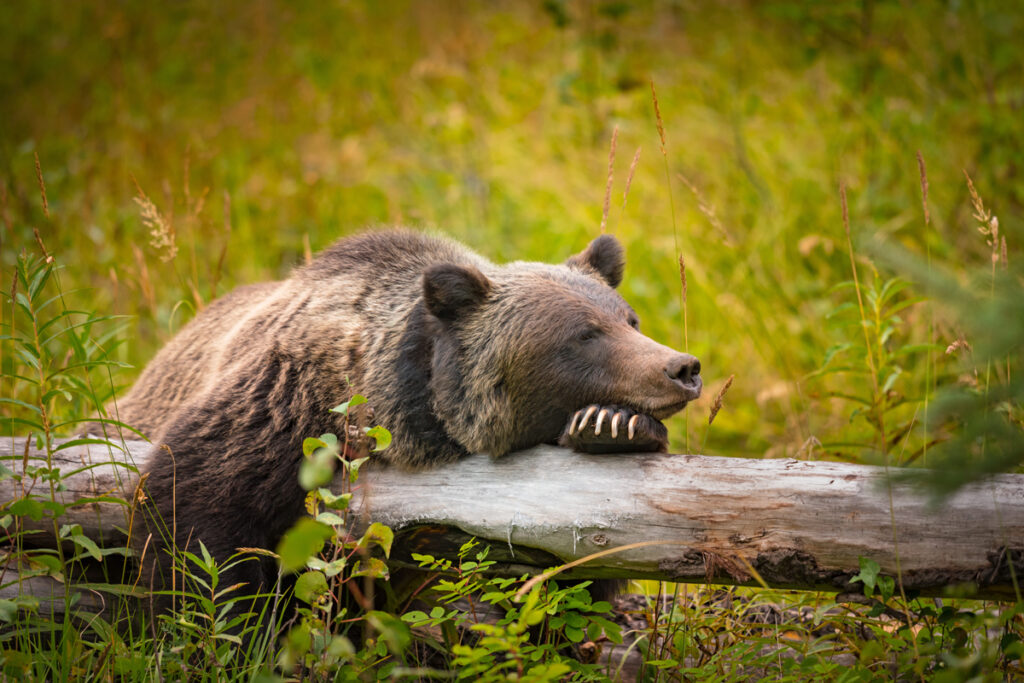
Some animals sleep because they don’t have much energy to spend, while others sleep to conserve the energy they do have. Bears are probably the most well-known hibernators, but plenty of other creatures, including groundhogs, skunks, toads, salamanders, and butterflies, use this tool to survive. Hibernation is a state of torpor during which animals’ metabolic rate, heart rate, and rate of activity slows down dramatically. Most people associate hibernation with cold weather, and while some animals do hunker down to avoid expending energy when food sources are generally scarce, other animals hibernate regardless of the weather if calories or water are harder to come by.
Hibernation also keeps animals safe while they rest. Some hibernation periods can last for over 6 months, which is common for bears, while smaller animals like marmots may only hibernate for a few weeks. Many hibernating animals seek out caves and dens to hide out in until it’s wise to reemerge. Regardless of the length of the slumber, sleep safety is important for all animals. Tree-dwelling species, like koalas and sloths, wedge themselves between forks in branches, and use their large, tough claws to grip onto trees tight, even during deep sleep. Shorter naps also help animals, like pythons, stay somewhat alert to dangers, even while their eyes are closed.
Animals That Never Seem to Sleep
Image Credit: Jeremy Bishop/Unsplash.com
On the other hand, there are some animals that seem to get no sleep at all. Take the common swift. With legs so thin they can barely support their bodies to rest, these birds are in near-constant flight, but they do, indeed sleep, even while they’re in the air. Swifts and other migratory birds like swallows can do this thanks to an evolutionary function called unihemispheric sleep. This type of sleep allows just one half of the brain to sleep while the other stays awake and helps the animal perform essential tasks, like eating, and even flying. Bottlenose dolphins, beluga whales, saltwater crocodiles, and mallards are some other animals that use this handy trick to sleep and work, simultaneously.
Kellie is a writer and editorial strategist covering topics in travel, trivia, nature, and more. When she's not writing you can find her drinking Diet Coke.
Koalas are the champion sleepers, sometimes clocking out for up to 22 hours a day. The culprit behind their sleepiness? Their exclusive diet of eucalyptus leaves. The leaves of the eucalyptus plant are toxic to all creatures, including koalas, but these marsupials have developed a defense against the toxins that allows them to digest these fibrous leaves. That digestive system, however, takes up a lot of energy, meaning koalas need plenty of rest in between meals. When they are awake, koalas use their scant stamina to, what else, eat more eucalyptus leaves.
The perk about a diet of eucalyptus leaves is that the plant is full of water, meaning koalas don’t need to spend extra time searching for a water source. The downside? Those microbes in their digestive system that allow them to digest the leaves come from their mothers’….excrement. Babies will eat their mothers’ feces to acquire the defensive microbes that allow them to eat eucalyptus.
Advertisement
5 Animals With Extreme Defense Mechanisms
Across Species 17/06/26Jun. 17, 2026
Updated 17/06/26Jun. 17, 2026
Image Credit: Duncan Sanchez/Unsplash.com
Bennett Kleinman
Author
Bennett Kleinman is a New York City-based staff writer for Inbox Studio. He is also a freelance comedy writer, devoted New York Yankees and New Jersey Devils fan, and thinks plain seltzer is the best drink ever invented.
A horned creature propelling blood out of its eyes. A six-legged monster shooting scalding-hot acid toward its victims. These sound like something you’d see in a horror flick, but they’re real defense mechanisms from some of the animal kingdom’s most unassuming residents. We’re not talking about the same old claws and camouflage that many animals rely upon to protect themselves, but rather survival tactics are extreme and extremely effective. Here are five feisty animals in particular that deploy intense defense mechanisms.
Exploding Ants
Image Credit: Minsoo Dong/Alamy
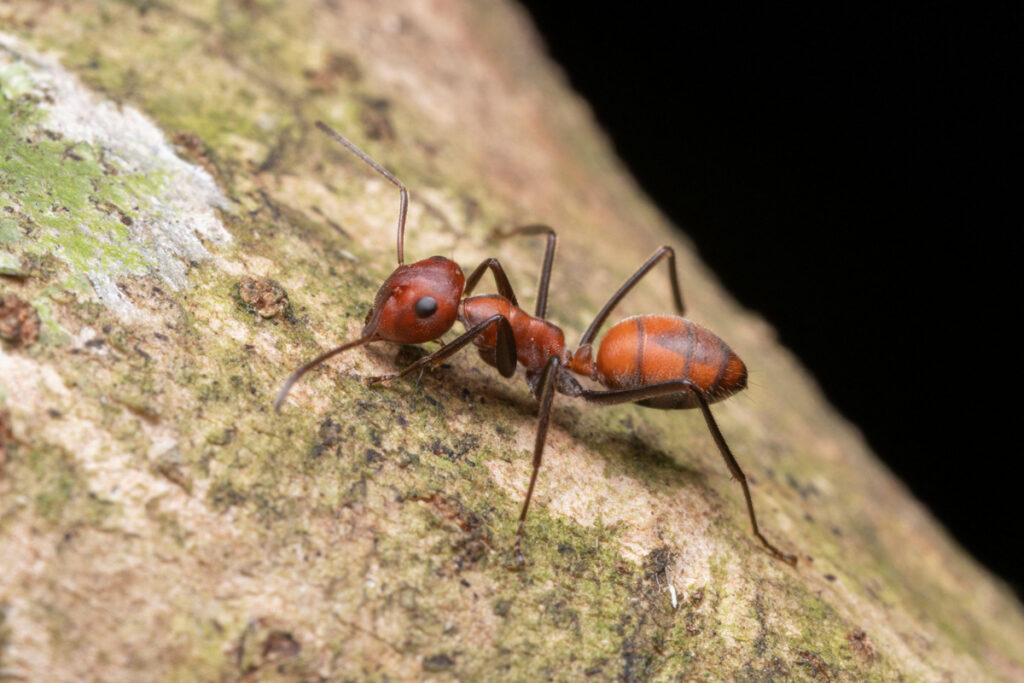
What do fireworks, airbags, and ants have in common? The answer — as shocking as it may be — is they can all explode. Native to Southeast Asia, the ant species Colobopsis explodens has a name that hints at one of the more extreme defense mechanisms in the animal kingdom. To the naked eye, the insects look like any standard ant; they have a brownish-red color and no large claws or pincers, which makes them an appealing target for predators (typically larger ants). But when attacked, these ants will explode in order to protect fellow members of their colony.
In perilous situations, these ants angle their backsides toward the attacker and flex them to the point that their abdomens burst. In doing so, they release an acrid, yellow goo to kill the attacker. The explosion results in the death of the ant being threatened, though it’s an admirable sacrifice to protect other ants from the same fate.
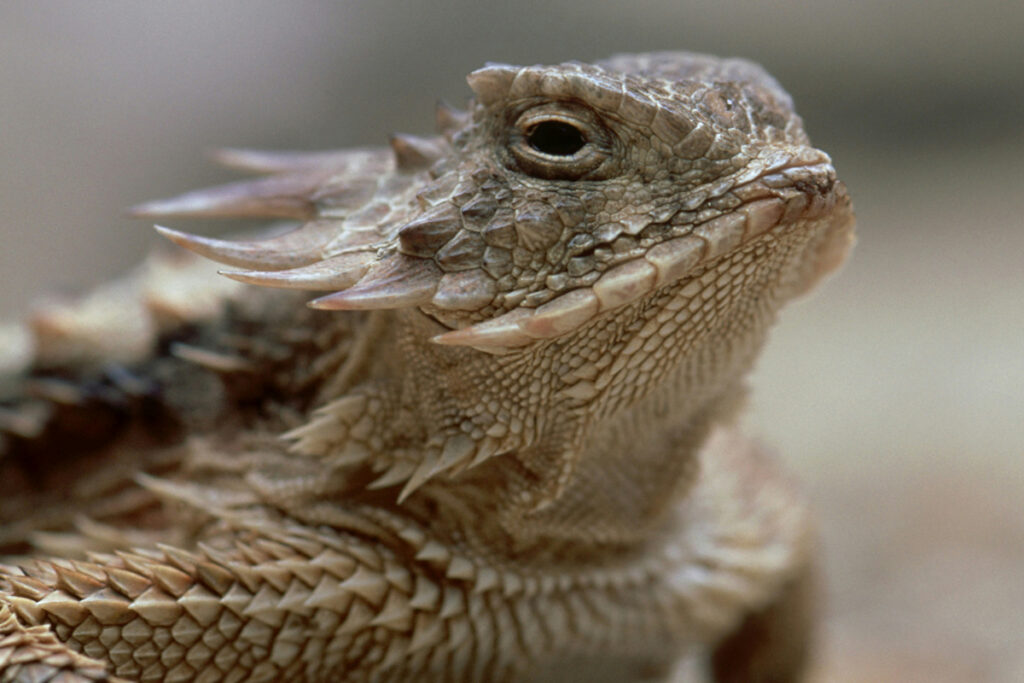
Horned Lizard
Image Credit: Getty Images/Unsplash.com
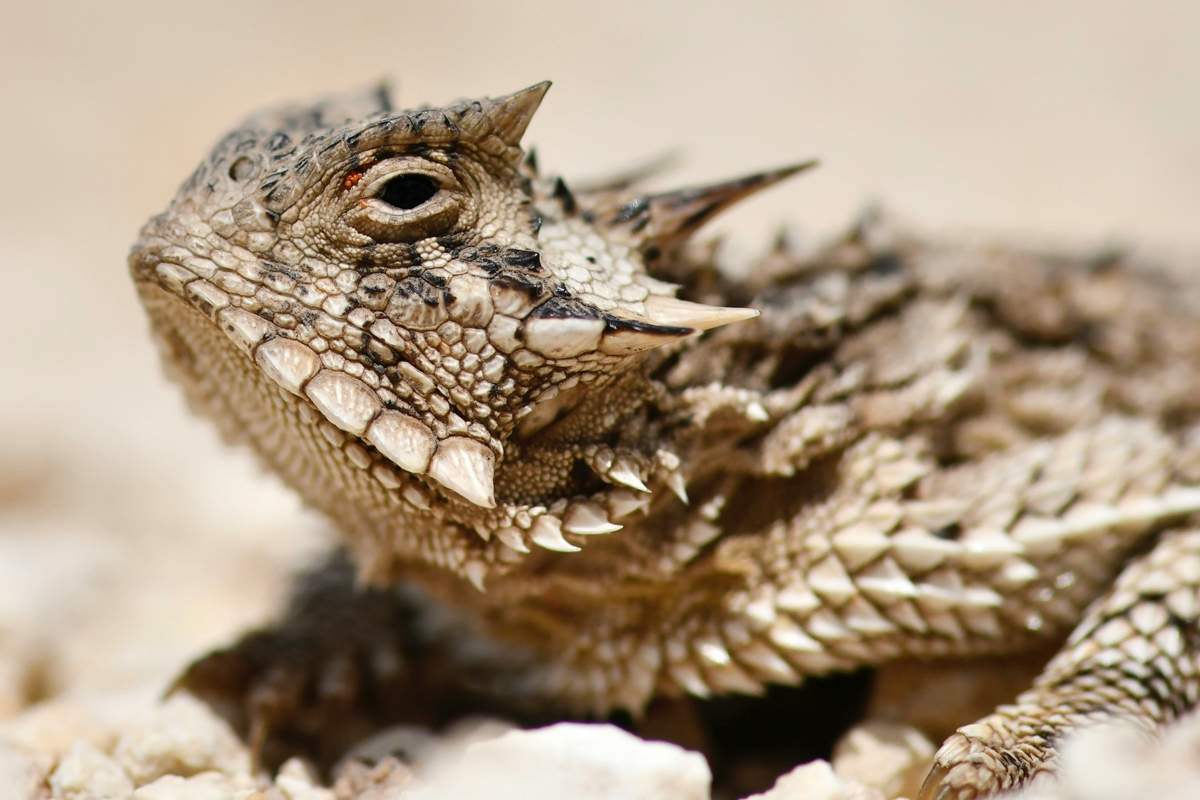
To humans, making your eyes bleed is usually a figure of speech, reserved for terrible movies, awkward situations, and other things we’d rather not see. But that’s not the case when it comes to the genus Phrynosoma, whichincludes several North American species of lizards known more commonly as horned lizards or horny toads. At least eight species within the genus have the ability to squirt blood from their eye sockets when they feel threatened. This blood is mixed with toxic chemicals that are derived from the lizard’s ant-based diet, resulting in a liquid concoction that isn’t exactly poisonous, but still has a deeply unpleasant taste.
The lizards squirt blood by restricting the blood flow from leaving their heads, which in turn increases blood pressure and causes blood vessels to burst around the eyes. These small creatures can then shoot out a stream of blood at a distance of up to five feet. While birds aren’t so turned off by this defense mechanism — given they lack taste buds — the tactic is highly effective at deterring canine predators such as coyotes, dogs, or foxes. It’s also admired by football players at Texas Christian University, where the mighty horned frog serves as the school mascot and its telltale blood makes an appearance on helmets and jerseys alike.
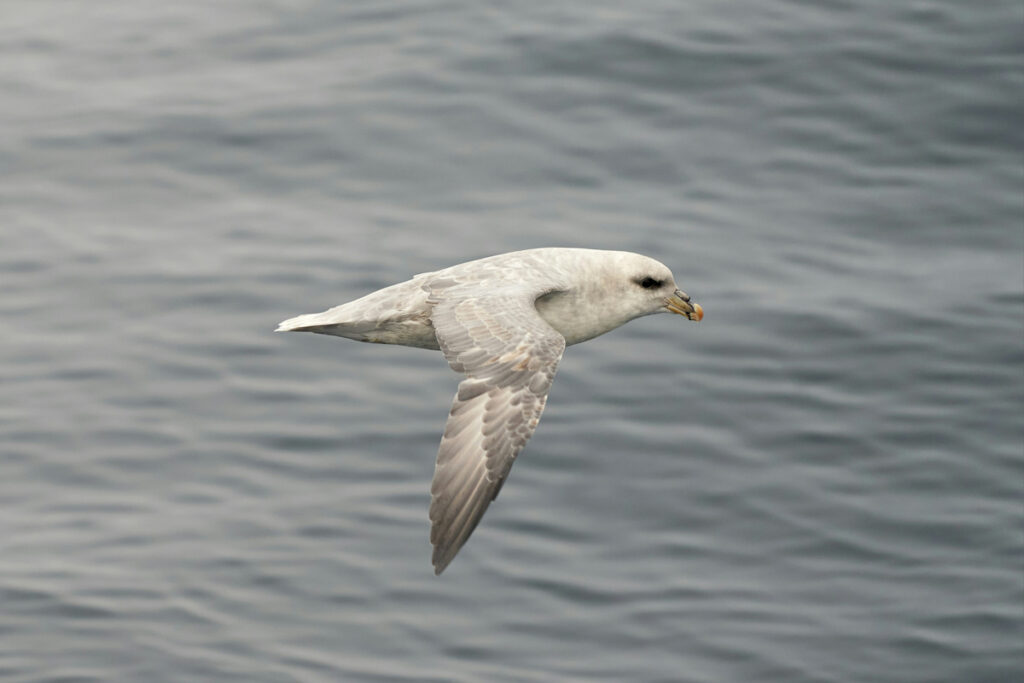
Northern Fulmars
Image Credit: Barnabas Davoti/Unsplash.com
While many birds simply take to the skies and flee to safety, the northern fulmar isn’t like other birds. This seabird typically resides in the North Atlantic and North Pacific, where it feasts on a diet of oil-rich sea creatures — similar to a nice fish fry from Long John Silver’s. After being consumed, those fatty oils are stored in a special chamber called the proventriculus, where they thicken into a sludgy goop. When threatened, the northern fulmar projectile vomits the mixture out toward any oncoming predator.
Given its thickness, the toxic vomit is extremely adhesive in nature. So much so that it sticks to that predatory bird’s feathers and weighs it down to the point that it can sink and drown in the water. Northern fulmar chicks are able to produce projectile vomit, even without a parent present, in the event their nest is attacked.
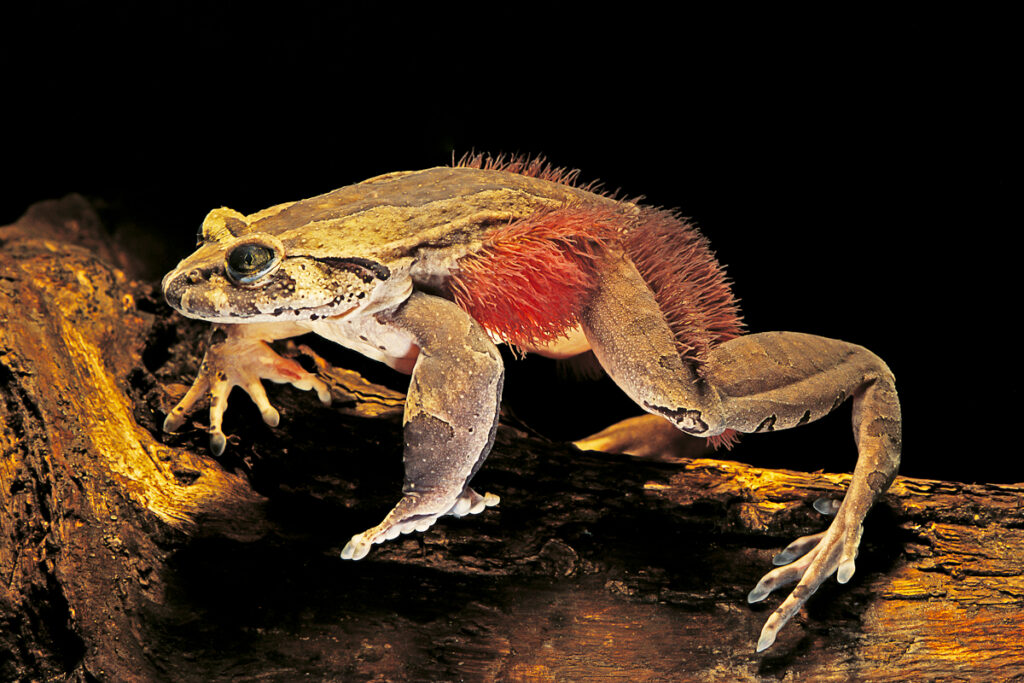
Hairy Frogs
Image Credit: Paul Starosta/Getty Images
The species Trichobatrachus robustus is known to many as the hairy frog, but also by the names horror frog and wolverine frog. That latter moniker comes from the animal’s similarities to the X-Men hero Wolverine, who has retractable claws made of the fictional element Adamantium. The hairy frog’s retractable claws are made of bone that can tear straight through its skin to defend itself — a nightmarish idea for anyone who’s ever suffered a compound fracture.
When threatened, the hairy frog will flex its foot muscle, causing its sharp claws to break through the fleshy nodules at the tips of its toes. It’s like how a cat protrudes its claws, only with an added element of gore. The frog will then use its newly exposed claws to lacerate its attacker until the situation is secure. Once safe, this frog pulls its claws back into its toes, though it requires time thereafter for its skin to heal over.
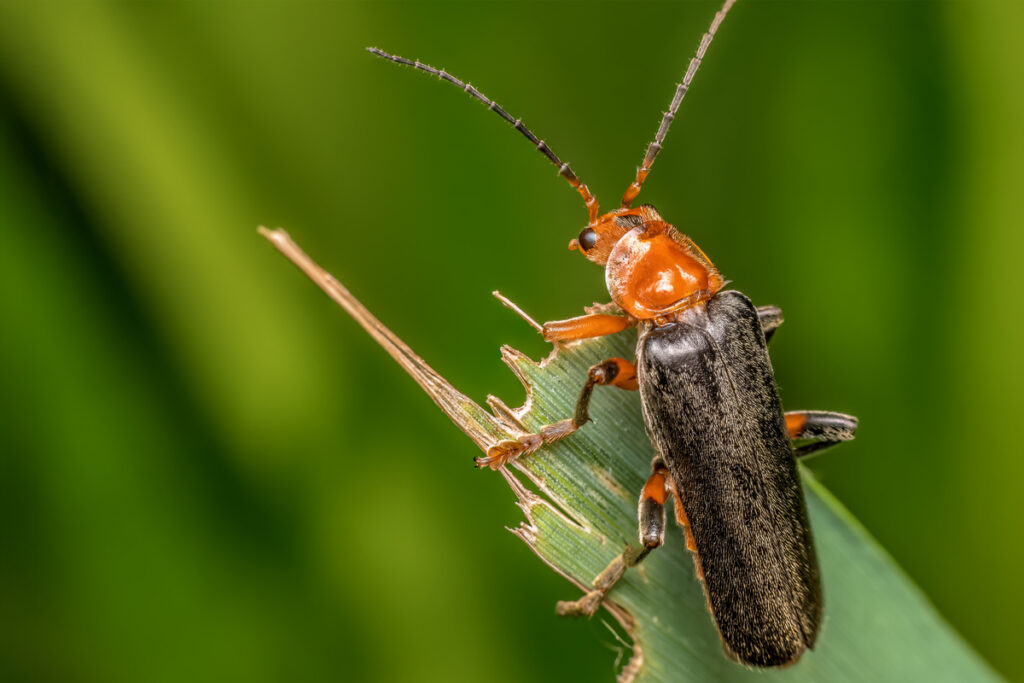
Bombardier Beetle
Image Credit: Roman Milert/Adobe Stock
In an 1846 letter, Charles Darwin described being on the receiving end of a threatened beetle that shot acid down his throat. This was an early recorded example of beetles that shoot chemicals — as if from a cannon — at would-be predators. Among the many beetles that do this, few have perfected it to the degree of the aptly named Bombardier beetle, which gives the concept of chemical warfare a whole new meaning.
The Bombardier beetle launches a foamy secretion out of its abdomen at up to 22 miles per hour and at temperatures of up to 212° Fahrenheit — the boiling point of water. If you’ve ever burnt yourself while making pasta, you know how unpleasant this can feel. The beetle can also fire this scalding secretion as if it were coming out of a machine gun, generating between 368 to 735 pulses per second. This spray combines hydrogen peroxide and hydroquinone, which are stored in separate sacs within the beetle’s body. The chemicals are then mixed together inside an abdominal chamber, and propelled if needed.
Advertisement
Your Daily Guide to the Animal Kingdom
Get to know the animals that share our planet with this daily newsletter.
Success! Welcome to Animal Facts.
Check your inbox for your daily email.
Sorry, your email address is not valid. Please try again.