Kellie is a writer and editorial strategist covering topics in travel, trivia, nature, and more. When she's not writing you can find her drinking Diet Coke.
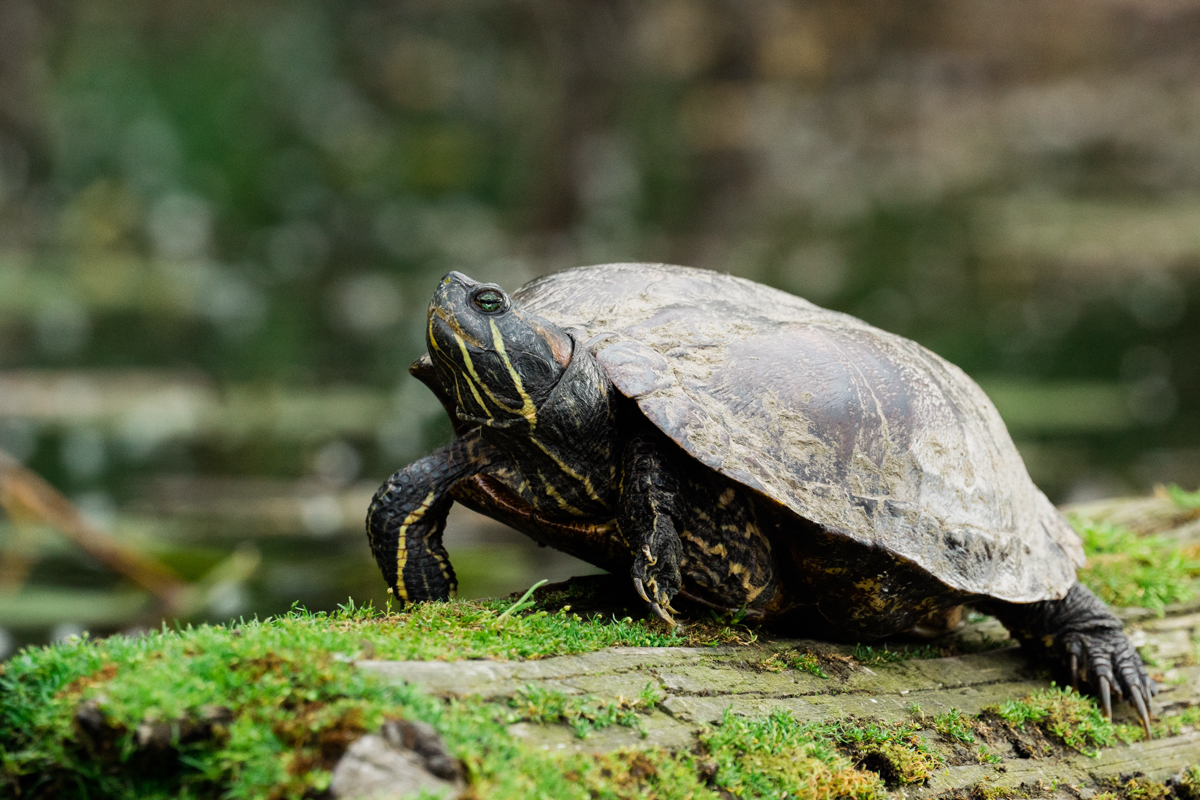
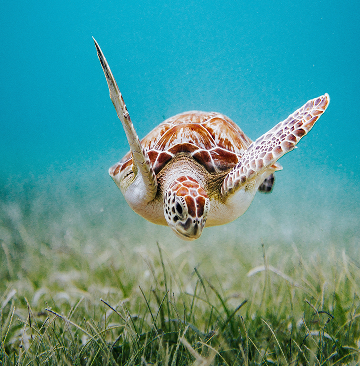
Most people associate hibernation with a cozy, snow-covered cave or underground burrow, but what about the bottom of a frozen lake? That’s where you’ll find some species of turtles who hole up beneath the icy water for months at a time. Species like the common snapping turtle enter brumation — the reptilian equivalent of hibernation — when temperatures plummet. Because turtles are ectothermic, or cold-blooded, their body temperature drops along with the surrounding water, slowing their metabolism by as much as 95%. In this low-energy state, they can survive for months beneath the ice.
But that raises an obvious question: How do they breathe? Even frozen lakes contain dissolved oxygen, and these turtles absorb it directly from the water through specialized blood vessels in their skin. The highest concentration of those blood vessels just happens to be… under their tails.
Advertisement
7 Animals With Odd Sleep Habits
Across Species 17/07/26Jul. 17, 2026
Updated 17/07/26Jul. 17, 2026
Credit: Tambako the Jaguar/Getty Images
Krissy Howard
Author
Krissy Howard is a writer with a background in comedy, and a love for researching and writing about animal behavior. You can read some of her work at Cuteness, Byrdie, and The Hard Times. When she's not writing, she's growing food in the community garden, feeding stray cats, and learning Greek.
Are you one of those people who can only sleep with the sound of the TV on in the background? Or maybe you need the soft, steady patter of raindrops hitting the roof to drift off. Humans have their own unique bedtime rituals, which can range from drawing the blackout curtains closed to cuddling up with their favorite stuffed toy, and beyond. These might sound like odd sleeping habits to some, but they’re nothing compared to how some animals catch their Z’s in the wild.
Image Credit: James Virtudazo/Unsplash.com
Dolphins
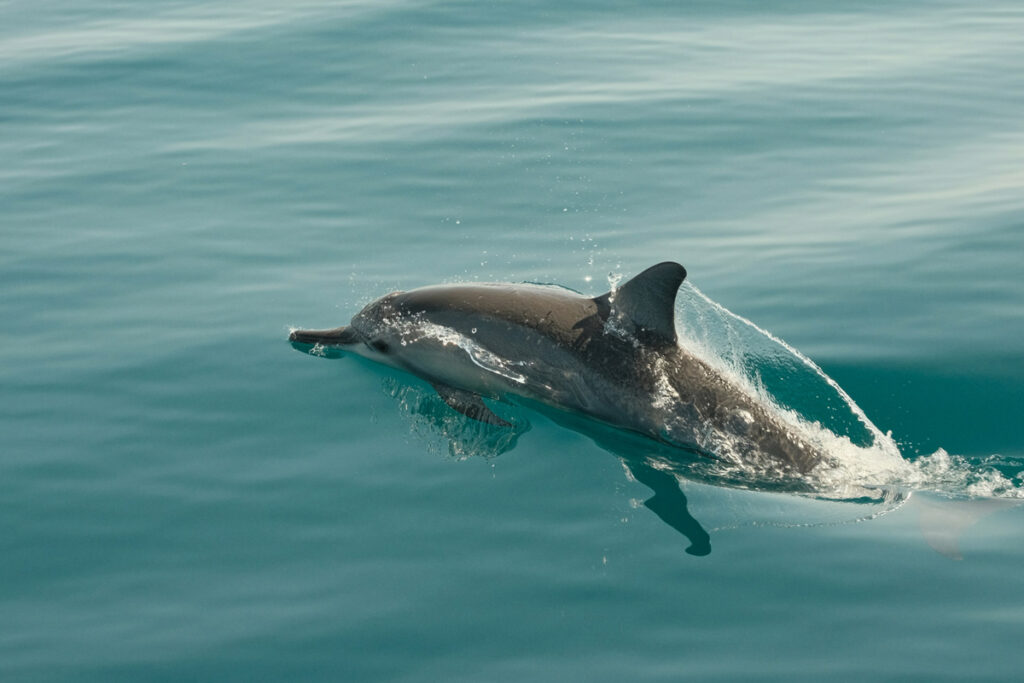
How do marine mammals sleep without breathing? Well, they don’t. Aquatic mammals like dolphins still come up for air even if they’re mid-sleep. How? By keeping half of their brain awake at all times. This is an evolutionary trick known as unihemispheric sleep, which allows an animal to shut down one half of its brain for rest, while keeping the other half awake, alert, and able to execute important functions. Dolphins aren’t the only animals that rely on this trick to survive while they sleep. Whales, manatees, and Northern fur seals also sleep this way so that they can keep breathing and remain alert for predators. Common swifts can stay in the air for up to 10 months at a time, and they never have to touch ground thanks to unihemispheric low-wave sleep adaptations.
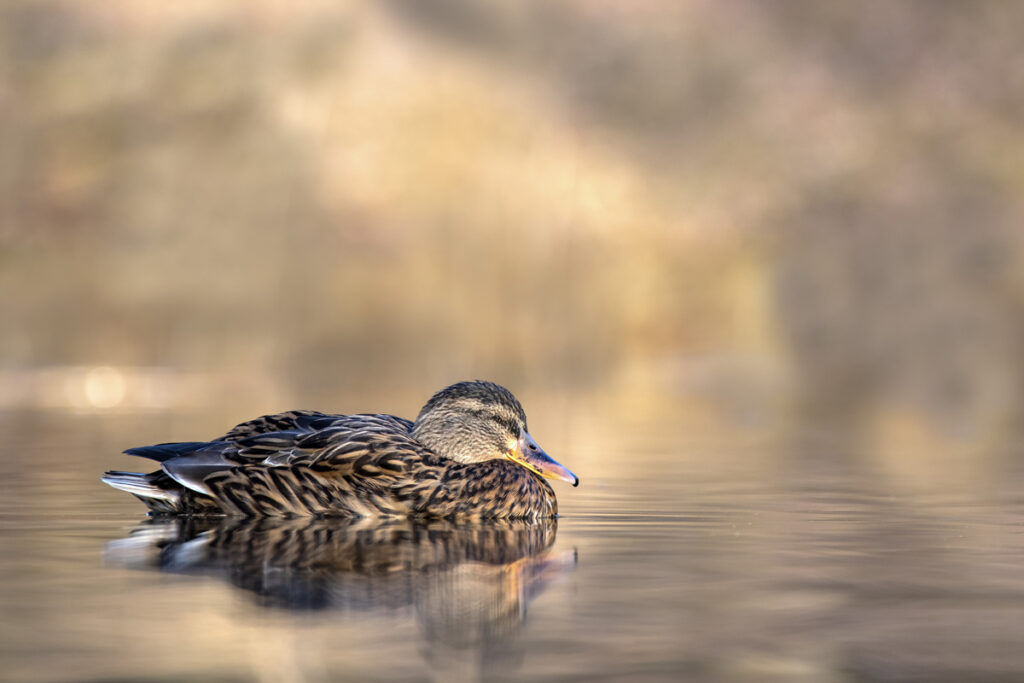
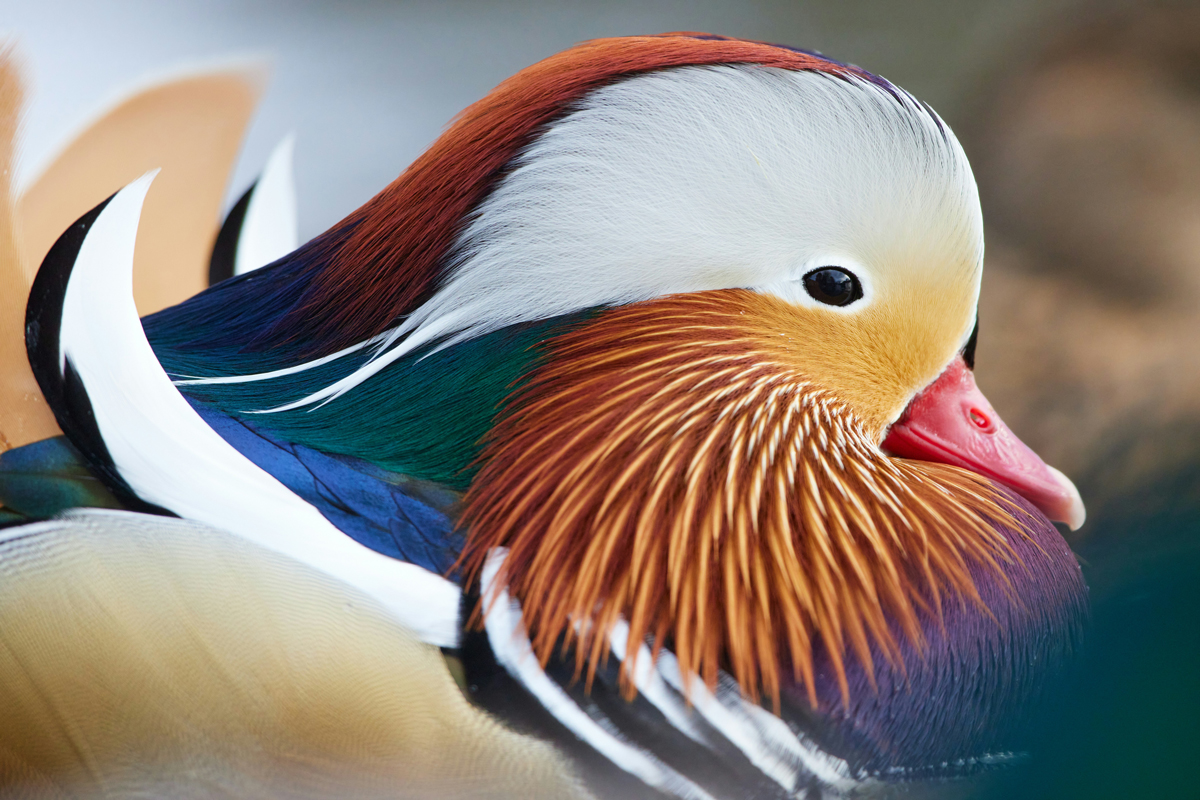
Ducks also utilize unihemispheric sleep to get their much-needed rest, but they don’t always have to. When ducks sleep alone, they use the half-awake/half-asleep brain technique, but when they’re resting with pals, they rely on the safety of the group to protect them while they get a full night’s rest. When ducks sleep in a flock, whether on land or on the water, the ducks on the outside of the flock sleep with one eye open in an effort to protect and alert the pack should danger arise. The lucky ducks in the middle of the flock are able to indulge in a two-eyed sleep. These birds also rotate who gets guard duty, allowing everyone to have their turn to snooze soundly in the middle.
Image Credit: Wonders of Europe/Adobe Stock
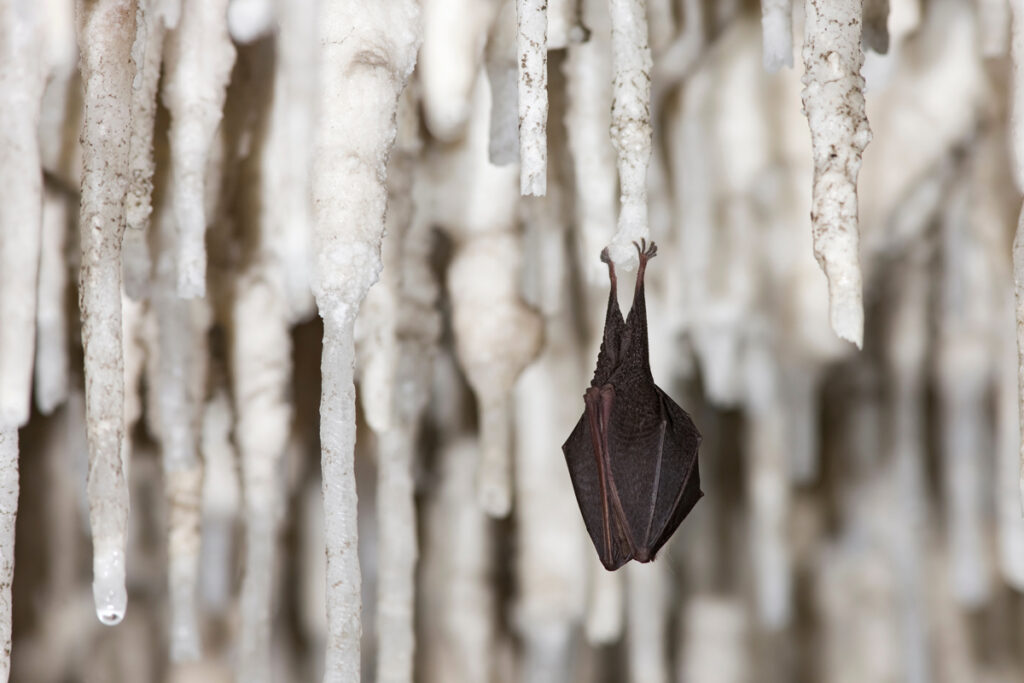
Bats
It’s common knowledge that bats sleep upside down, but why do they choose to rest this way rather than curl up on the ground or in a nest? They do it to stay safe when they’re in their most vulnerable state. Bat legs are relatively small, thin, and weak compared to their wings. This makes it hard for them to push off of the ground when it’s time to take flight, which might need to occur in a split second when predators approach. Hanging from their feet allows them to simply release their grip and fly elsewhere to safety, and it doesn’t even cost them energy to do it. The tendons found in a bat’s legs connect to their toes and automatically lock them onto the surface they’re touching, keeping them secure for their slumber.
Image Credit: Picture by Tambako the Jaguar/Getty Images
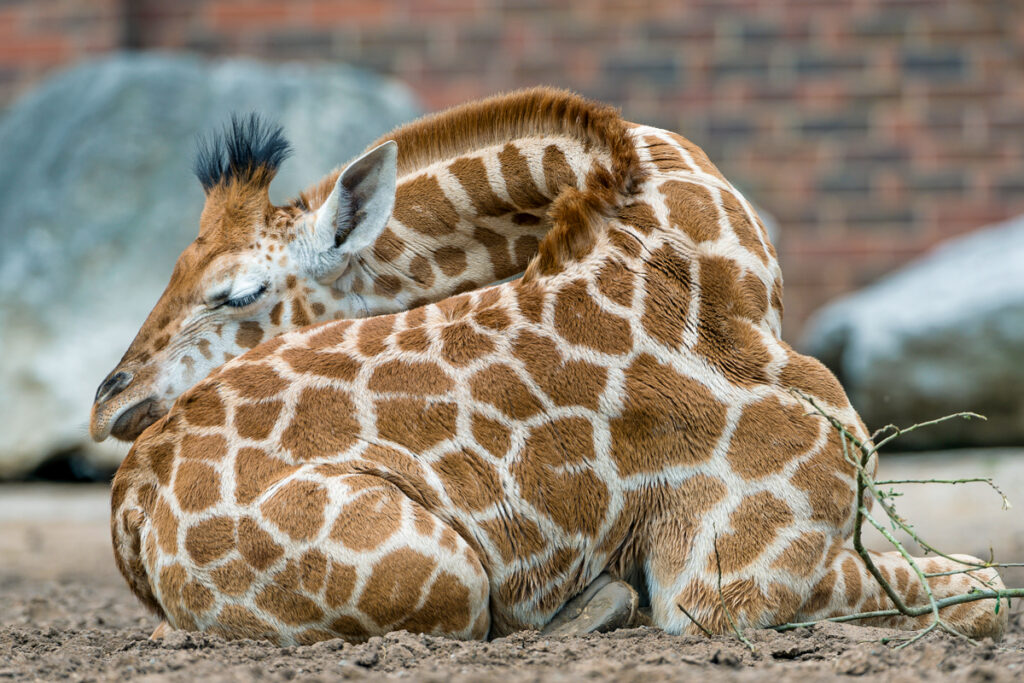
Giraffes
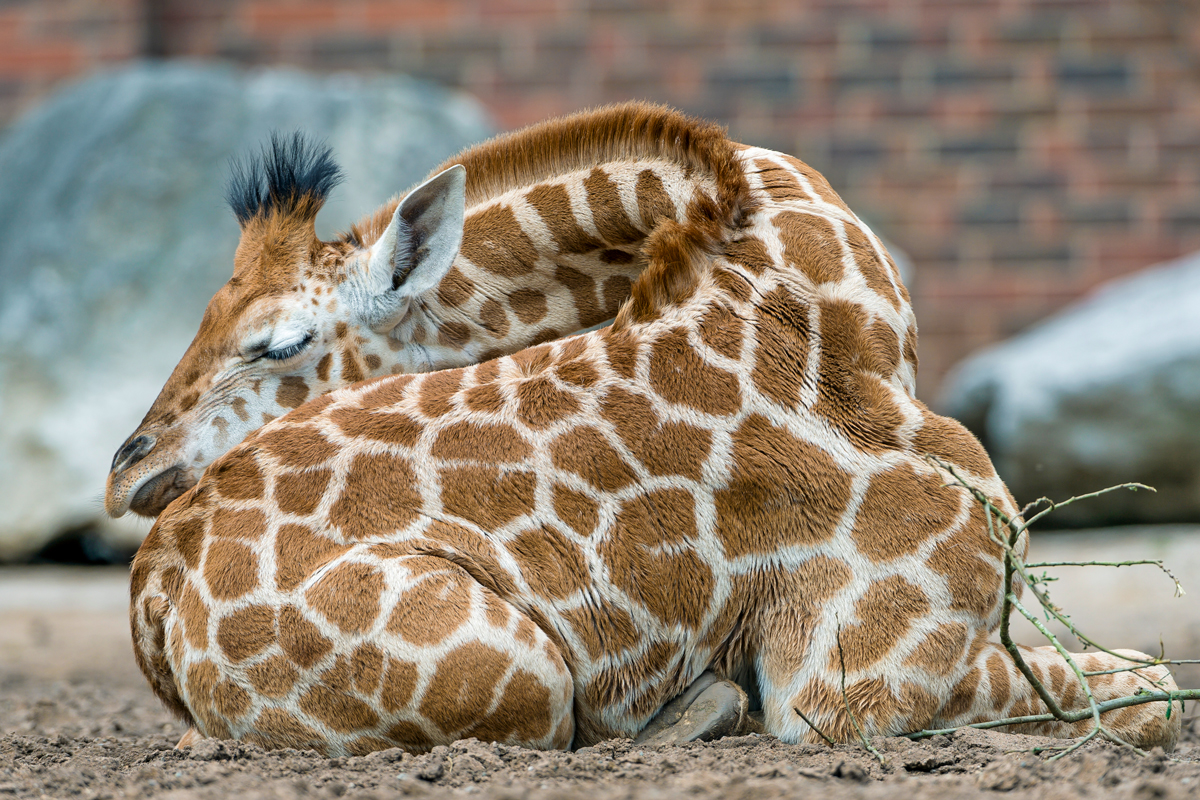
Think you could get by on just 20 minutes of sleep a night? That’s exactly what many giraffes do. Despite their massive size, giraffes are actually quite vulnerable when they’re not standing tall. This is why they mostly sleep standing upright, and in short bursts of about 20-30 minutes at a time. They may do this several times throughout the day to accumulate more sleep, but rarely venture beyond about six hours all-told. Giraffes can and do sleep on the ground, which is how they get that restorative REM sleep. Lying down and getting up does force them to let their guards down, but when they do it, they protect themselves by wrapping their necks around their bodies and resting their heads right on their rumps, like a built-in pillow.
Image Credit: Jordan Whitt/Unsplash.com
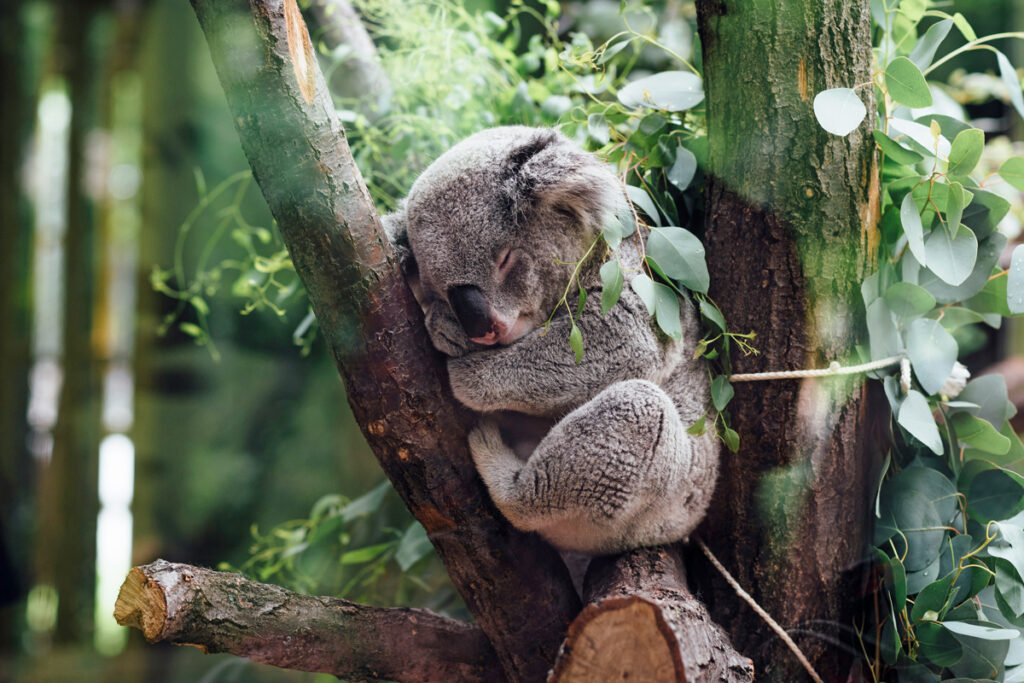
Koalas
On the other hand, some animals need extra beauty rest in order to function at all, and the koala takes the cake for the longest dozer on land. Racking up an impressive 22 hours per day, koalas sleep so much to preserve energy. Their diets are made almost entirely of eucalyptus leaves, which are not only low in nutritional value, but also high in toxins that are indigestible by most animals. The fibrous plant requires a lot of energy to digest, and offers little energy to burn in return, hence the lengthy slumber.
Image Credit: Geostock/Getty Images
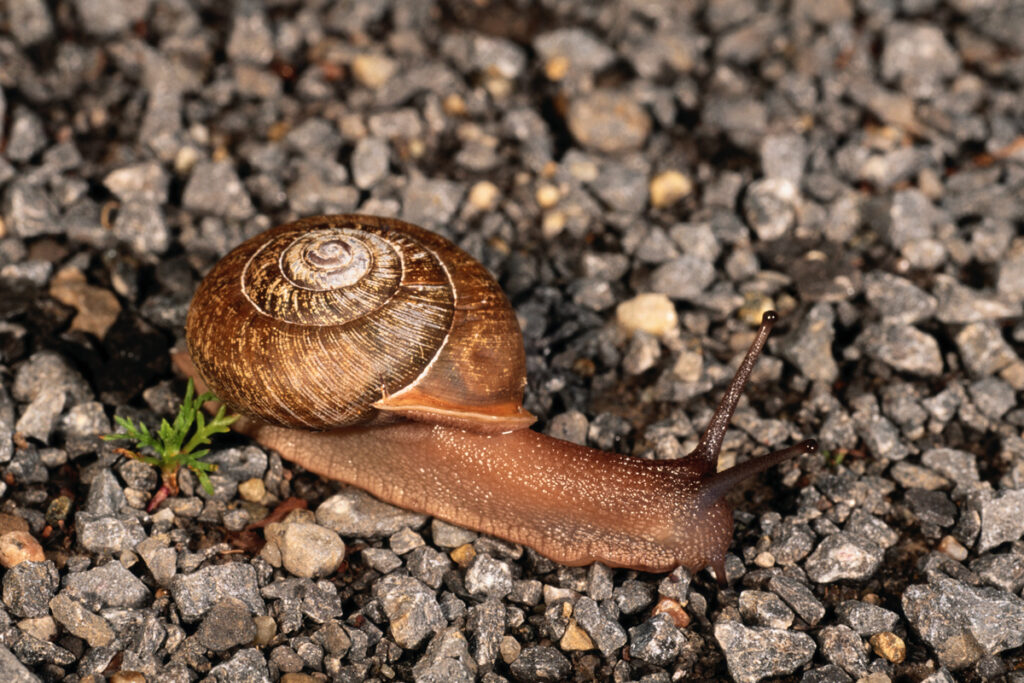
Desert Snails
When people think of hibernation, they probably picture Grizzly bears and groundhogs first. But did you know there’s a snail that can out-hibernate even the longest napper, and by several years? Desert snails regularly sleep for around 15 hours per night, which is impressive on its own but isn’t even close to the longest stretch they can go for. These animals don’t hibernate necessarily, they aestivate, or go dormant, for up to three years by essentially encasing themselves in their shells with a layer of mucus. They do so to survive the hot, arid climates of the desert. Aestivation is one of the purest forms of metabolic preservation, and according to one study, can allow an animal’s essential organs to keep working despite losing up to 30% of the water in its body.
Image Credit: TC Photography/Unsplash.com
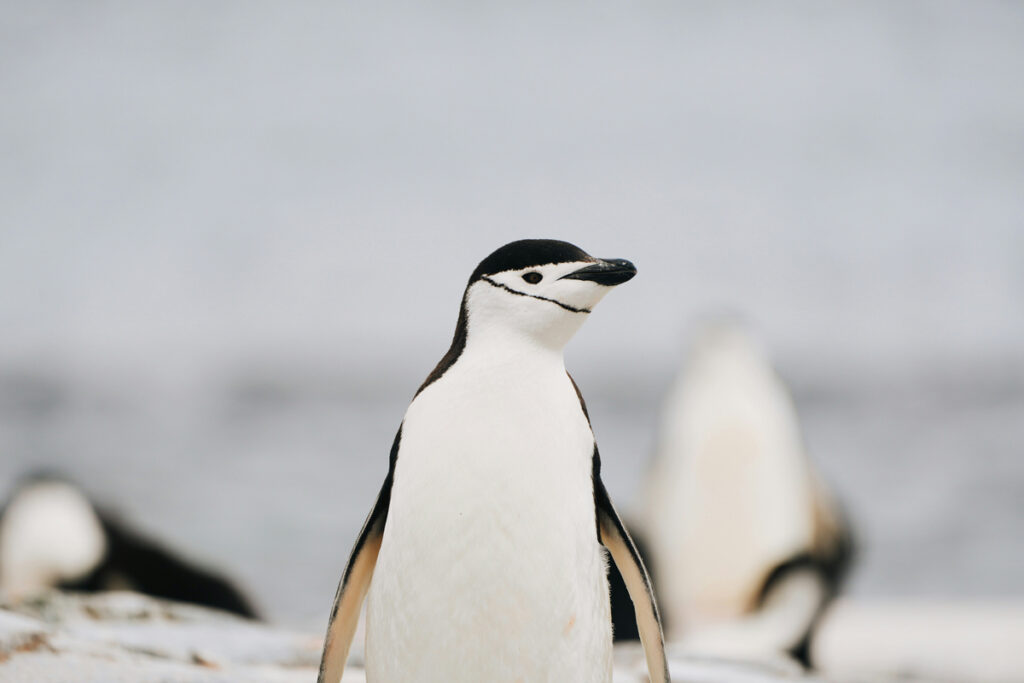
Chinstrap Penguins
Chinstrap penguins take their breeding season seriously. So seriously, in fact, that they completely change their entire sleeping routine. When at sea, penguins float and use unihemispheric sleep to survive. During the breeding and egg-rearing season, they assemble in colonies on land, where they bring a new meaning to the term “micronap.” Studies have shown chinstrap penguins can sleep up to 600 times per hour, or over 10,000 times in a single day, but for only about four seconds at a time. They’re able to accumulate around 11 hours of rest this way, and they do it so they can keep a very close eye on their precious eggs, which are prime pickings for avian predators like Skuas and Sheathbills.
Kellie is a writer and editorial strategist covering topics in travel, trivia, nature, and more. When she's not writing you can find her drinking Diet Coke.
Sleeping alone is dangerous in the animal kingdom, especially if you’re a duck. With predators lurking nearby, a deep, uninterrupted sleep could be a fatal mistake. That’s why these waterfowl have cultivated a safer sleeping strategy. Like many other animals, ducks are capable of unihemispheric sleep, meaning they rest one half of their brain while the other remains awake. During this time, they literally sleep with one eye open, keeping watch for danger while still getting the rest they need.
Fortunately, ducks don’t need to sleep this way all the time. When sleeping in a group, these birds take guard duty in shifts. They sleep in flocks, with ducks on the outer rim employing this one-eyed sleep to keep watch, while ducks in the middle enjoy a restorative two-eyed sleep.
Advertisement
What It’s Like to Be an Octopus
Fish 15/07/26Jul. 15, 2026
Updated 15/07/26Jul. 15, 2026
Image Credit: Zampa/Adobe Stock
Nicole Villeneuve
Author
Nicole is a writer, editor, and researcher with over 15 years experience covering arts and culture, lifestyle, and media. Her work has also appeared in PureWow, Brit + Co, Exclaim, AUX TV, and CBC. She lives in Ontario, Canada.
An octopus seems almost alien compared to most animals. It has three hearts, blue blood, and no bones. Then there are its arms, all eight of which can act on their own. Its skin can change color or even texture in an instant, and even its nervous system is organized differently than most animals.
These unique features are much more than just biological quirks. They help octopuses survive, be skilled hunters and escape artists, and are why scientists continue to study them with awe and admiration. The octopus indeed interacts with the world in ways few other animals can. Here are a few of the ways their adaptations help them experience a very different world from our own.
Image Credit: pr2is/Adobe Stock
Their Arms Have Minds of Their Own
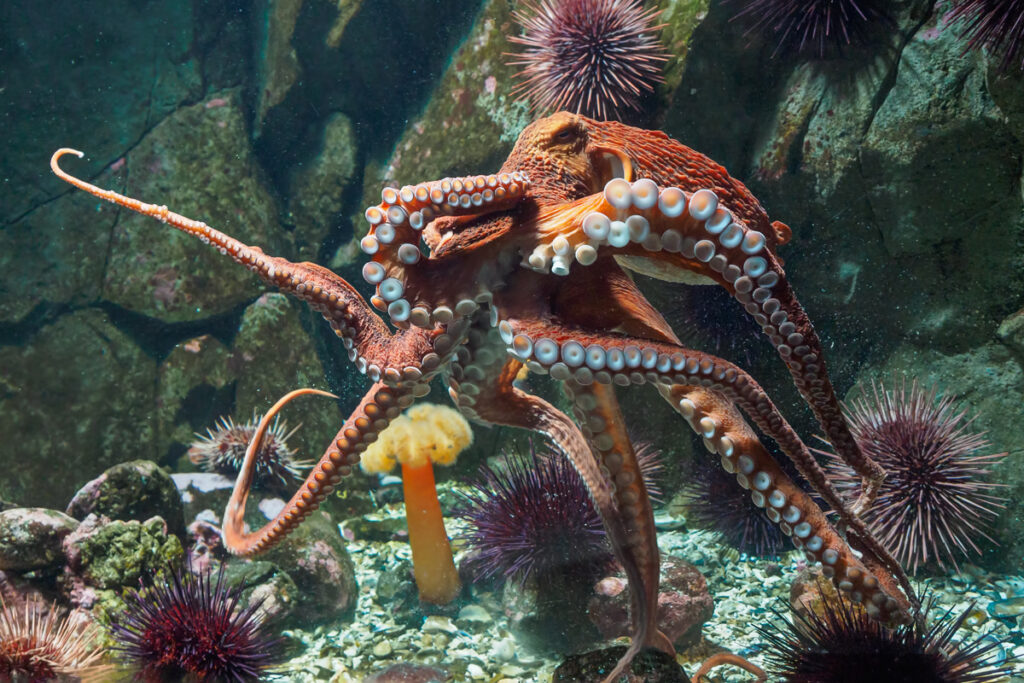
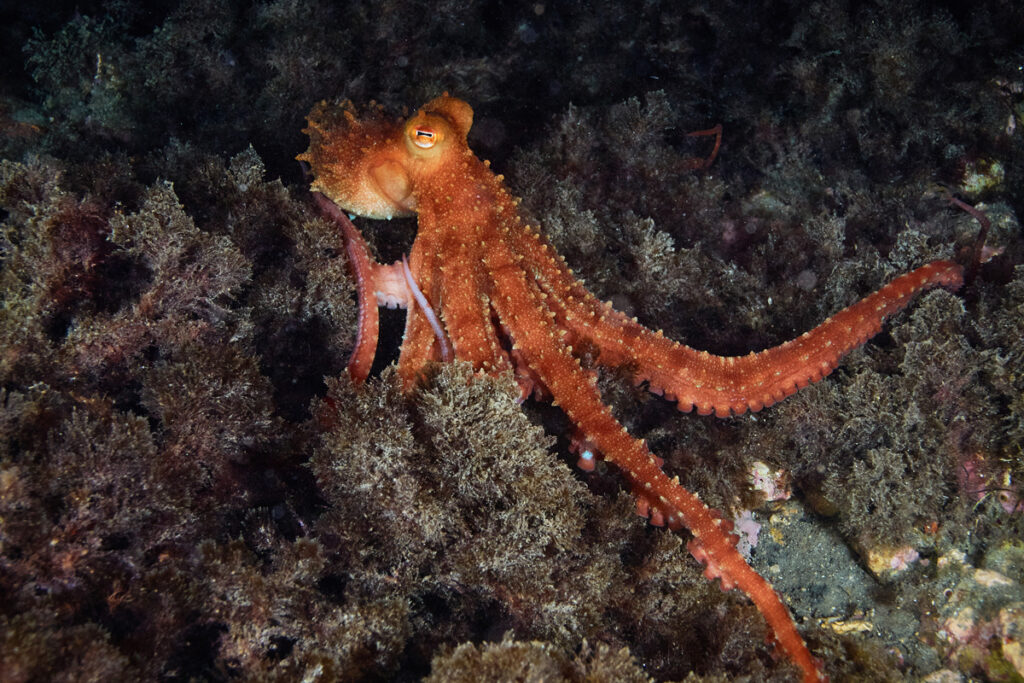
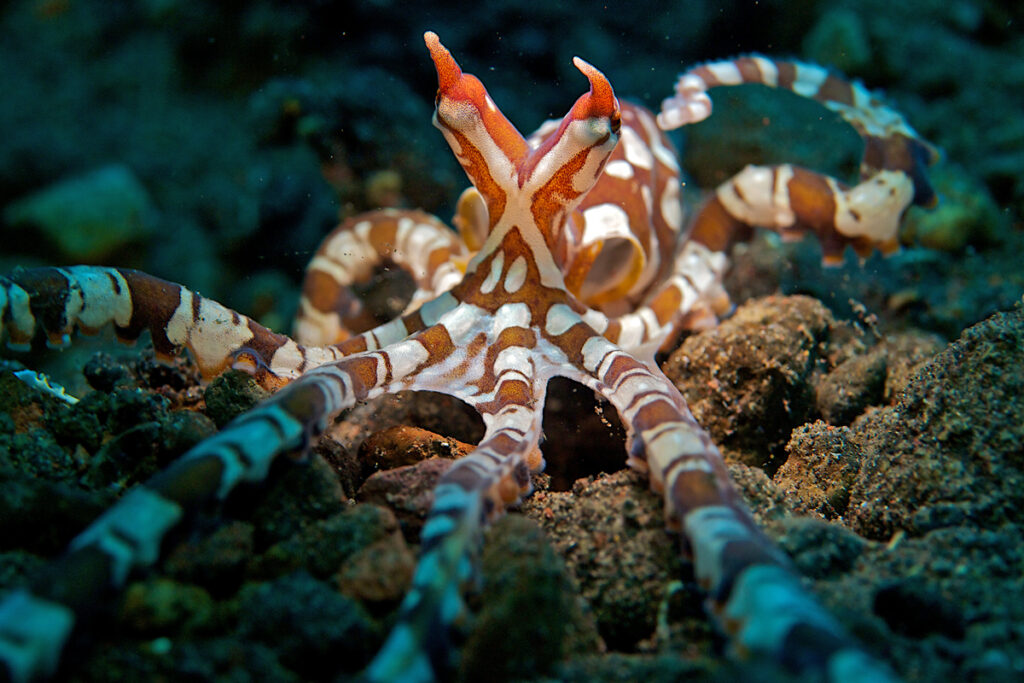
An octopus can think outside of its brain. Although the animal has a large central brain, shaped like a donut and located in its head, roughly two-thirds of its body’s neurons are located in its eight arms. This means that each arm can process information and carry out complex movements independently, responding to local information and coordinating actions on their own.
While the brain still provides overall coordination, much of the sensing, reaching, and handling of an octopus’ environment happens directly in the arms. Scientists have even observed octopus arms continuing to react to stimuli and perform simple movements even when separated from the body for over an hour, showing just how much control these flexible, stretchable limbs have.
Image Credit: Andrei/Adobe Stock
They Touch and Taste Their Way Around
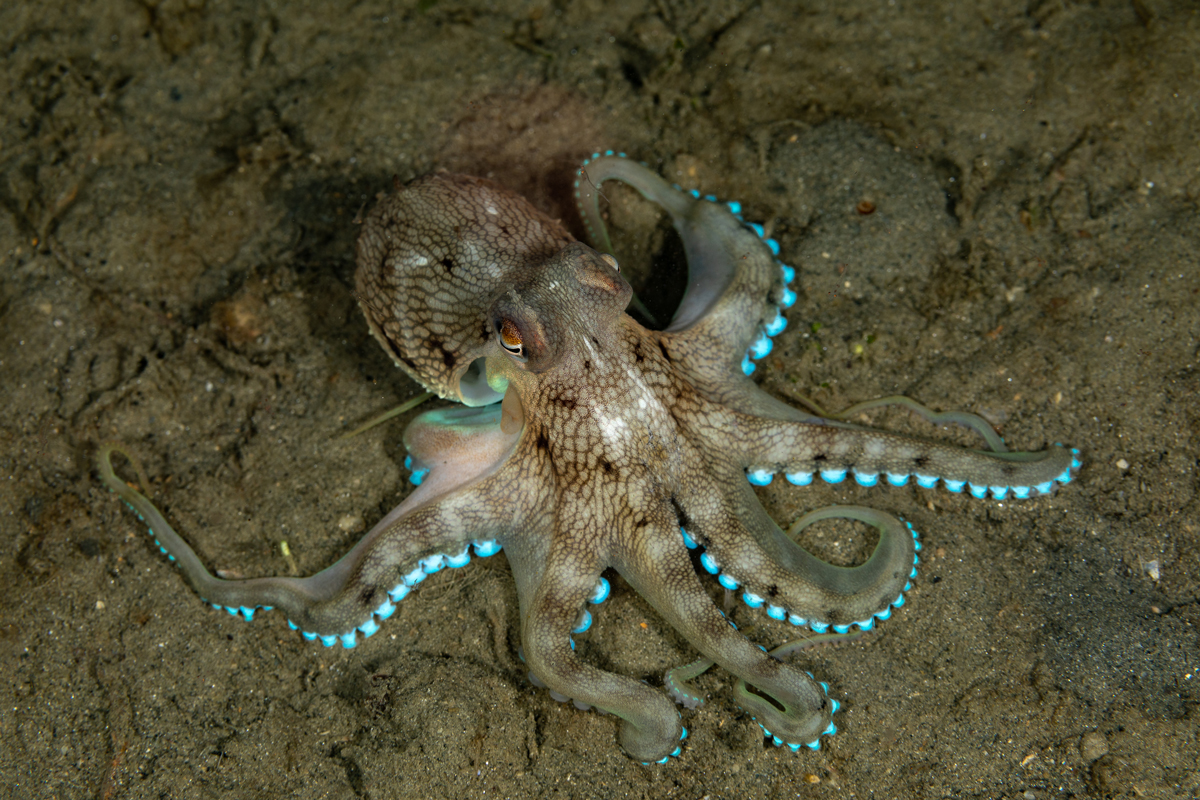
An octopus’ arm is also lined with rows of suckers. Don’t let their name fool you, though: Those suckers do far more than grip surfaces. Each one is packed with thousands of sensory receptors that allow it to both touch and taste objects at the same time. Scientists believe suckers can process some information independently, communicating with neighboring suckers to help an arm investigate its surroundings without waiting for instructions from the brain.
This is especially useful because many of the animals that octopuses eat spend their lives hidden. Crabs, clams, small fish, and other marine animals often shelter under rocks or are tucked inside of narrow nooks and crannies where they can’t be easily seen. Instead of relying solely on their (admittedly excellent) vision, an octopus can get a detailed picture of its surroundings by exploring them with their arms.
Image Credit: Pinosub/Adobe Stock
No Bones? No Problem
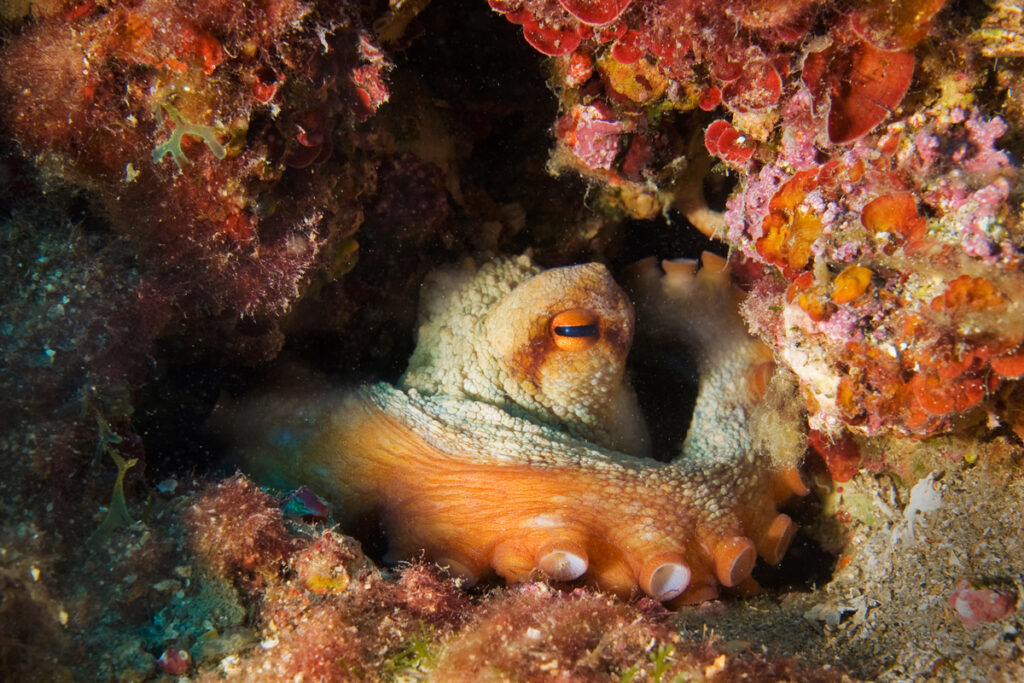
Unlike vertebrates, octopuses have no internal skeleton. The only hard part of their body is a sharp, parrot-like beak used to break apart the hard shells of its prey. Without bones to limit their movements, octopuses can stretch, twist, bend, and even squeeze through shockingly small spaces. If an opening is large enough for the beak to fit through, the rest of the body can usually fit too.
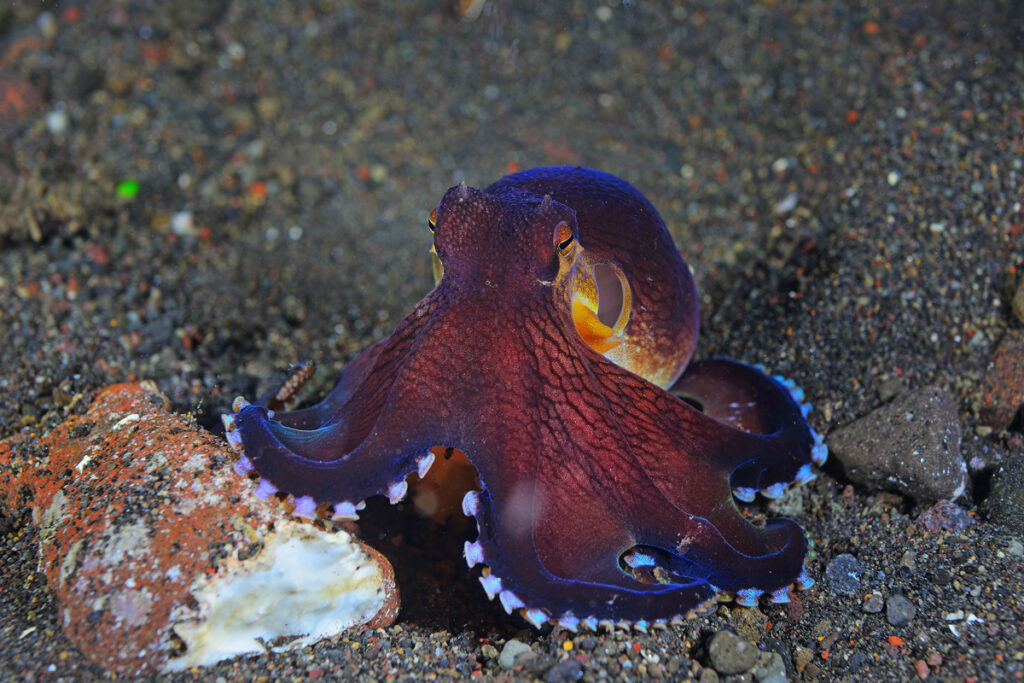
Though their soft body does leave octopuses vulnerable, it also helps them evade predators, slipping into places other hunters cannot reach. It also explains why octopuses have been known to escape from aquariums. Some species, such as the veined octopus, have even been observed collecting and carrying coconut shell halves, disappearing into them when threatened. This soft, highly adaptable body allows octopuses to move and behave in ways that would be impossible for more rigid animals, constantly reshaping itself to fit the situation.
Image Credit: John Anderson/Adobe Stock
Their Skin Can Put On a Dynamic Display
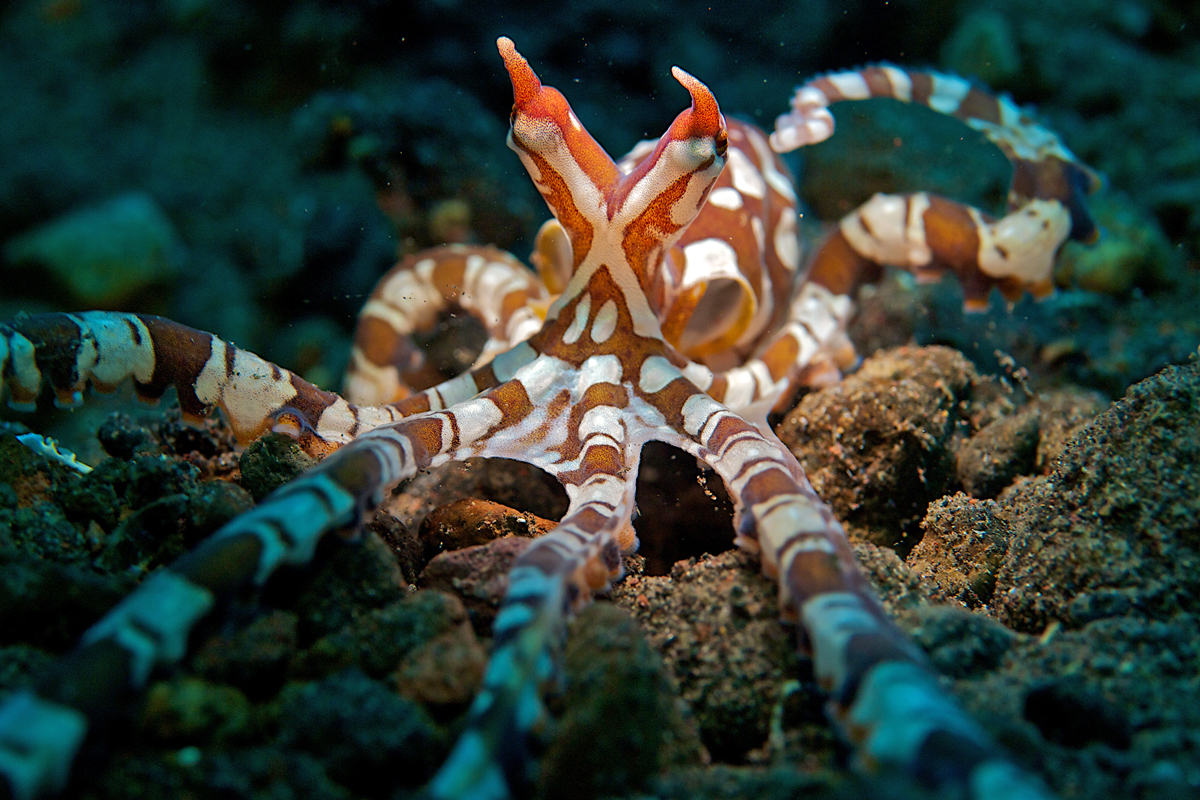
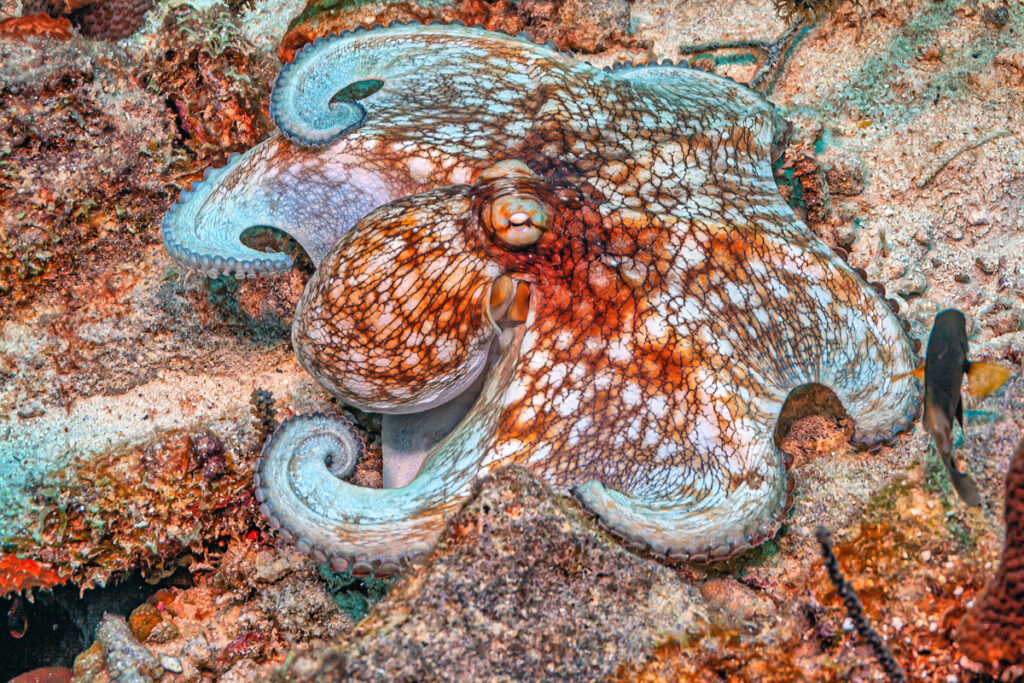
On octopuses’ skin is so much more than a protective covering. It’s also a dynamic display system that interacts with the world around it. Tiny pigment-filled cells called chromatophores allow an octopus to change color almost instantly. By expanding or shrinking these cells, they can blend into their surroundings or, thanks to additional organs such as iridophores and leucophores, even flash bold patterns across their skin in just fractions of a second.
Specialized muscles, meanwhile, also help them alter the texture of the skin, transforming a smooth surface into one that resembles rock, coral, or seaweed in fractions of a second. Camouflage helps octopuses avoid predators and sneak up on prey, of course, but it may also play a role in communication, with some species using color and patterns during encounters with rivals or potential mates.
Image Credit: A. Martin UWphoto/Adobe Stock
Three Hearts and Blue Blood
Many of the octopus’s unusual traits are hidden from view. Its circulatory system, for example, operates very differently from ours. Octopuses have three hearts: two pump blood to the gills, while a third circulates oxygen-rich, blue blood throughout the body. Why blue? That’s because the protein that transports oxygen in their blood, hemocyanin, contains copper instead of the iron-based hemoglobin found in humans and other vertebrates. This is particularly useful in the cold, low-oxygen, deep-sea environments where many octopus species live; hemocyanin transports oxygen efficiently under these conditions, helping them remain effective hunters.
This sophisticated circulation does have an interesting drawback. The heart responsible for supplying blood to the body actually stops beating while the animal swims. As a result, swimming can be exhausting, which is one reason octopuses often prefer to crawl along the seafloor instead.
Image Credit: zampa/Adobe Stock
An Intelligence Unlike Any Other
Octopuses are widely regarded as some of the smartest invertebrates on Earth. They can solve puzzles, use tools, navigate mazes, open containers, and learn through observation. Octopuses are extremely evolutionarily distant from humans — the last common ancestor shared by humans and octopuses lived over 700 million years ago — and yet they have independently developed complex intelligence.
Scientists are still working to understand exactly how octopuses perceive and process the world. What is already clear, however, is that nearly every aspect of their anatomy contributes to a unique way of experiencing life.
Advertisement
Octopuses Have Three Hearts
Fish 15/07/26Jul. 15, 2026
Updated 16/07/26Jul. 16, 2026
Image Credit: GeraldRobertFischer/Adobe Stock
Michael Nordine
Author
Michael Nordine is a Senior Staff Writer at Britannica, where he writes the newsletter Movie Brief. He grew up with eight cats and would like to see a Komodo dragon in the wild one day.
In addition to being exceptionally brainy, octopuses also have a lot going on in one of their other vital organs: the heart, or hearts, of which they have three. Two peripheral hearts pump blood to the gills, while the central heart pumps that oxygenated blood throughout the body. This unique arrangement also explains why the elusive creatures are known to prefer crawling along the seafloor rather than swimming: their third heart stops beating while they swim, which consumes more energy and tires them out faster than crawling. Work smart, not hard.
This isn’t the only oddity in octopuses. Octopus blood is blue, as it contains a copper-based oxygen carrier called hemocyanin that helps the cephalopods thrive at cold temperatures; human blood (and that of other vertebrates) is red because it contains hemoglobin, an iron-based oxygen carrier. Hemocyanin is a less efficient oxygen carrier than hemoglobin, leading some biologists to speculate that octopuses have three hearts to compensate for that deficiency.
Advertisement
Why Do Some Animals Drink Blood?
Across Species 14/07/26Jul. 14, 2026
Updated 14/07/26Jul. 14, 2026
Image Credit: Nick Gale
Nicole Villeneuve
Author
Nicole is a writer, editor, and researcher with over 15 years experience covering arts and culture, lifestyle, and media. Her work has also appeared in PureWow, Brit + Co, Exclaim, AUX TV, and CBC. She lives in Ontario, Canada.
To most creatures, blood may seem like an unlikely food source on its own. It’s not exactly easy to get at, hidden beneath skin and often protected by the claws, teeth, or swatting hands of the animal it belongs to. Yet throughout the animal kingdom, a surprising number of species — upwards of 30,000 — have evolved to feed on blood.
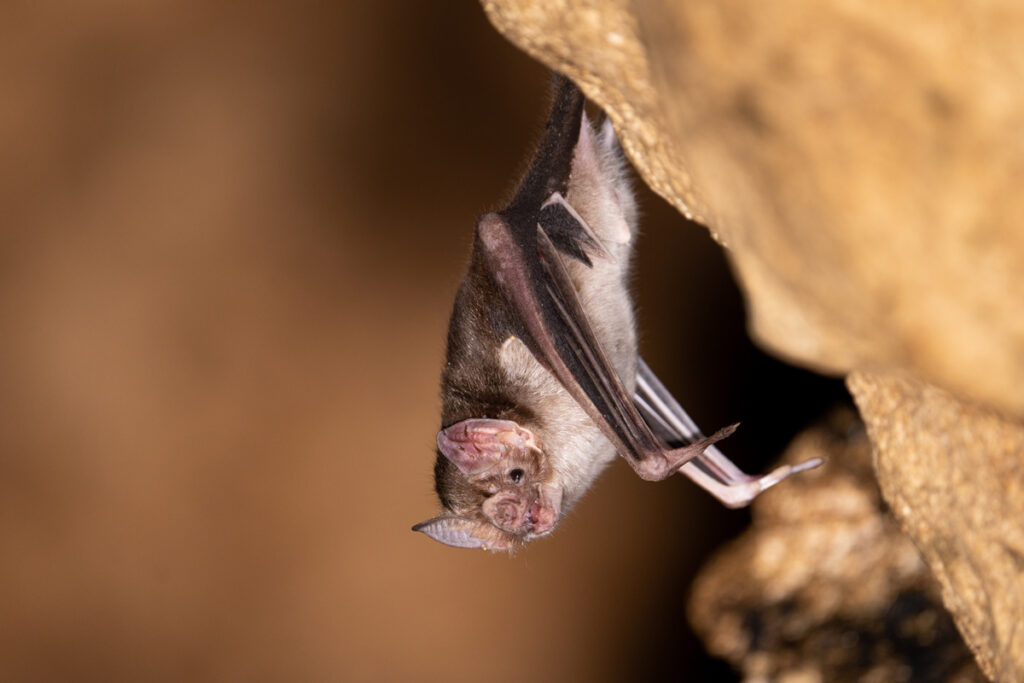
Several animals, from mosquitoes to ticks and, yes, even vampire bats, all rely on blood to survive. This is known as hematophagy, or blood feeding, and it has evolved independently many times in different groups of animals. So why does nature keep nurturing such a strange strategy?
Credit: maewshooter/Adobe Stock
Blood Feeding Is Ancient
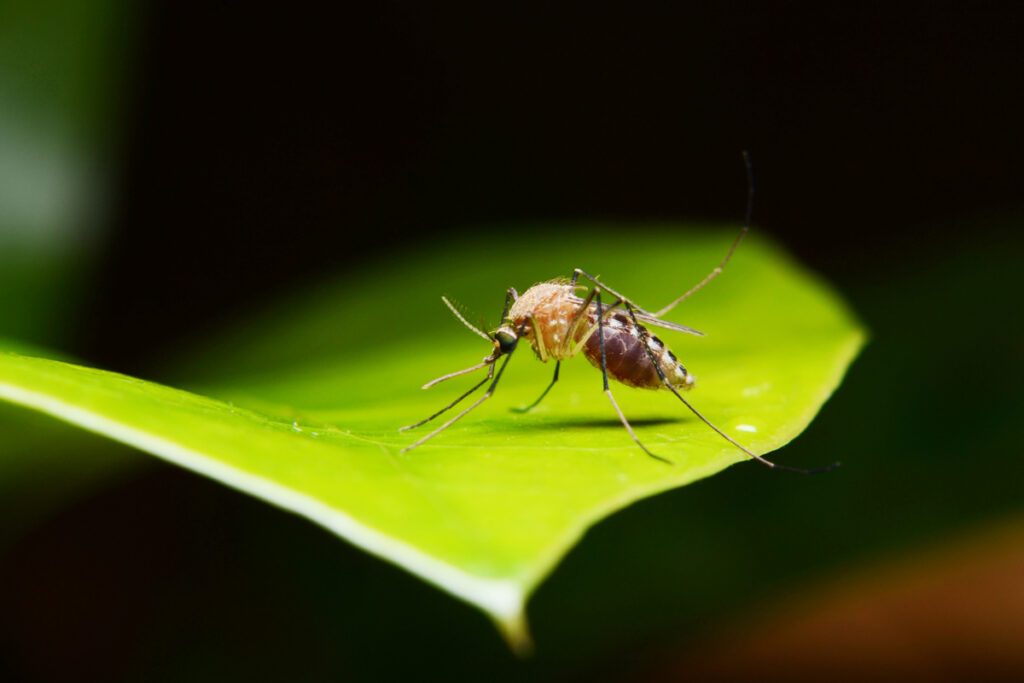
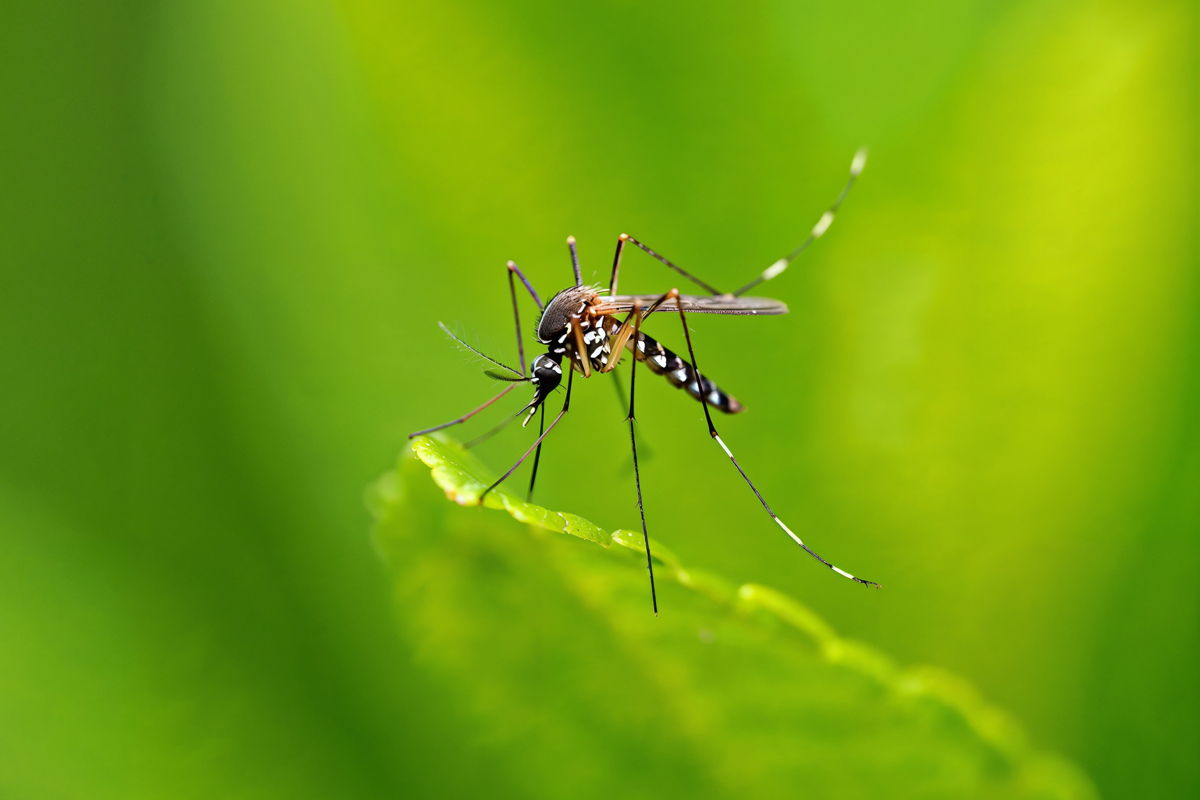
Mosquitoes are among the most familiar blood feeders today. The earliest mosquitoes likely appeared in the Jurassic over 130 million years ago, and even some of the oldest-known mosquito fossils already showed evidence of blood-feeding adaptations.
Today, only fertilized female mosquitoes feed on blood, using it as a source of protein and iron to develop their eggs. Males, by contrast, feed entirely on plant nectar. This split diet suggests that blood feeding didn’t replace plant feeding, but was instead adapted as a specialized reproductive strategy. Blood feeding, then, likely emerged as an added tool — a way to unlock a valuable resource when the opportunity arose.
Despite being relatively difficult to access, some animals continue to seek it out for its many beneficial nutrients. Blood is rich in proteins, lipids, salts, and iron — important parts of growth and reproduction. For a small animal, a single feeding of blood can provide far more nutrition than many plant-based meals combined.
Blood is also relatively predictable. Unlike food sources that fluctuate seasonally, vertebrate animals are widespread and available year round. Although hematophagy remains rare overall, the high payoff and steady availability of blood helps explain why it has evolved repeatedly.
There is another advantage: Unlike leaves, wood, or even many seeds, blood contains nutrients in a liquid form that can be absorbed more quickly. For small animals with limited feeding opportunities, that efficiency matters. A mosquito, for example, may only have a moment to feed before being smacked or swatted away, making a concentrated meal especially desirable.
Credit: Griffin/Adobe Stock
The Blood Feeder’s Dilemma
Of course, blood is found inside living, reactive hosts that will actively try to prevent being fed on, so getting to it is not always straightforward. Blood-feeding animals have evolved specialized tools to attempt to solve that problem.
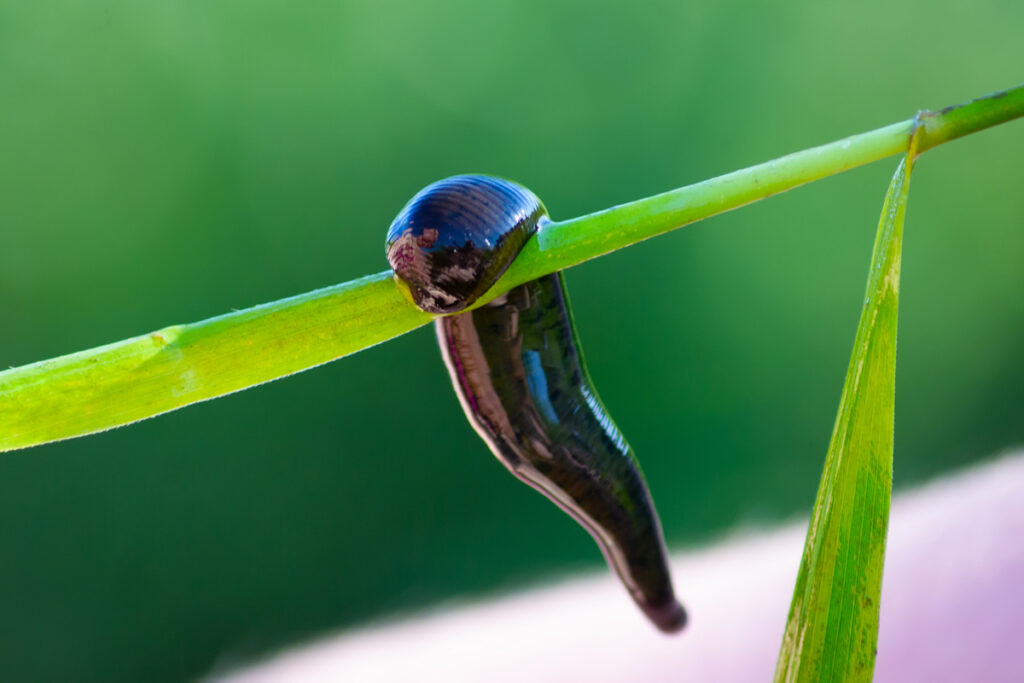
Mosquitoes, for example, use six needle-like mouthparts to pierce skin and locate blood vessels, while their saliva contains a chemical concoction that prevents clotting and reduces pain. Ticks anchor themselves with barbed mouthparts that can remain embedded for days. Leeches secrete a powerful natural anticoagulant called hirudin that keeps blood flowing freely. And vampire bats use their razor-sharp teeth to create small incisions while their saliva prevents clotting. They have also evolved unique heat-sensitive receptors that help them locate the best feasting areas on their hosts.
Feeding on blood also presents other challenges. Blood is very high in iron and proteins but relatively low in some vitamins, and consuming large amounts can expose animals to potentially harmful levels of iron. Many blood-feeding species have evolved specialized digestive systems or excretory processes that help them process excess nutrients and avoid toxicity.
Credit: Jurgens/Adobe Stock
A Pattern That Keeps Repeating
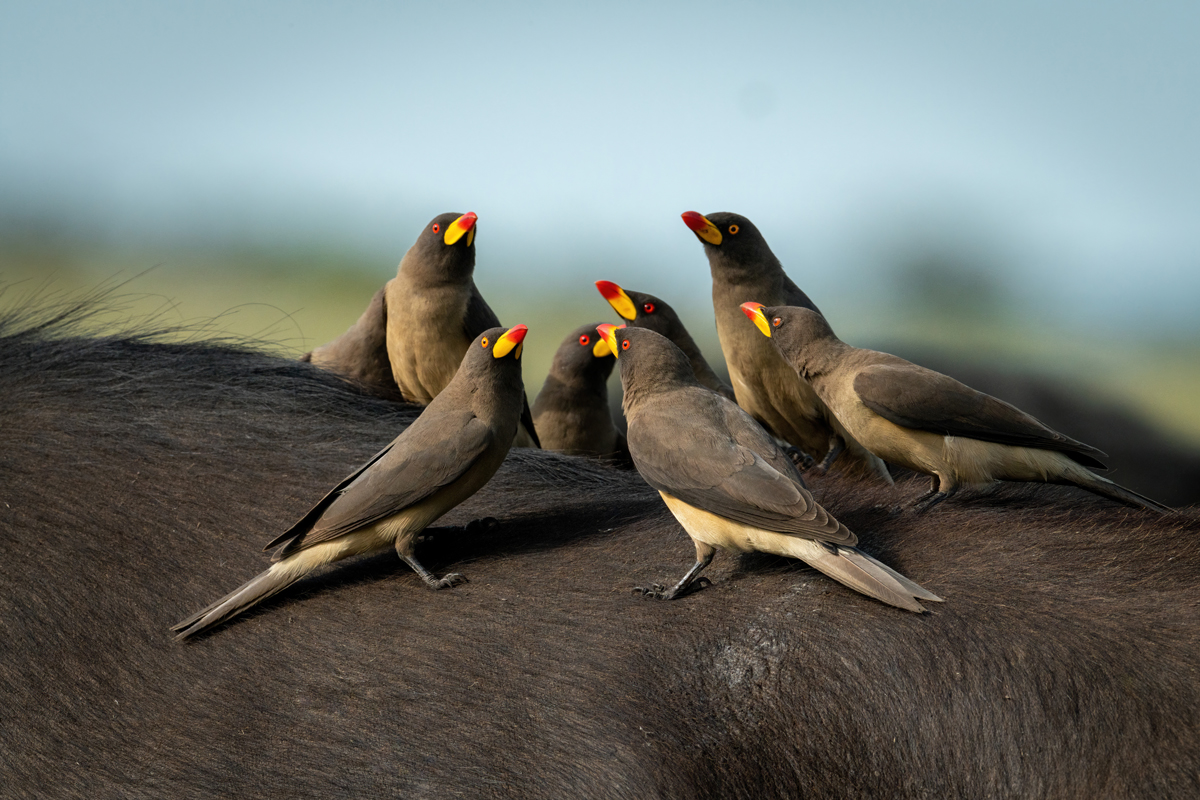
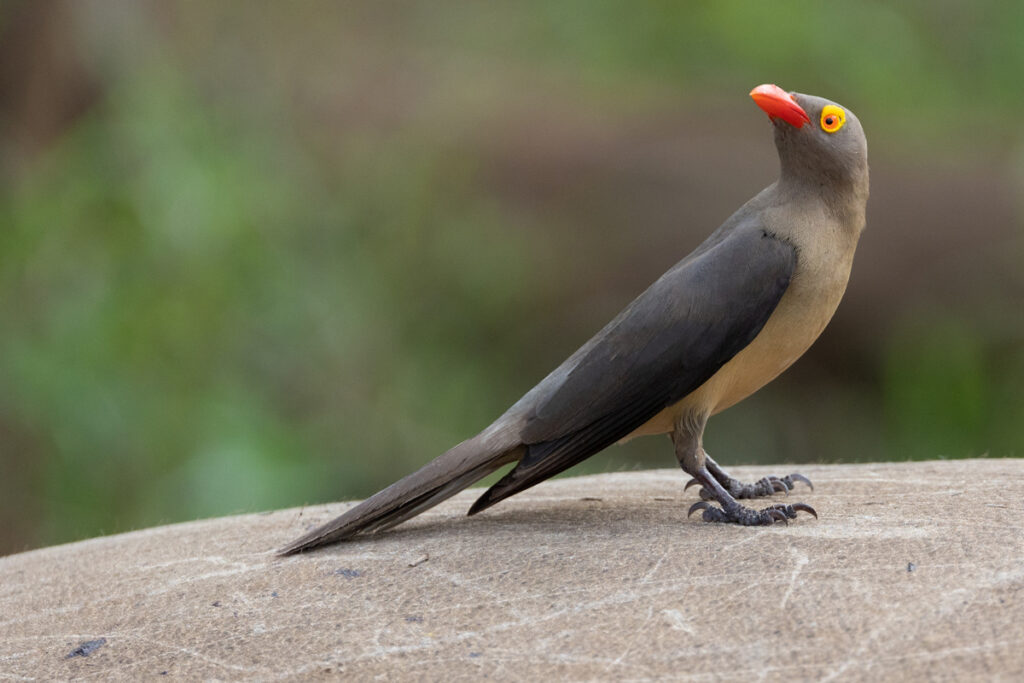
Blood feeding has evolved independently in different groups of animals: Mosquitoes are insects, ticks are classified as arachnids, leeches are segmented worms, oxpeckers are birds, and vampire bats are mammals. These groups are separated by hundreds of millions of years of evolution, yet they were all drawn in by the same opportunity: a resource that is valuable, abundant, and accessible with the right techniques. Blood-feeding animals may seem strange from a human perspective, and for animals, hematophagy can definitely be difficult and risky. But the misunderstood practice has proved valuable enough to evolve repeatedly throughout the animal kingdom.
Kellie is a writer and editorial strategist covering topics in travel, trivia, nature, and more. When she's not writing you can find her drinking Diet Coke.
Ever wondered why mosquitoes seem determined to bite you while leaving everyone else alone? Your blood type could be part of the answer. Some early studies have shown mosquitoes demonstrating a preference for Type O blood over Type A or B — but that’s only one piece of the puzzle.
Mosquitoes don’t actually know your blood type before they bite. Instead, they home in on a combination of clues, including the carbon dioxide you exhale, your body heat, chemicals in your sweat, and even the unique community of bacteria living on your skin. Once they land, compounds associated with certain blood types may encourage them to stick around. Pregnancy, alcohol consumption, genetics, and even the color of your clothing can also make you more appealing to these tiny bloodhounds.
Kellie is a writer and editorial strategist covering topics in travel, trivia, nature, and more. When she's not writing you can find her drinking Diet Coke.
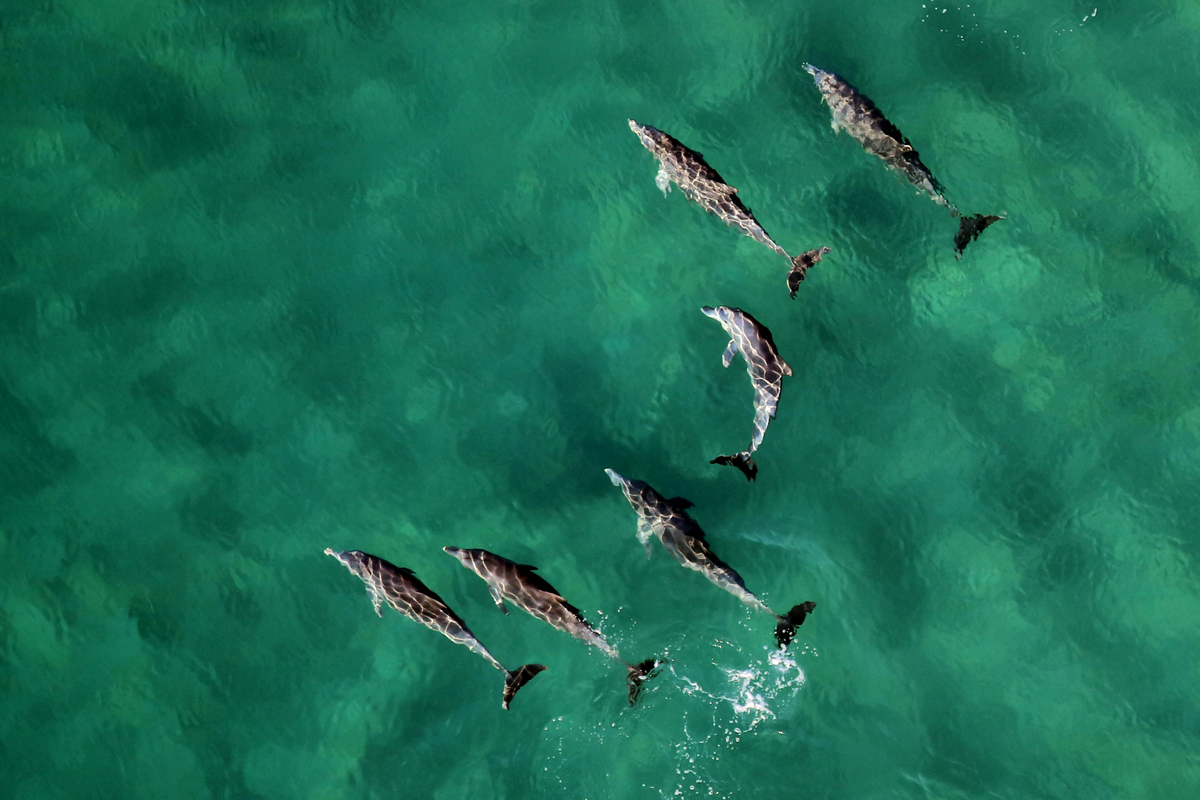
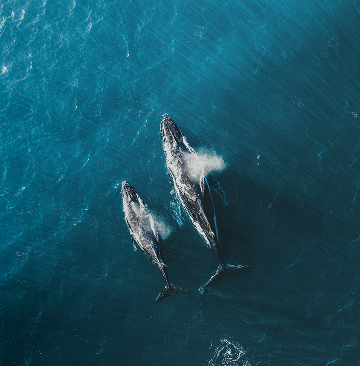
Imagine if every meal tasted exactly the same. For dolphins and whales, that’s pretty close to reality. While humans experience five basic tastes — sweet, salty, sour, bitter, and umami — these marine mammals appear to detect taste salt. Millions of years ago, mutations in their ancestors disabled most of the taste receptors found on the tongue, leaving salt as the lone survivor. Living in the ocean, that’s not exactly the most exciting flavor.
Taste isn’t just about enjoying food — it’s also a tool for evaluating what we eat. Most vertebrates rely on it to help distinguish nutritious foods from those that are spoiled, bitter, or potentially harmful. Dolphins and whales, however, swallow their prey whole, so over time, they simply stopped relying on most of their sense of taste.
Kellie is a writer and editorial strategist covering topics in travel, trivia, nature, and more. When she's not writing you can find her drinking Diet Coke.
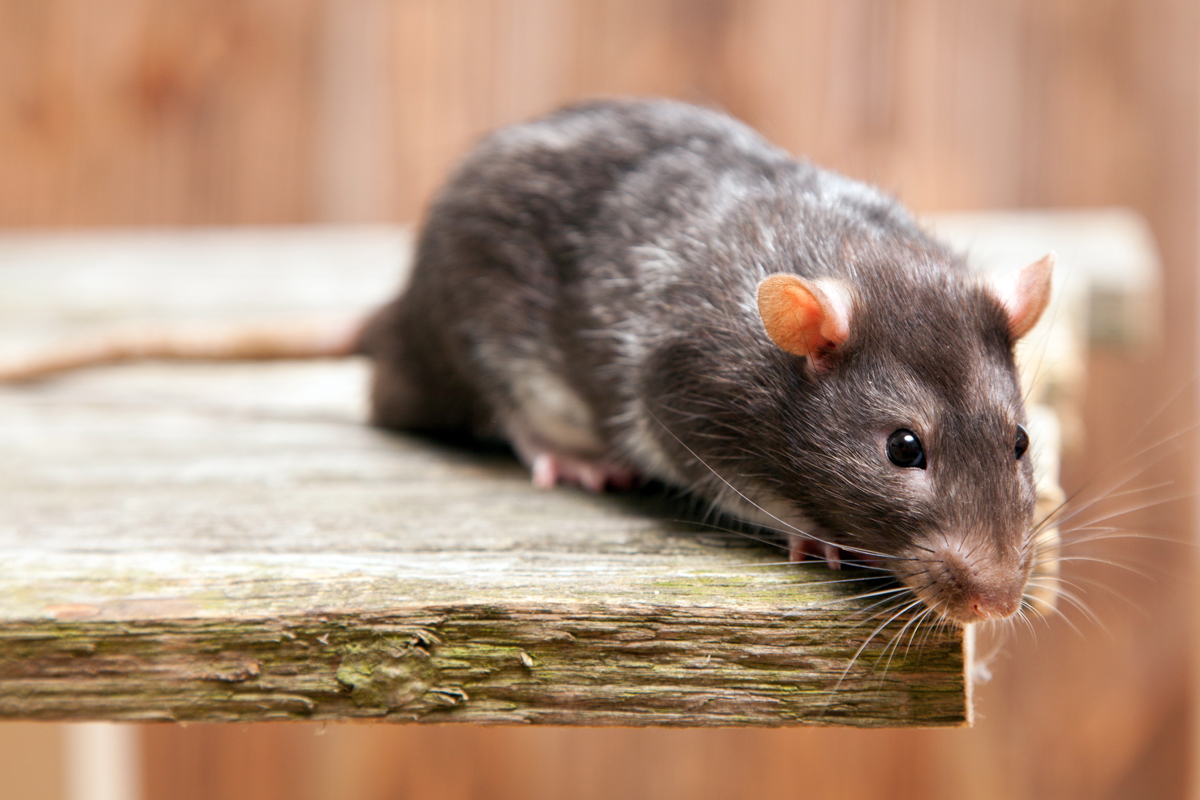
Tell them a good knock-knock joke, and rats won’t blink an eye. But tickle their soft spots and they’ll burst into laughter — it’s just too high-pitched for humans to hear. Researchers have found that tickled rats emit ultrasonic squeaks of delight and have even identified the part of the brain responsible for this joyful response.
Rats are surprisingly playful. They chase one another, wrestle, and even play games that resemble tag and hide-and-seek. Better yet, they often come back for more, eagerly seeking out another round of tickles — especially on their backs and bellies.
Kellie is a writer and editorial strategist covering topics in travel, trivia, nature, and more. When she's not writing you can find her drinking Diet Coke.
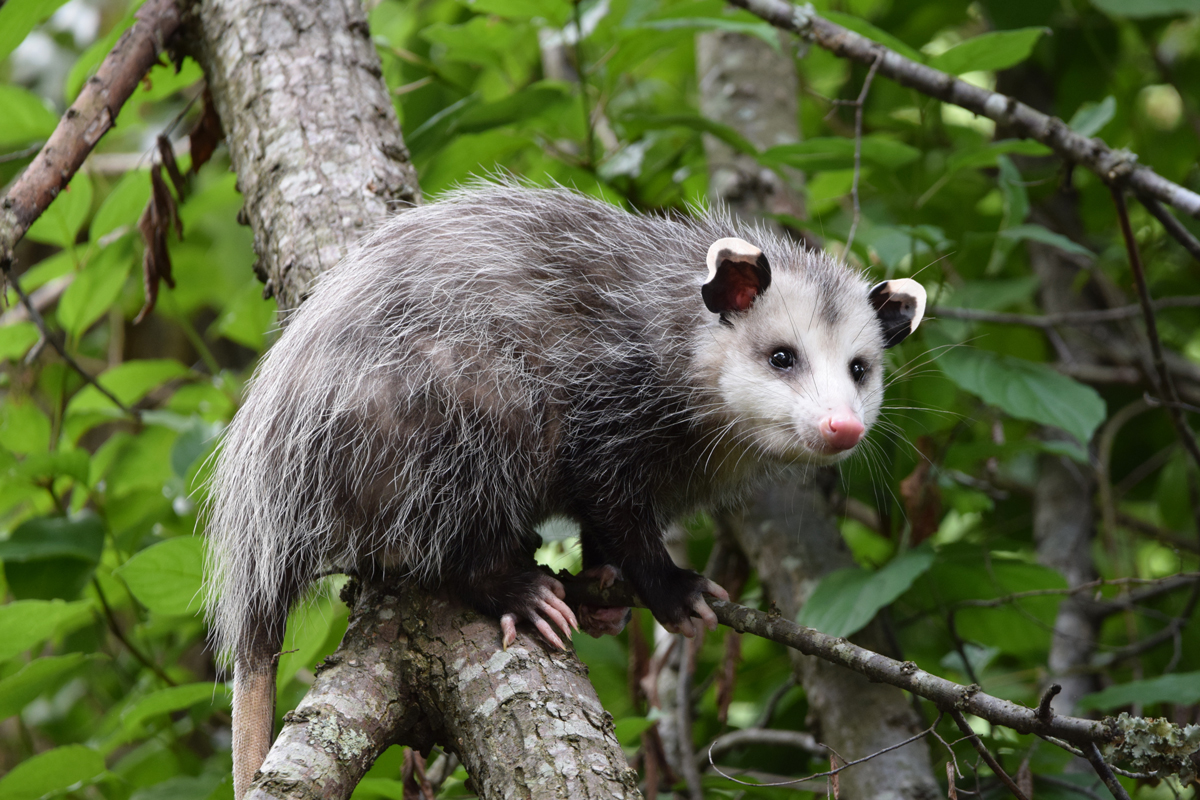
North America’s only marsupial already has an impressive résumé. Opossums are naturally resistant to rabies thanks to their unusually low body temperatures, and they can withstand many snake venoms thanks to protective compounds in their blood. But perhaps their strangest superpower only appears after dark.
Shine an ultraviolet light on a Virginia opossum, and its pale fur glows a brilliant hot pink. This phenomenon, known as biofluorescence, occurs when an animal absorbs ultraviolet light and re-emits it as a visible color. Scientists have discovered biofluorescence in everything from flying squirrels to platypuses, but they still aren’t entirely sure why some mammals glow. It may help with communication or camouflage — or it could simply be an unexpected byproduct of their fur.
Advertisement
Your Daily Guide to the Animal Kingdom
Get to know the animals that share our planet with this daily newsletter.
Success! Welcome to Animal Facts.
Check your inbox for your daily email.
Sorry, your email address is not valid. Please try again.