Tony is an English writer of nonfiction and fiction living on the edge of the Amazon jungle.
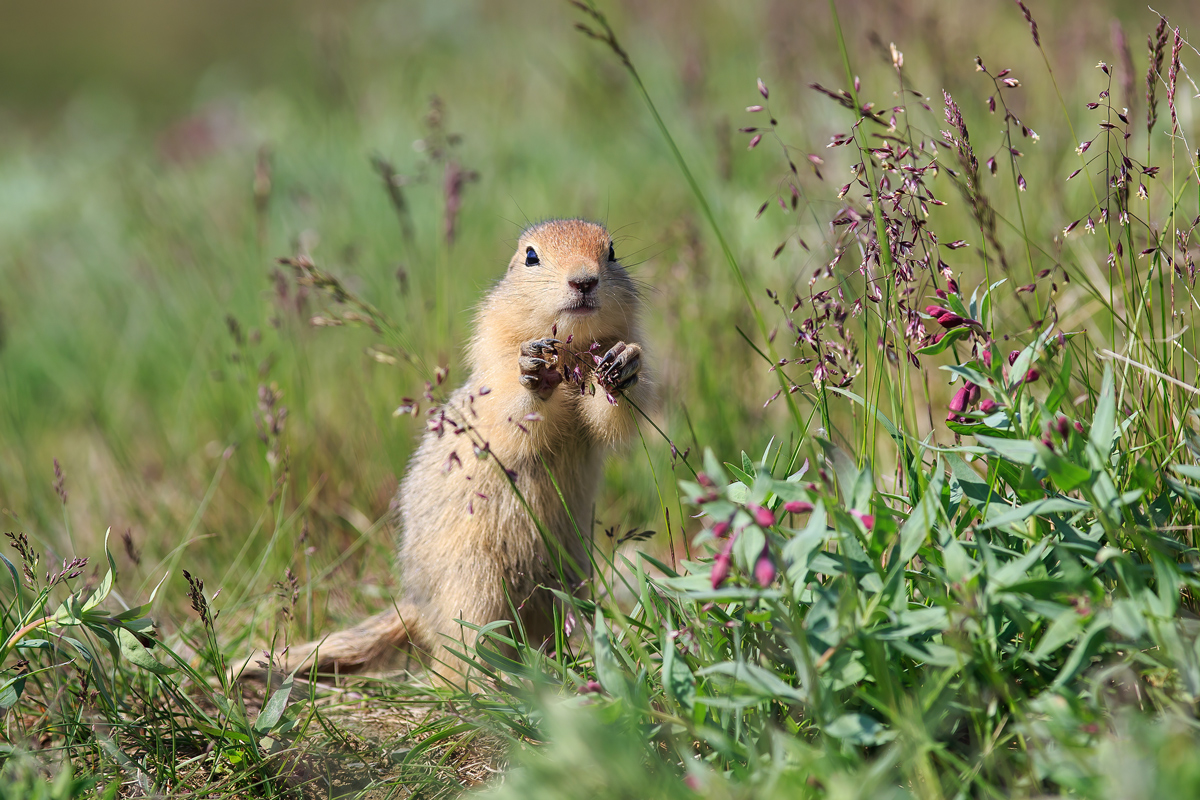
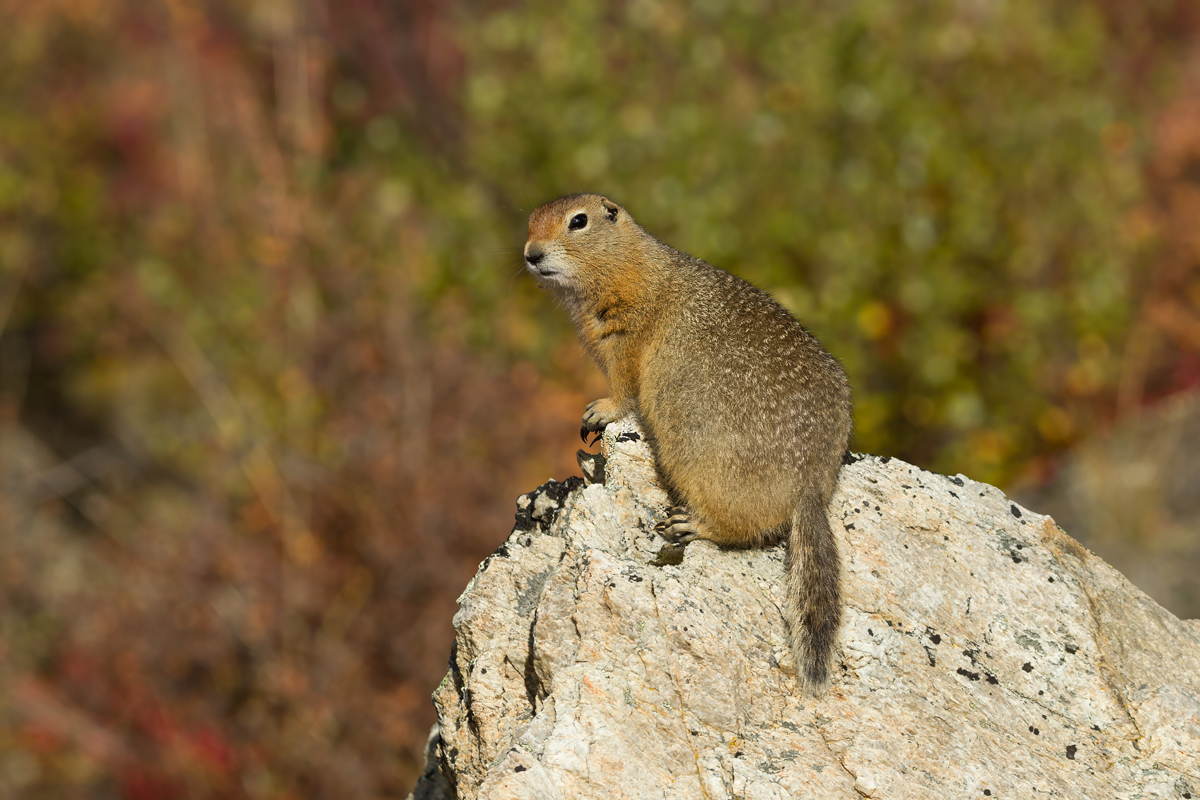
Arctic ground squirrels are — for part of the year, at least — quite literally the coolest mammals on Earth. During hibernation, which can last up to eight months in the frigid Alaskan winter, these squirrels lower their core body temperature to approximately 26 degrees Fahrenheit — below the freezing point of water. They’re the only known warm-blooded mammals capable of supercooling their bodies this way.
They achieve this feat of suspended animation by slowing their metabolisms to a fraction of the normal rate. Their bodies become so cold, and their breathing and heartbeat so slow, that it’s hard to tell if they’re still alive. Many of their brain cells and synapses die off during this process but rapidly regenerate as the animals emerge from hibernation.
Advertisement
Can Animals Get Frostbite?
Across Species 03/08/26Aug. 3, 2026
Updated 03/08/26Aug. 3, 2026
Credit: Matt Bango/Unsplash.com
Kristina Wright
Author
Kristina is a coffee-fueled writer living happily ever after with her family in the suburbs of Richmond, Virginia.
Your pet may seem perfectly happy bounding through the snow, and wildlife may appear built for even the harshest winter conditions. But while many species have incredible adaptations to help them survive freezing temperatures, even the best natural defenses have limits.
Some animals are specifically built for life in extreme cold: Polar bears, penguins, Arctic foxes, seals, and othercold-climate creatures have evolved to handle conditions that would be dangerous or even deadly for most species. They rely on thick insulation, specialized circulation, body shape, and strategic behaviors that help them conserve heat. Creatures that live in more moderate climates, meanwhile, often lack those extreme adaptive traits and can be much more vulnerable when exposed to prolonged freezing temperatures.
When temperatures plunge, animals face the same basic challenge humans do: retaining enough heat inside the body to survive. So when they struggle to do that, do they also risk frostbite like we do? Let’s take a look.
Credit: Ian Parker/Unsplash.com
How Does Frostbite Happen?
Frostbite occurs whenbody tissues freeze, causing ice crystals to damage cells and blood vessels. The greatest risk is in exposed areas of the body with less insulation and reduced blood flow, including ears, tails, paws, noses, feet, and other extremities.
The body responds to cold by narrowing blood vessels in the extremities, directing warm blood toward vital organs such as the heart and brain. This process, known as vasoconstriction, helps protect essential organs but leaves exposed tissues more vulnerable. Wind, moisture, and contact with snow, ice, or frozen ground can accelerate heat loss and increase the risk of injury.
If tissues remain cold for too long, blood flow can slow dramatically or even stop, allowing ice crystals to begin forming inside cells and damaging their structure. When the tissue warms up again, the return of blood flow can trigger inflammation and cause additional damage.
Animals experience the same biological process as humans. Any species exposed to severe cold for a long enough period can develop frostbite if its natural defenses are overwhelmed.
Credit: Henner Damke/Adobe Stock
Even Arctic Animals Have Limits
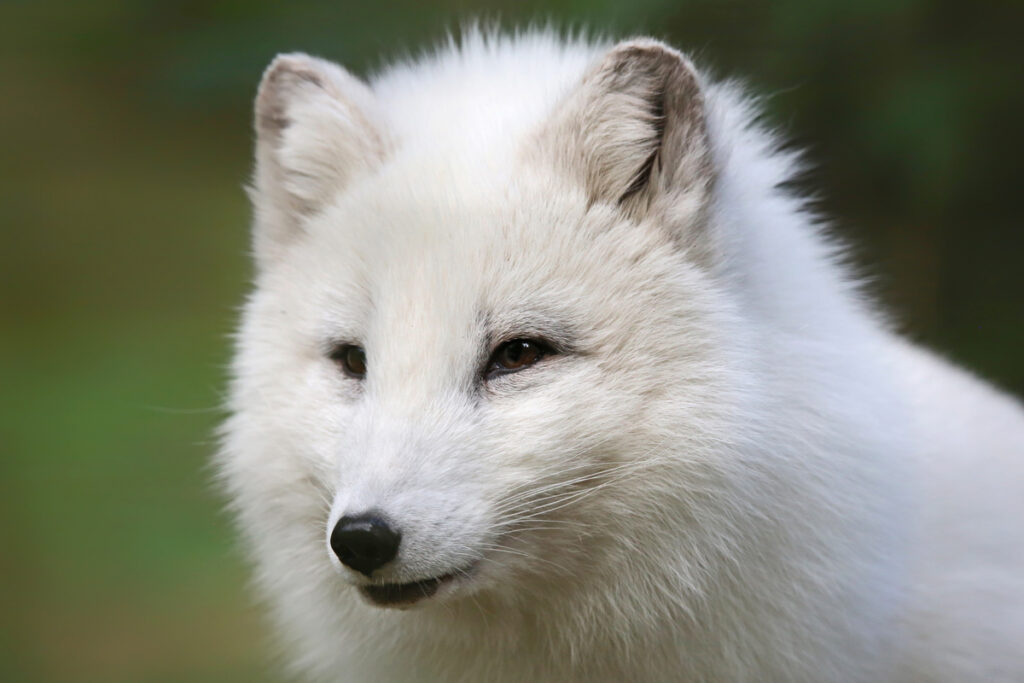
Animals that thrive in freezing environments have evolved remarkable strategies for surviving the cold. Arctic foxes, for example, grow dense seasonal coats and have fur-covered paws that provide insulation while traveling across snow and ice. Polar bears combine thick fur with a deep layer of blubber that traps body heat, while seals and other marine mammals depend heavily on blubber to stay warm in icy water.
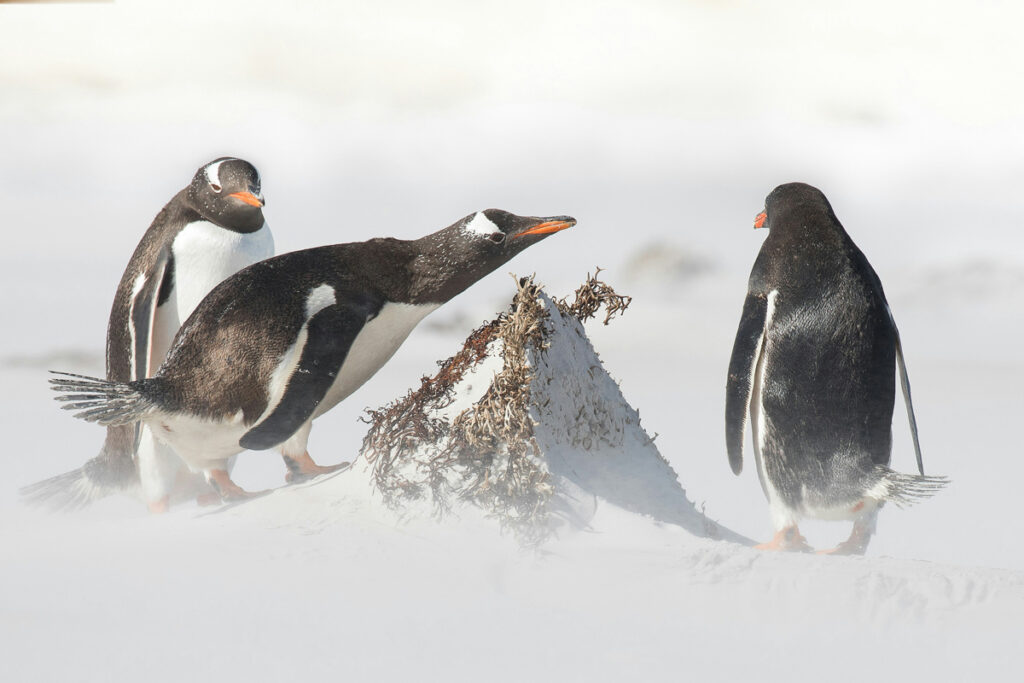
Penguins and some Arctic and Antarctic mammals use a specialized adaptation called countercurrent heat exchange. In these animals, arteries carrying warm blood run alongside veins returning colder blood from the extremities. Heat transfers between those vessels before the blood reaches the feet, flippers, or paws, helping maintain core body temperature while reducing heat loss.
Many cold-weather species also benefit from body shapes and behaviors that help conserve heat. Compact bodies reduce the amount of surface area exposed to the cold, while thick layers of insulation prevent heat from escaping. Animals may curl into tight positions, tuck their feet beneath their bodies, huddle together for warmth, or seek shelter in dens, burrows, tree cavities, or beneath snow.
However, those adaptations are designed to improve animals’ survival, not make them immune to freezing injuries. Young, elderly, injured, or malnourished animals are especially vulnerable, as are those caught in prolonged storms, freezing rain, or unusually harsh conditions.
Wet fur loses much of its insulating ability, and strong winds can diminish body heat much faster than still air. During extreme winters, even animals that are specially adapted to cold environments can develop frostbite.
Credit: Matt Bango/Unsplash.com
Can Our Pets Get Frostbite?
Domestic animals are also vulnerable to frostbite, especially if they spend long periods outdoors during severe winter weather. Dogs and cats most commonly develop frostbite on exposed areas such as their ears, tails, paws, and noses.
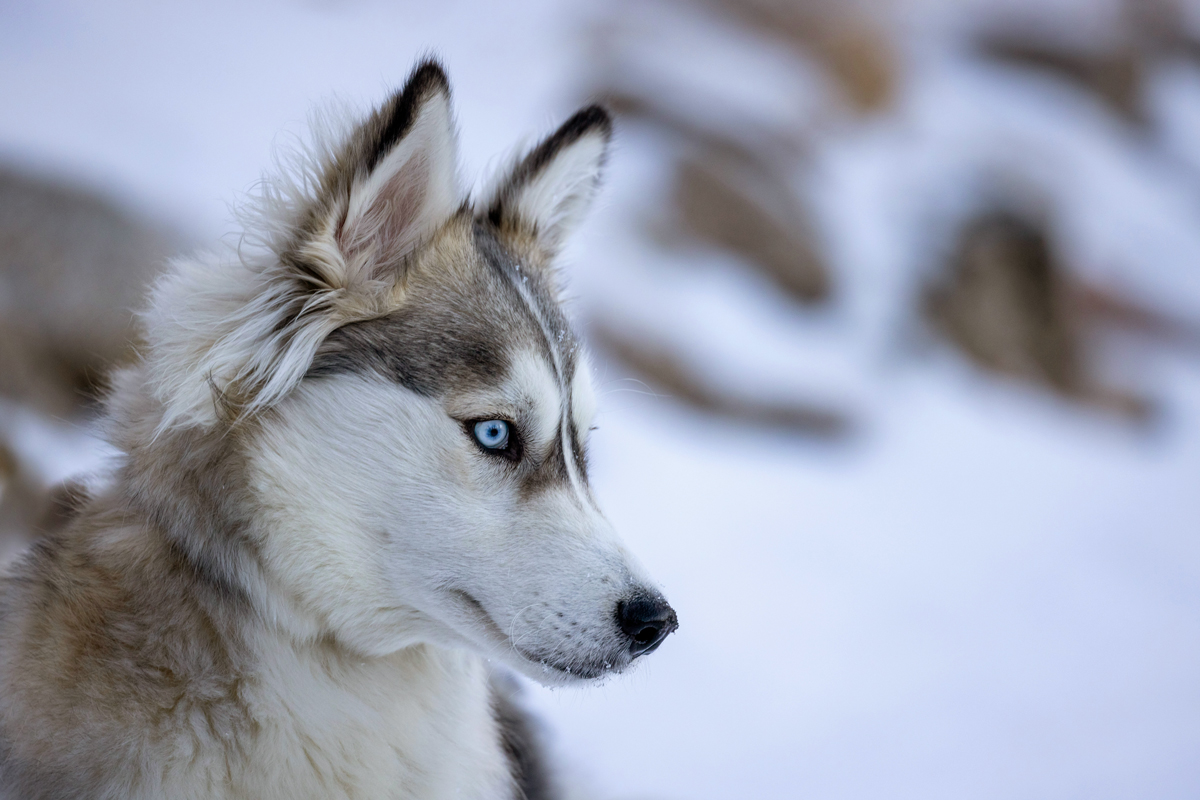
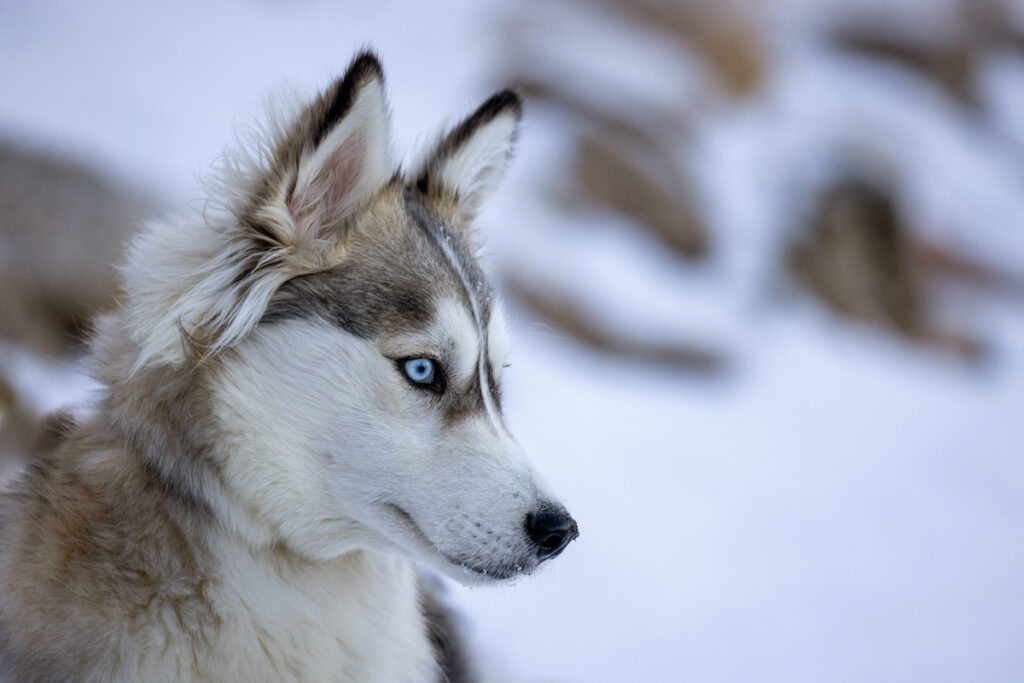
Some breeds are better equipped for cold conditions than others. Cold-weather dogs such as the Alaskan Malamute and Siberian Husky have thick double coats that provide insulation, while cat breeds such as the Maine Coon and Norwegian Forest Cat have dense, insulating coats that help them better tolerate cold temperatures.
But again, those adaptations only slow heat loss; they don’t make pets immune to frostbite. Even hardy breeds can suffer injuries to exposed tissues during prolonged exposure to freezing temperatures, wind, snow, or ice. (Any pet suspected of having frostbite should be examined by a veterinarian as soon as possible.)
Whether in the wild or at home, safely surviving the winter depends on maintaining a balance between conserving heat and avoiding exposure. Frostbite is a reminder that even the most impressive cold-weather adaptations have limits when temperatures become extreme.
Advertisement
Some Snails Can Hibernate for Three Years or More
Across Species 03/08/26Aug. 3, 2026
Updated 03/08/26Aug. 3, 2026
Credit: Krzysztof Niewolny/Unsplash.com
Bennett Kleinman
Author
Bennett Kleinman is a New York City-based staff writer for Inbox Studio. He is also a freelance comedy writer, devoted New York Yankees and New Jersey Devils fan, and thinks plain seltzer is the best drink ever invented.
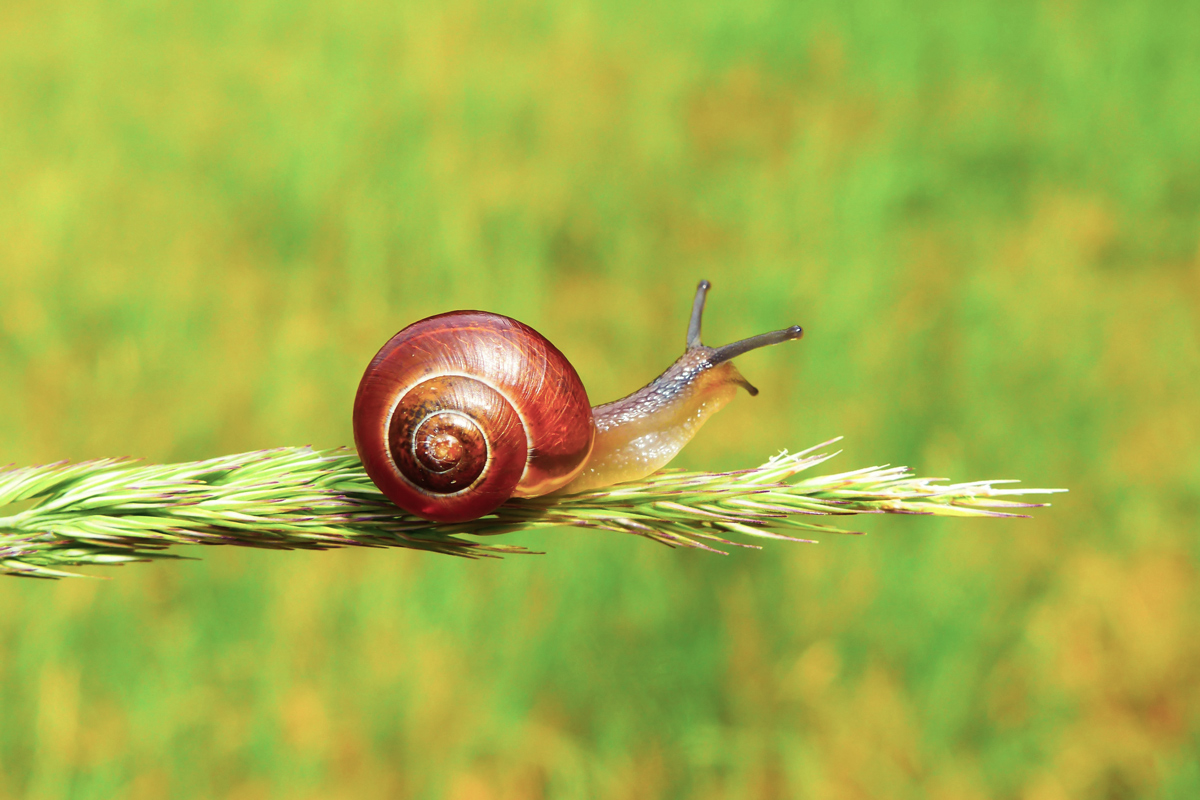
Much like many snowbirds (human and avian) who travel south for winter, most snails have a tough time handling cold weather. Snails often enter prolonged states of hibernation, sealing off their shells with an insulating calcified membrane called an epiphragm. While many snails emerge from hibernation after a few months, certain species can hibernate for years at a time.
This revelation came to light in 1846, when a snail of the species Eremina desertorum — which was believed to be dead — was taken from Egypt to be displayed at the British Museum. More than three years later, curators noticed that the snail had woken up after an impressively prolonged rest. Snails may also enter a state of estivation, which, unlike hibernation, is done to survive in extremely hot environments. This process, too, can last for at least three years.
Advertisement
Which Animals Hibernate the Longest?
Across Species 03/08/26Aug. 3, 2026
Updated 03/08/26Aug. 3, 2026
Credit: Stan/Adobe Stock
Nicole Villeneuve
Author
Nicole is a writer, editor, and researcher with over 15 years experience covering arts and culture, lifestyle, and media. Her work has also appeared in PureWow, Brit + Co, Exclaim, AUX TV, and CBC. She lives in Ontario, Canada.
When temperatures drop and food becomes scarce, some animals do more than simply retreat from the cold and sleep. In true hibernation, their metabolism slows to a crawl, their body temperature plummets, and their heart and breathing rates dramatically drop, allowing them to survive for months without eating.
While many animals enter some form of seasonal dormancy, true hibernators undergo major physiological changes that allow them to survive while staying inactive for far longer than most animals. Here are five species with the longest documented periods of true hibernation.
Credit: Geza Farkas/Adobe Stock
Edible Dormice
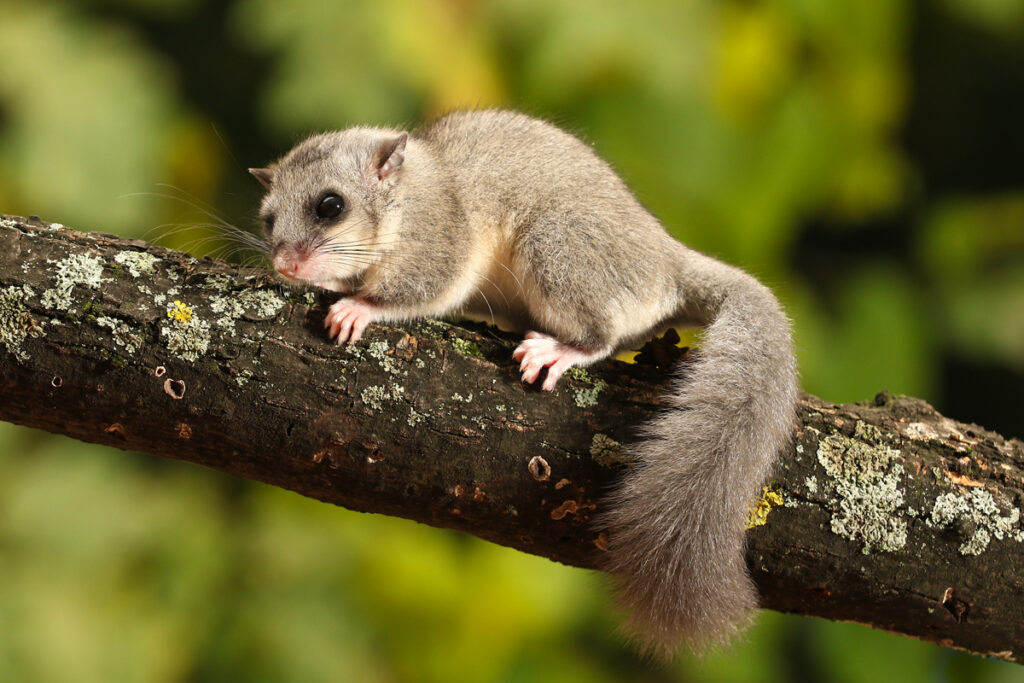
Found across most of Europe and parts of western Asia, these tiny animals can spend a little more than 11 months of the year in hibernation, making them one of the longest known hibernators. But their unusually long sleep isn’t just about surviving cold winters: Edible dormice depend heavily on tree seeds, which can vary dramatically in volume from year to year.
When food supplies are poor, they may delay reproduction and remain underground rather than waste energy during an unproductive season. When food becomes abundant again, they emerge ready to take advantage.
Credit: Stan/Adobe Stock
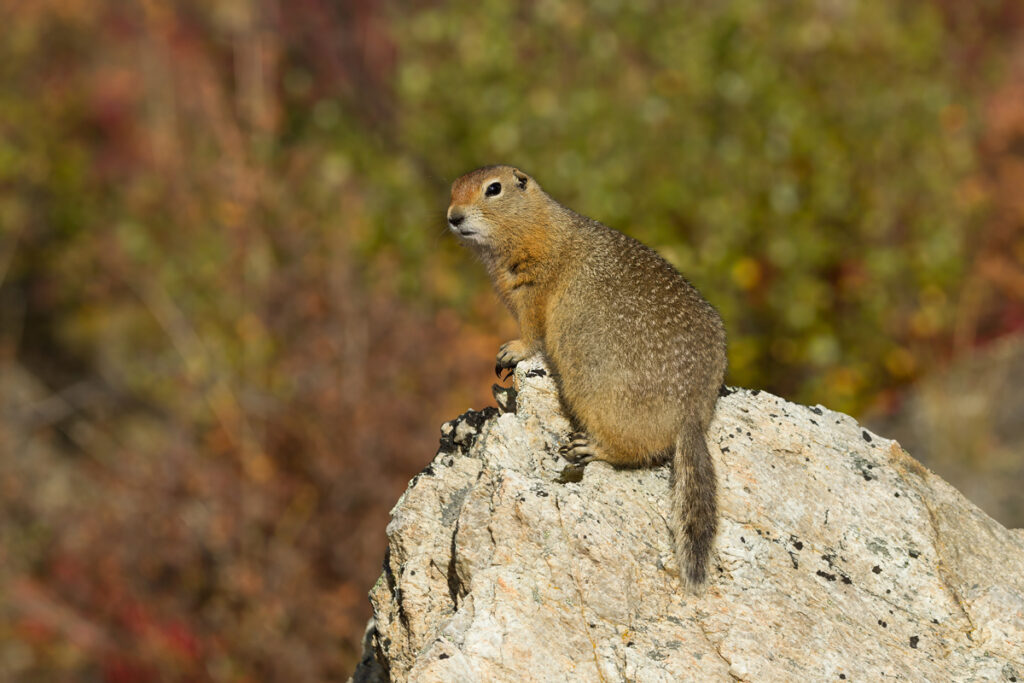
Arctic Ground Squirrels
Arctic ground squirrels take hibernation to an extreme. These small rodents, who stay in their underground dens for up to nine months, can lower their core body temperature below freezing. In a process known as supercooling, the critters can get as cold as 26 degrees Fahrenheit, the lowest recorded in any mammal.
To survive the frigidity, Arctic ground squirrels enter cycles of deep hibernation followed by periods of warming in which their body temperature briefly rises before returning to their cold, energy-saving state. This unique ability has made them a subject of keen scientific interest, inspiring studies that could lead to new medical treatments for heart attacks, strokes, and brain injuries.
Credit: Benoit Terrier/Unsplash.com
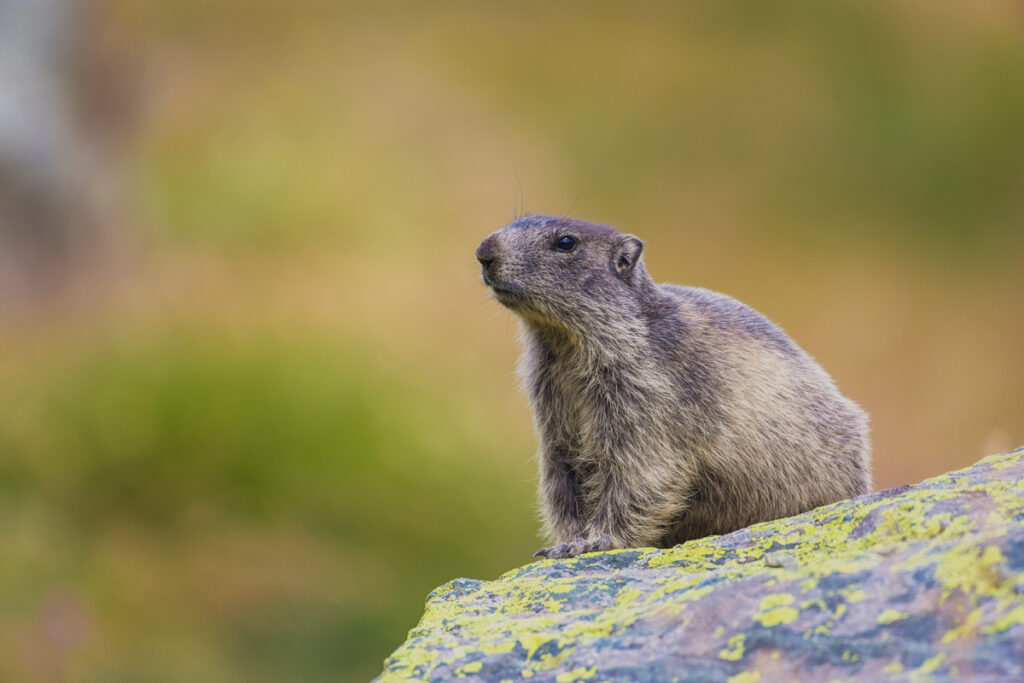
Marmots
These stocky mountain rodents spend much of the year preparing for a long winter’s nap, tucked away in burrows in ranges from the Alps to the Rocky Mountains. Many marmot species are very social and hibernate in family groups; several animals share a single burrow, huddled closely for warmth and even syncing their brief periods of waking to warm up. Young marmots are kept in the center of the group, where they’re warmed by the rest of their family members.
Before settling in for the season, marmots spend the warmer months eating and building up fat reserves, sometimes doubling their body weight before hibernation begins. Once underground, they can remain dormant for more than six months. During that time, even cellular processes such as gene expression slow down dramatically, which researchers believe may even slow their pace of biological aging.
Credit: Marko von der Osten/Alamy
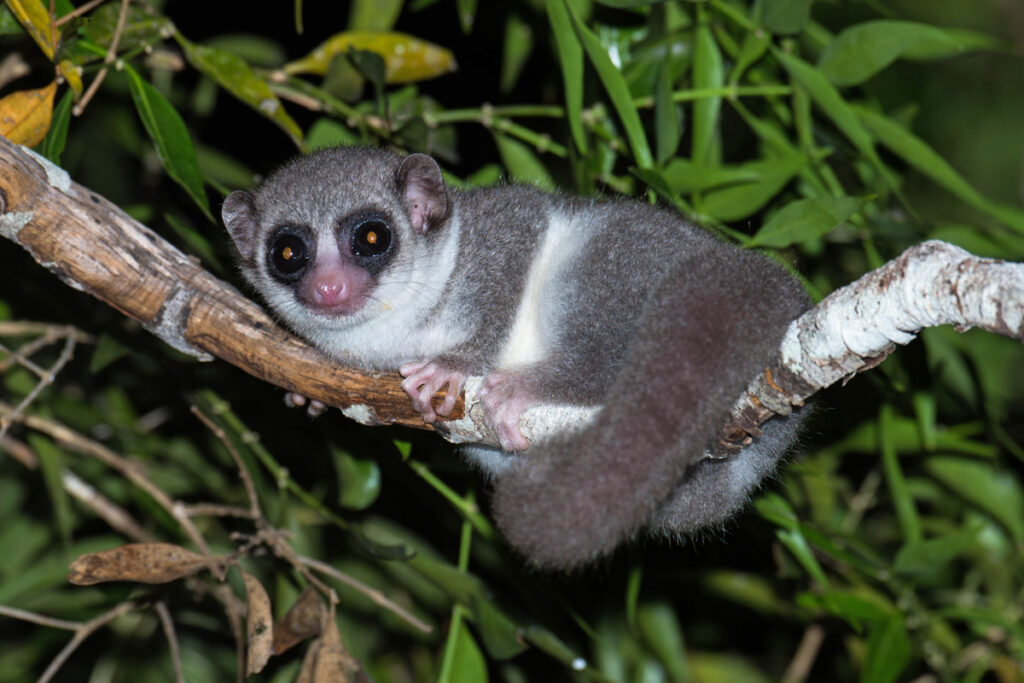
Fat-Tailed Dwarf Lemurs
Hibernation is often associated with rodents and bats, but one surprising member of the animal kingdom, the fat-tailed dwarf lemur, does it too. Found in Madagascar, this tiny primate spends the dry season in a state of dormancy, making it the only primate known to regularly hibernate.
Unlike many hibernators that shelter underground, fat-tailed dwarf lemurs retreat into tree holes, where they remain inactive for about six to eight months at a time to wait out Madagascar’s dry season. Before the dry season begins, they store large amounts of fat in their tails, a rare mammalian adaptation and the reason for their name.
Credit: Bob/Adobe Stock
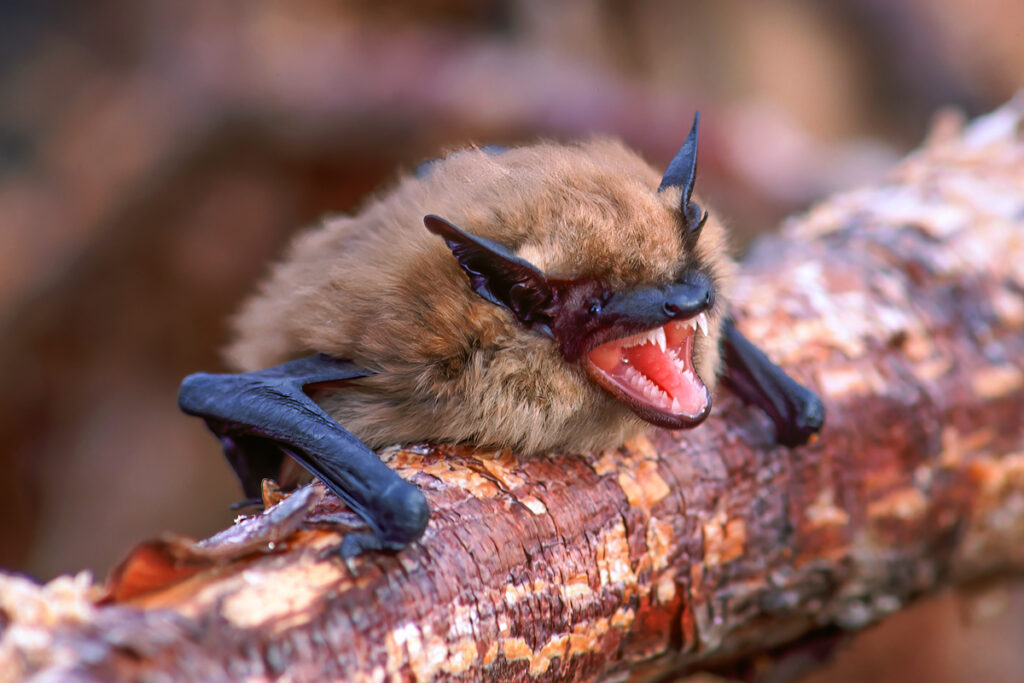
Little Brown Bats
When insects disappear during the colder months, the little brown bat retreats to caves, mines, or other protected rocky or wooden crevices and hibernates for up to six months. But their long winter sleep comes with a risk: These small, winged mammals are one of many species affected by white-nose syndrome, a fungal disease that thrives in the cold, humid environments where bats hibernate. The fungus grows on their skin and wing tissue, disrupting hibernation and causing bats to burn through the fat reserves they otherwise need to survive the winter.
In the absence of any outside factors, however, these bats are quite resilient. Hibernation brings a massive drop in their body temperature from around 100 degrees Fahrenheit to just a degree or two warmer than the temperature of the location in which they hibernate (typically around 34 to 40 degrees Fahrenheit). Their heart rate also dwindles to as few as eight beats per minute — a significant change from the typical 1,300 beats per minute during summer flight.
Tony is an English writer of nonfiction and fiction living on the edge of the Amazon jungle.
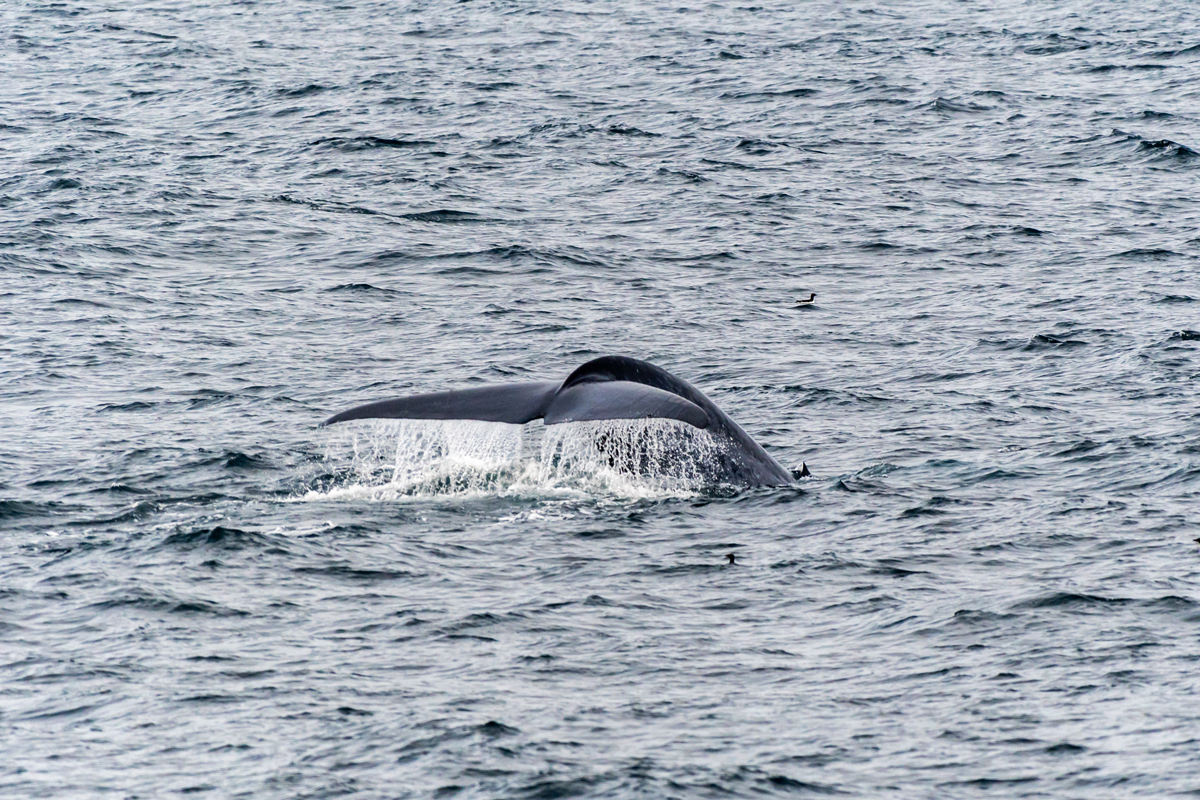
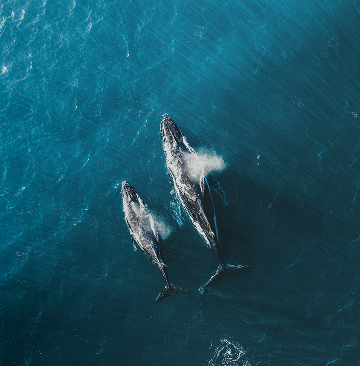
The blue whale — the largest animal that’s ever lived — has a heart befitting its monumental size. Weighing around 400 pounds and measuring roughly the size of a golf cart, it’s the largest heart of any animal on Earth.
When a blue whale dives in search of food, this mighty organ slows its rhythm to just two beats per minute. This extremely low heart rate is a remarkable physiological adaptation that helps the whale conserve oxygen, allowing the massive creature to reach depths of more than 1,000 feet and remain underwater for around 30 minutes. When it returns to the surface, its heart rate surges back up to around 25 to 37 beats per minute as the whale takes on fresh oxygen.
Kristina is a coffee-fueled writer living happily ever after with her family in the suburbs of Richmond, Virginia.
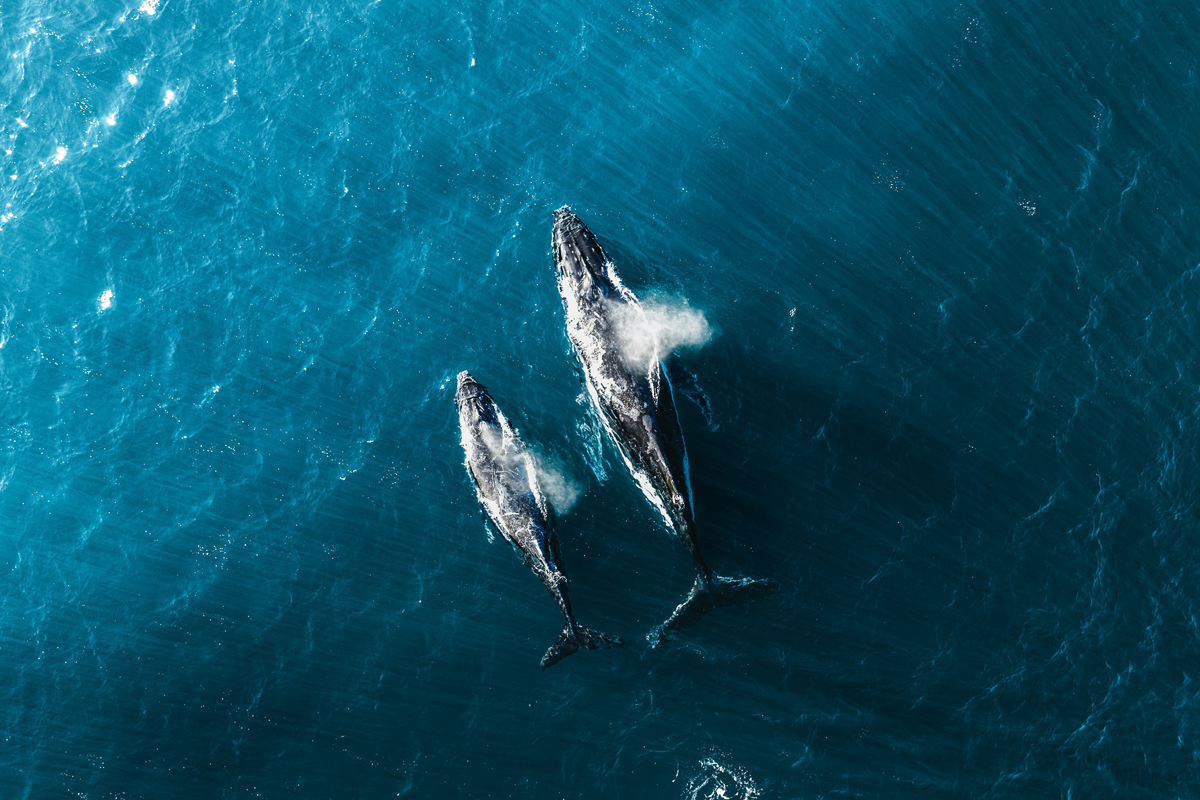
In the ocean, light fades quickly, but sound travels nearly five times faster in water than it does in air and can also travel much farther. Deep beneath the ocean’s surface, whales are communicating. They may not speak with words as humans do, but they have nonetheless developed some of the most sophisticated communication systems in the animal kingdom.
Over millions of years, whales evolved to rely on sound as their primary way of navigating, hunting, finding family members, and maintaining social bonds. Through songs, clicks, whistles, and body movements, they exchange information across vast underwater distances, sometimes reaching companions many miles away. Scientists have spent decades studying this hidden world, yet they’re still untangling its complexity.
Credit: gudkovandrey/Adobe Stock
Whale Songs
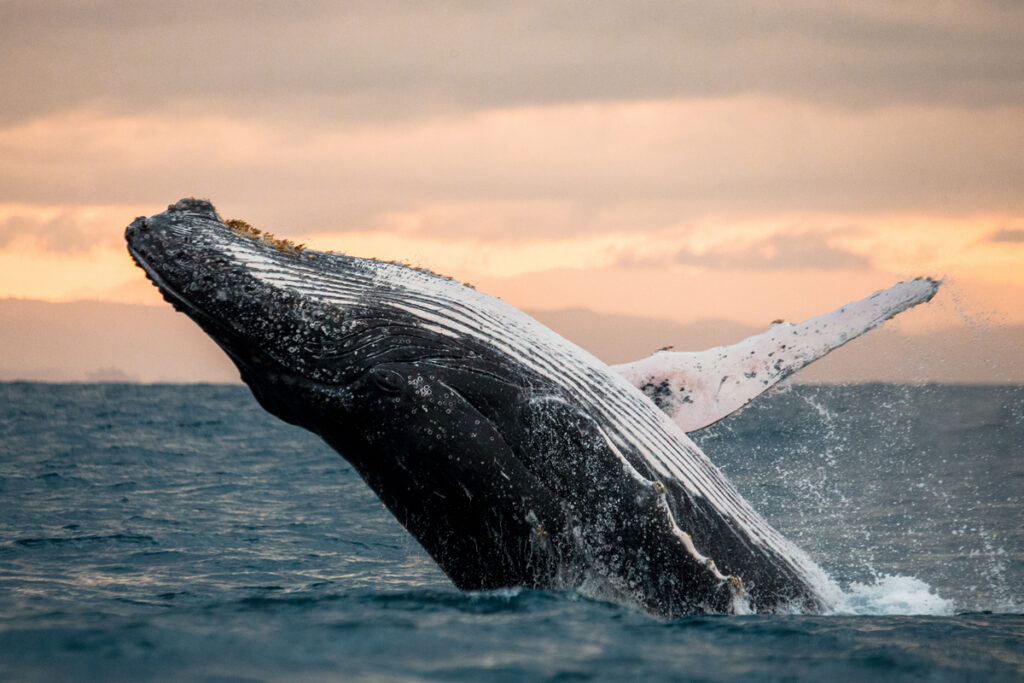
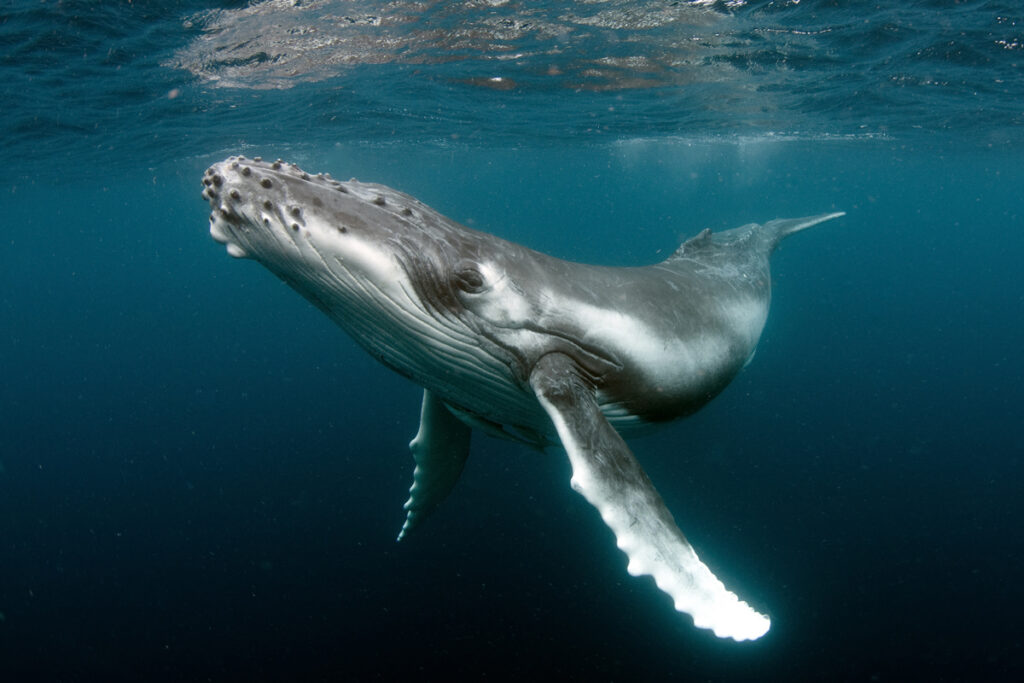
Perhaps the best-known example of whale communication is the haunting song of the humpback whale. These long, complex sequences of cries, moans, and whistles can continue for hours. During the breeding season, males often sing nearly nonstop, and whales in the same region tend to emit variations on the same song.
What makes humpback songs especially remarkable is that they change over time. New sounds are introduced, old ones disappear, and entire populations gradually adopt the latest version. Researchers believe the songs themselves play a role in reproduction, with males likely using them to attract mates or compete with other males, although the exact purpose is still being studied.
New song patterns have even spread from one whale population to another across the Pacific, suggesting humpbacks learn from one another rather than relying solely on instinct. This is one of the clearest examples of cultural transmission documented in a nonhuman animal.
Credit: Tomáš Malík/Unsplash.com
Different Sounds for Different Purposes
Not all whale communication sounds like a song. Different species have developed different ways of exchanging information depending on their environment and lifestyle.
Large baleen whales — including humpbacks, blue whales, and fin whales — don’t have teeth. Instead, they use comb-like plates of baleen to filter tiny prey such as krill and small fish from seawater. These whales often produce deep, low-frequency calls that can travel hundreds of miles through the ocean and that may help the whales stay in contact during migration, locate potential mates, or maintain connections across vast feeding grounds.
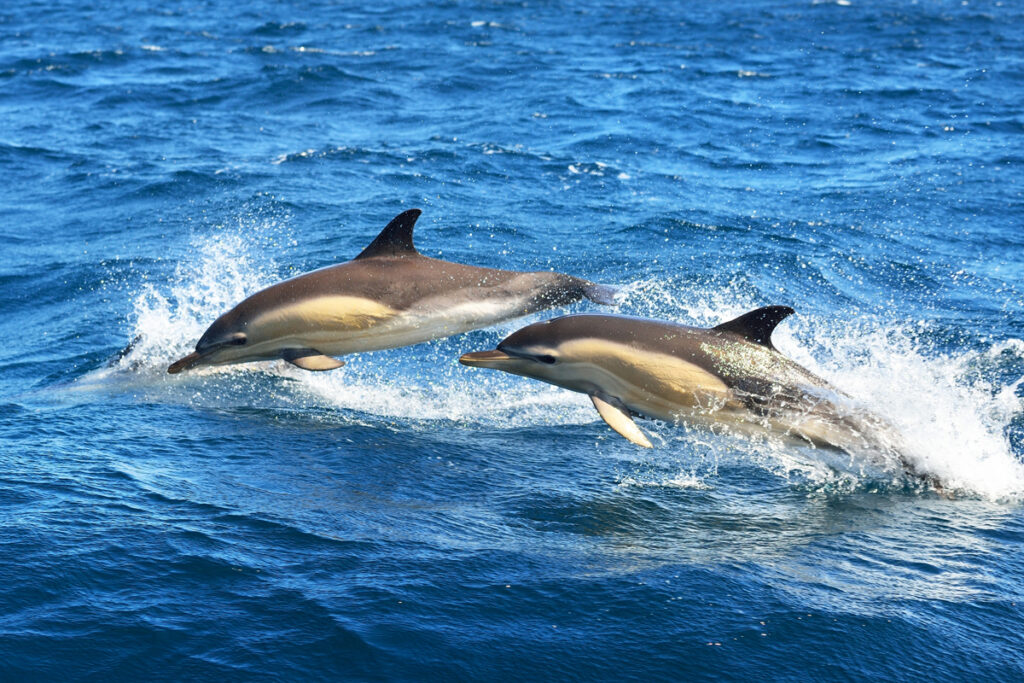
Toothed whales — including dolphins, orcas, and sperm whales — rely on a different system built around clicks and whistles. Rapid clicks provide echolocation, a natural sonar system that enables the animals to hunt and navigate in complete darkness, while whistles and other calls help them stay together, coordinate hunts, and maintain the complex social relationships that define their pods.
Credit: Alex Stemmer/Adobe Stock
Voices and Dialects
One of the most intriguing discoveries involves bottlenose dolphins, a species of toothed whale, each of which develops a unique “signature whistle” early in life. Other dolphins can imitate those whistles to call a particular individual, meaning they function much like human names. Rather than simply recognizing a familiar voice, dolphins appear able to “call” specific individuals using learned vocal signals.
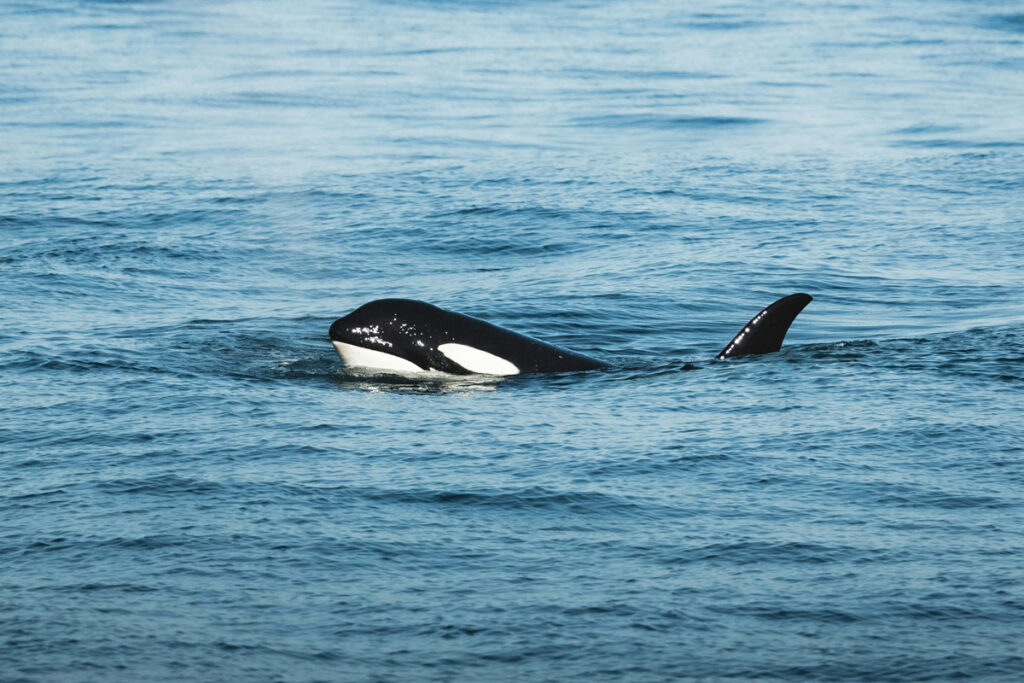
Orcas reveal another aspect of whale communication. Each pod has its own distinctive dialect, a kind of vocal “accent” made up of shared calls and patterns that group members learn from one another. Those shared vocal traditions are passed down through generations within the pod rather than inherited genetically, helping identify family groups and strengthen social bonds.
Sperm whales communicate using rhythmic click patterns known as codas. Different family groups and larger social “clans” use distinct codas that are learned and passed from one generation to the next. This variety of signature whistles, pod dialects, and clan-specific codas suggests that many whales and dolphins do more than make sounds — they learn and share communication traditions within their societies.
Credit: Tomas/Adobe Stock
Decoding the Language of Whales
Much of what scientists know about whale communication has come from decades of underwater listening. Beginning in the mid-20th century, researchers lowered sensitive microphones called hydrophonesinto the ocean and discovered that what seemed like a silent world was actually bursting with sound.
Today, networks of hydrophones allow scientists to monitor whale populations across vast distances. By comparing recordings collected over many years, researchers can identify different species, track migration patterns, recognize call patterns, and study how whale songs have changed over time.
Advances in artificial intelligence are now helping scientists analyze millions of recordings that would have taken decades to study manually. As researchers continue working to understand these complex communication systems, each new discovery reveals just how much there is left to learn.
Advertisement
A Tiger’s Territory Can Be Bigger Than the Entire State of Rhode Island
Bennett Kleinman is a New York City-based staff writer for Inbox Studio. He is also a freelance comedy writer, devoted New York Yankees and New Jersey Devils fan, and thinks plain seltzer is the best drink ever invented.
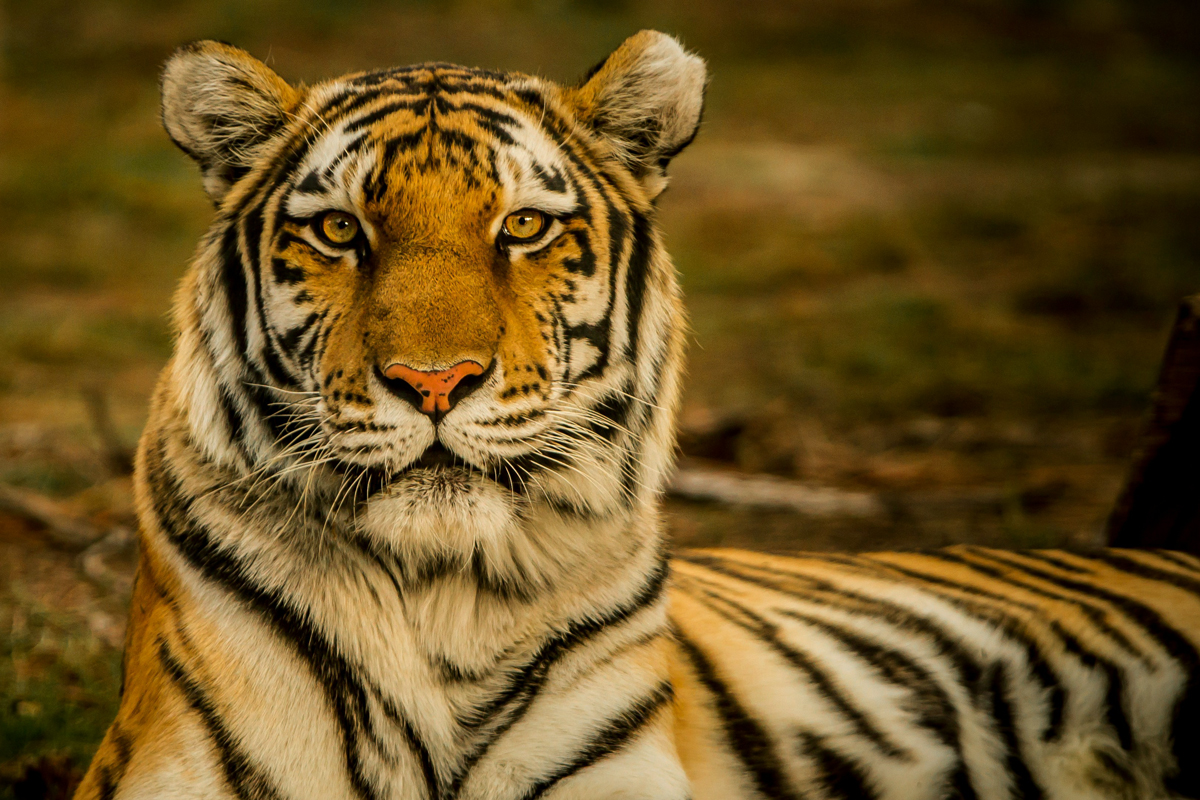
You aren’t likely to see a wild tiger roaming through Providence or sauntering down I-95, but if tigers were native to the Ocean State, their territory could potentially encompass the entire state and then some. That’s because Rhode Island has a total area of 1,545 square miles, while the territory of an Amur tiger can be as large as 1,600 square miles.
Amur tigers are native to Siberia (you may better know them as Siberian tigers). While females with cubs typically stay within an area of roughly 6 square miles, males and some females without cubs are known to venture for hundreds of miles. The primary reason is to track down food: Siberia is a barren region with low prey density, so an Amur tiger may expand its range simply to survive.
Advertisement
Glass Frogs Are So Transparent You Can See Their Hearts Beating
Tony is an English writer of nonfiction and fiction living on the edge of the Amazon jungle.
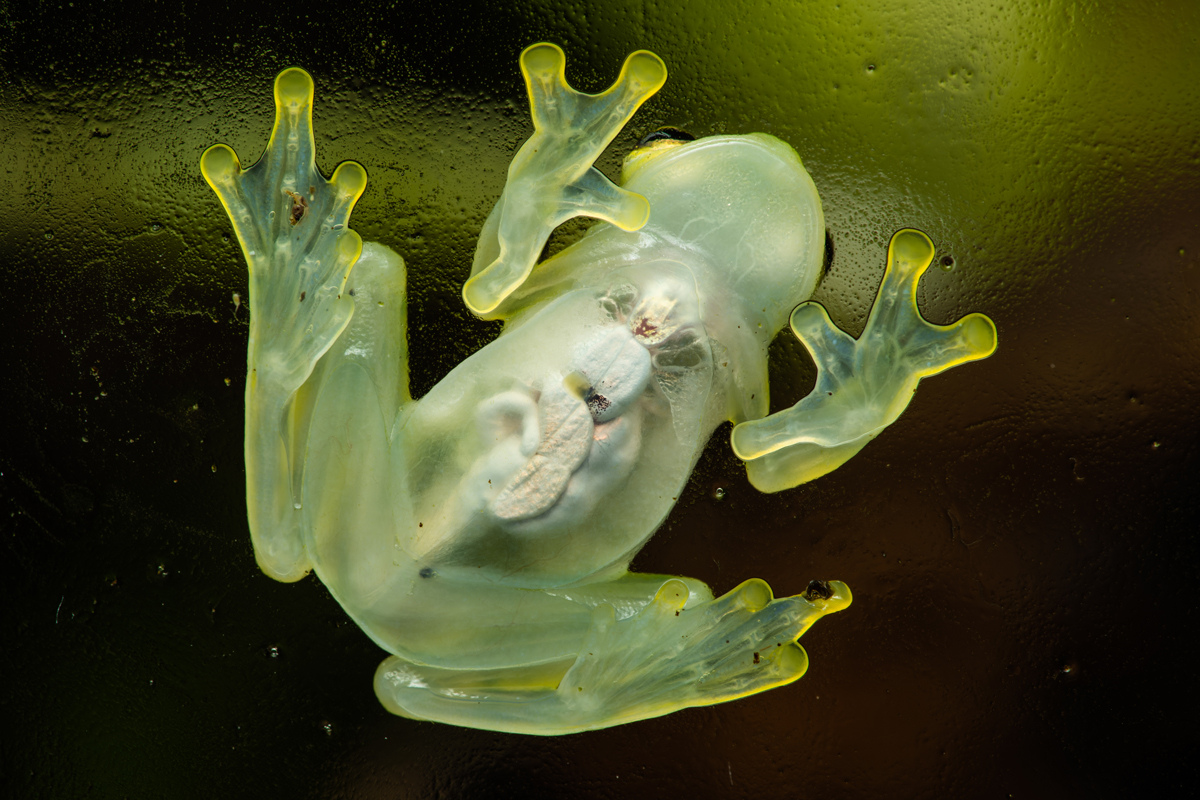
The small, lime-green glass frogs of Central and South America have one very peculiar characteristic: Their undersides are so completely transparent that their internal organs are fully visible through the skin. You can see the liver, intestines, and most remarkably of all, the heart — a small, red, rhythmically pulsing structure visible to the naked eye through living tissue.
In 2022, a study by researchers at Duke University revealed the mechanism behind this transparency: When glass frogs sleep, they pump almost all of their red blood cells into the liver. This reduces the blood’s visibility, the primary obstacle to the frog’s transparency, by around 89%. In effect, the creatures hide their own blood while they sleep, which lends them an incredible degree of transparency, allowing them to blend in with the surrounding environment.
Advertisement
Sailfish Can Swim as Fast as Cheetahs Can Run
Fish 22/07/26Jul. 22, 2026
Updated 23/07/26Jul. 23, 2026
Credit: Connect Images/Adobe Stock
Bennett Kleinman
Author
Bennett Kleinman is a New York City-based staff writer for Inbox Studio. He is also a freelance comedy writer, devoted New York Yankees and New Jersey Devils fan, and thinks plain seltzer is the best drink ever invented.
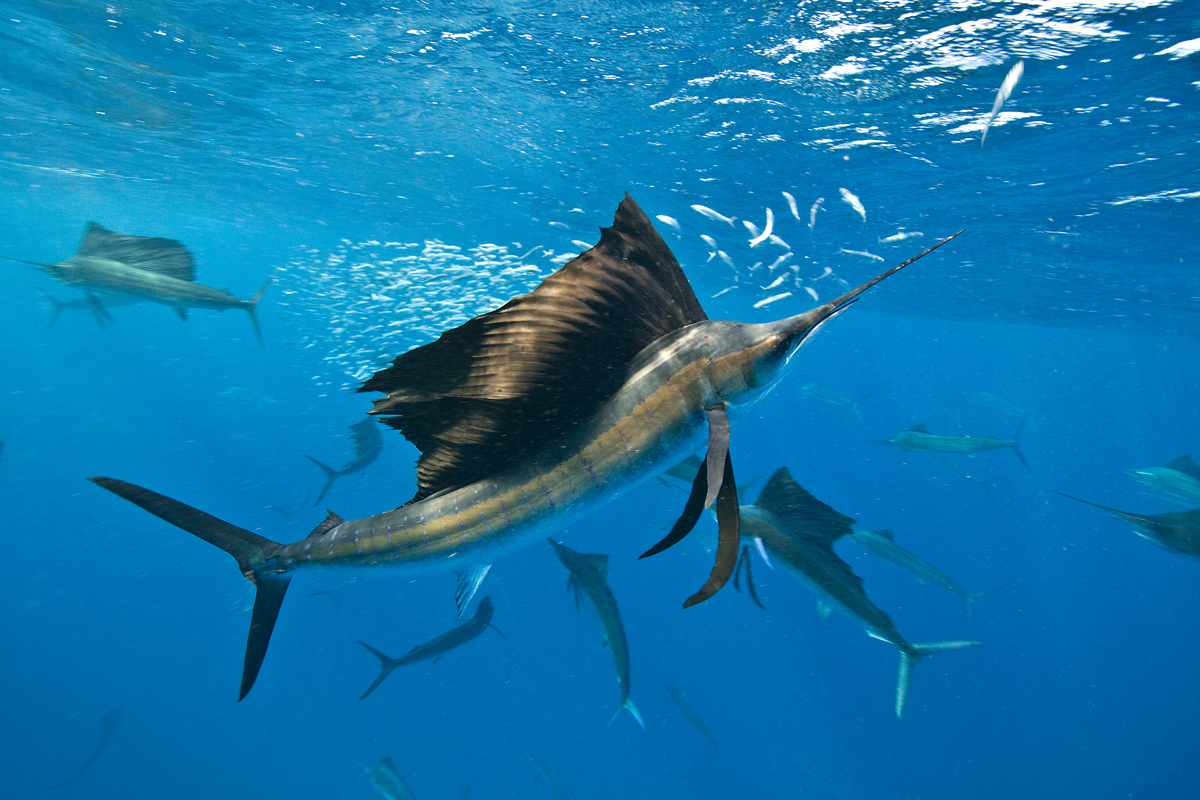
Cheetahs are known for being fleet-footed, reaching top speeds of 65 to 75 miles per hour. But there’s one type of fish that can be aptly described as fleet-finned, giving cheetahs a run (forgive the pun) for their money. Sailfish — specifically the Indo-Pacific sailfish (Istiophorus platypterus) and Atlantic sailfish (Istiophorus albicans), the two primary species of sailfish — can zoom around at up to 68 miles per hour.
While sailfish typically swim at a speed between 20 and 35 miles per hour, they can achieve double that in short bursts, typically when chasing prey. This is despite the fish’s immense size, as the average adult sailfish measures 11 feet long and weighs 211 pounds. But their sleek bodies allow them to glide through water with ease, and their powerful crescent-shaped caudal fins (or tails, in layman’s terms) propel the fish forward with incredible strength at lightning-fast speed.
Advertisement
5 Animals That Are Essentially Invisible
Across Species 22/07/26Jul. 22, 2026
Updated 22/07/26Jul. 22, 2026
Credit: chomphunuts/Adobe Stock
Tony Dunnell
Author
Tony is an English writer of nonfiction and fiction living on the edge of the Amazon jungle.
Evolution is an endlessly innovative process. While predators develop sharper senses and more effective ways to detect their targets, their prey develop better ways to hide. Over millions of years, this back-and-forth has produced some of the most extraordinary adaptations in the natural world — including animals seemingly capable of vanishing in plain sight, outwitting eyes far keener than our own.
Scientists call this ability crypsis, or the ability to deploy camouflage using strategies such as background matching, disruptive coloration, and masquerading as inedible objects. The most accomplished masters of disguise are so adept at disappearing that, in some cases, they not only fool their predators, but trained biologists as well. Here are five creatures so good at hiding that they’re essentially invisible.
Credit: mgkuijpers/Adobe Stock
Leaf-Tailed Geckos
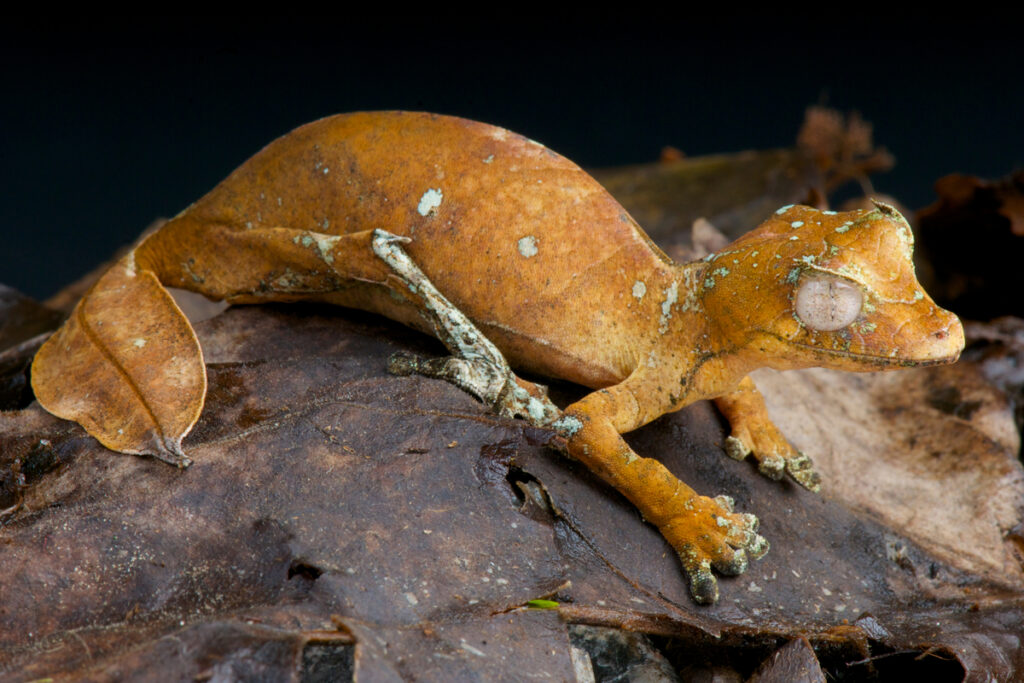
Found in the rainforests of Madagascar, leaf-tailed geckos are widely regarded as some of the most perfectly camouflaged animals ever documented. In 1989, only six species of leaf-tailed geckos were known to exist, but 22 have been recorded as of 2026, with more yet to be discovered — a testament to how tricky it is to actually spot these crafty nocturnal lizards.
These geckos have bark-like skin, flattened tails, and skin flaps surrounding their whole body and head — the edges fringed with dermal flaps that eliminate shadows — all of which combine to give the animals no visible silhouette at all. During the day, they press themselves flat against bark or among leaf litter and remain still, perfectly blending into their environment. Even experienced naturalists struggle to detect them when standing mere feet away.
Credit: chomphunuts/Adobe Stock
Pygmy Seahorses
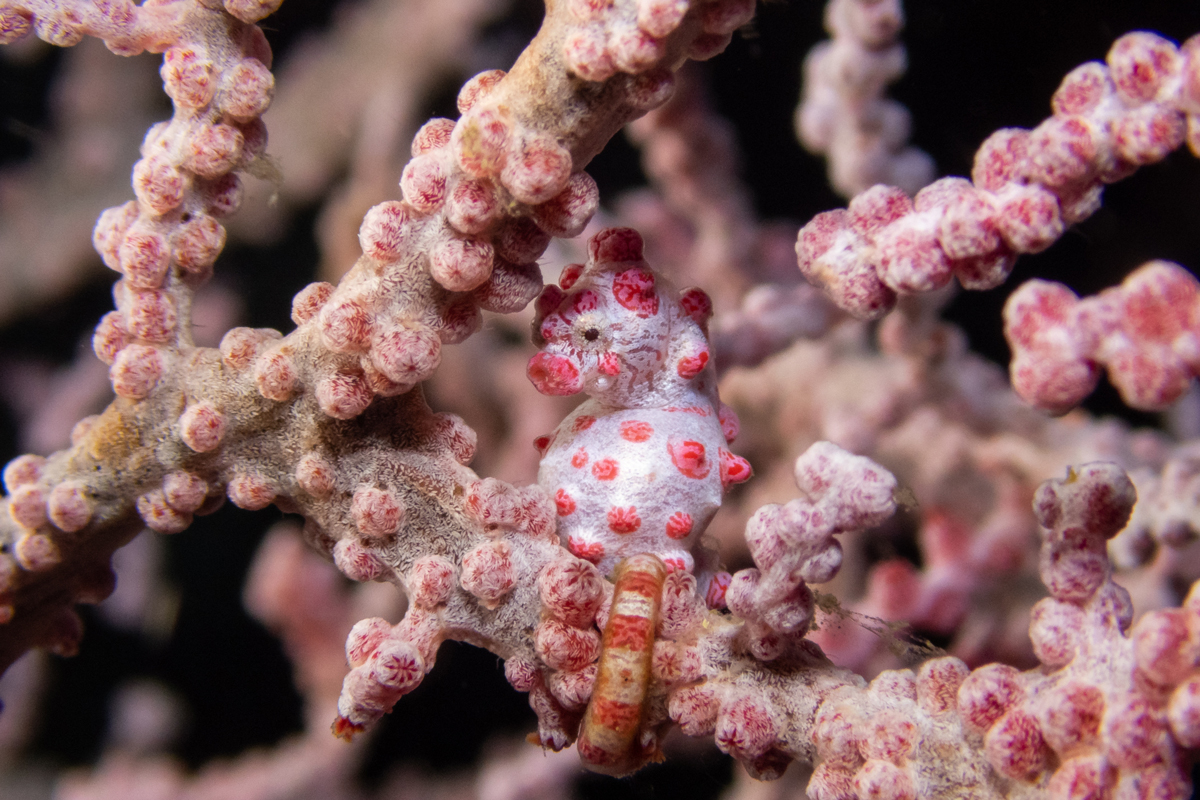
Pygmy seahorses exclusively inhabit specific species of fan coral in the Western Pacific Ocean. As the smallest seahorse species in the world, measuring less than the length of a thumbnail, they’re already hard to spot — but they also have an uncanny ability to blend in with the coral they call home.
Their bodies are covered in rounded tubercles that replicate the exact texture and color of said coral. When they attach themselves to the coral with their tails, they look just like extensions of the branching fans. The match is so precise that the species was only discovered by accident in 1969 when a coral sample was brought into a laboratory and examined under magnification — at which point a scientist noticed the attached seahorse.
Credit: michaelfitz/Adobe Stock
Gaboon Vipers
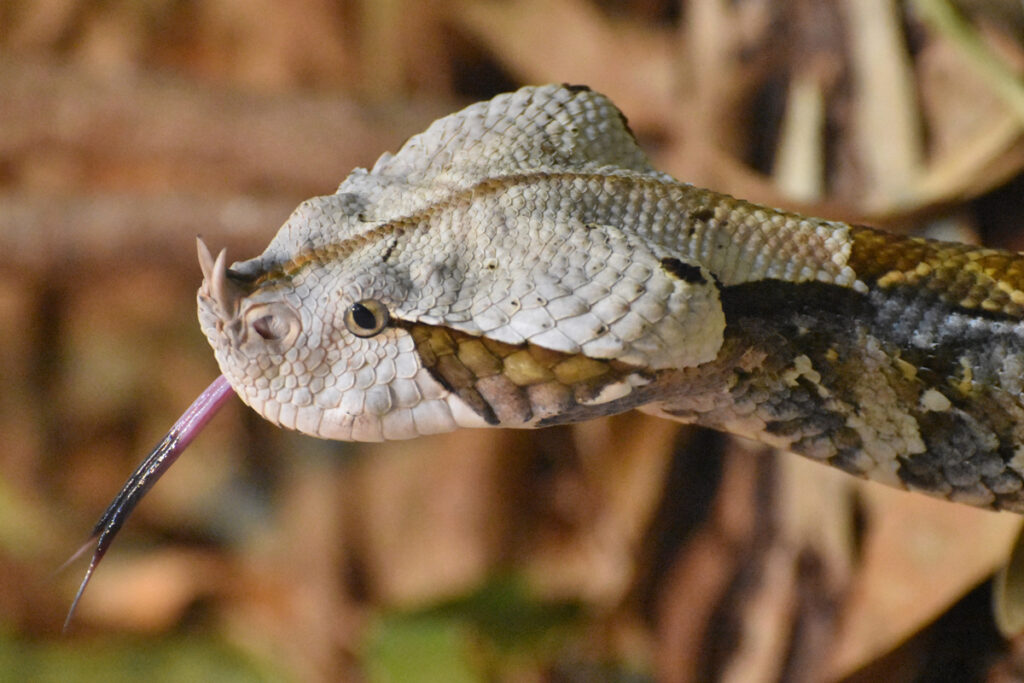
If you’re scared of snakes, brace yourself: The Gaboon viper possesses the longest fangs of any venomous snake, has the highest venom yield per bite, and is the heaviest venomous snake in Africa. As if that wasn’t enough, it’s also adorned with a strikingly elaborate geometric pattern of diamonds and stripes that — while dramatic and ornamental in the open — renders it basically invisible when resting motionless among dry leaves on the forest floors of sub-Saharan Africa.
The pattern is one of the most sophisticated examples of disruptive camouflage in the animal kingdom, breaking up the snake’s outline so completely that it ceases to look like a living thing.
Credit: David Clode/Unsplash.com
Stonefish
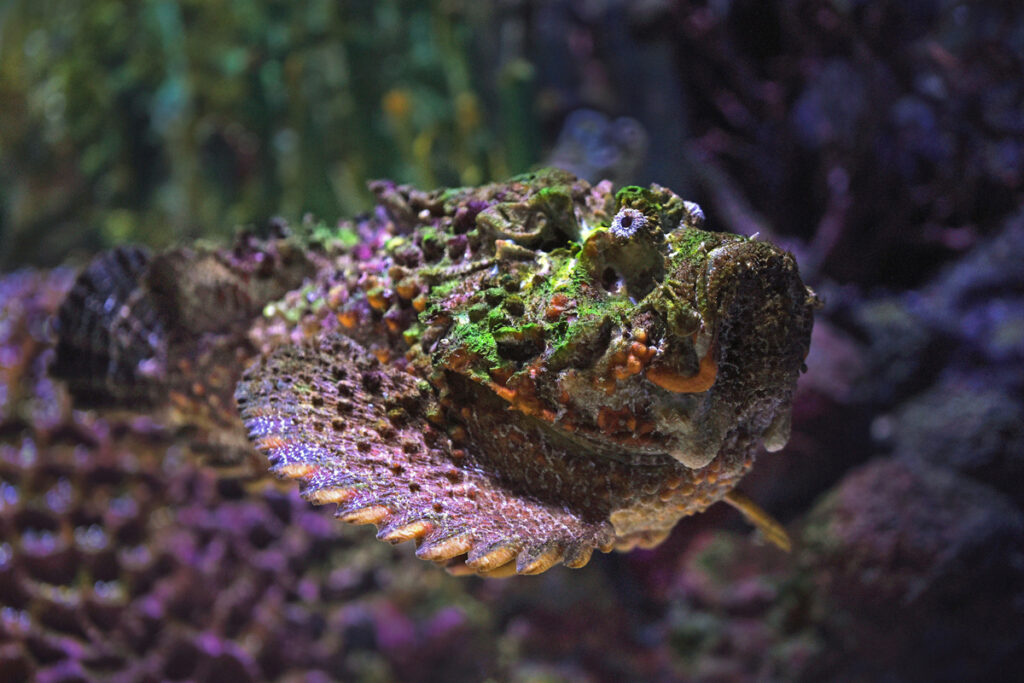
The stonefish is both the world’s most venomous fish and one of its most perfectly camouflaged — a chilling combination. These ambush predators rest motionless on the seafloor or among rocks and coral, where they become practically indistinguishable from the surrounding environment.
The stonefish’s warty, irregular skin matches the encrusted rock so precisely that it can sit in shallow water just inches from potential prey or predators — or a swimmer’s foot — without detection. They possess up to 15 dorsal spines, capable of delivering venom that causes excruciating pain. Stonefish venom can be deadly to humans, but fatalities are rare.
Credit:Tom Goaz/Adobe Stock
Cuttlefish
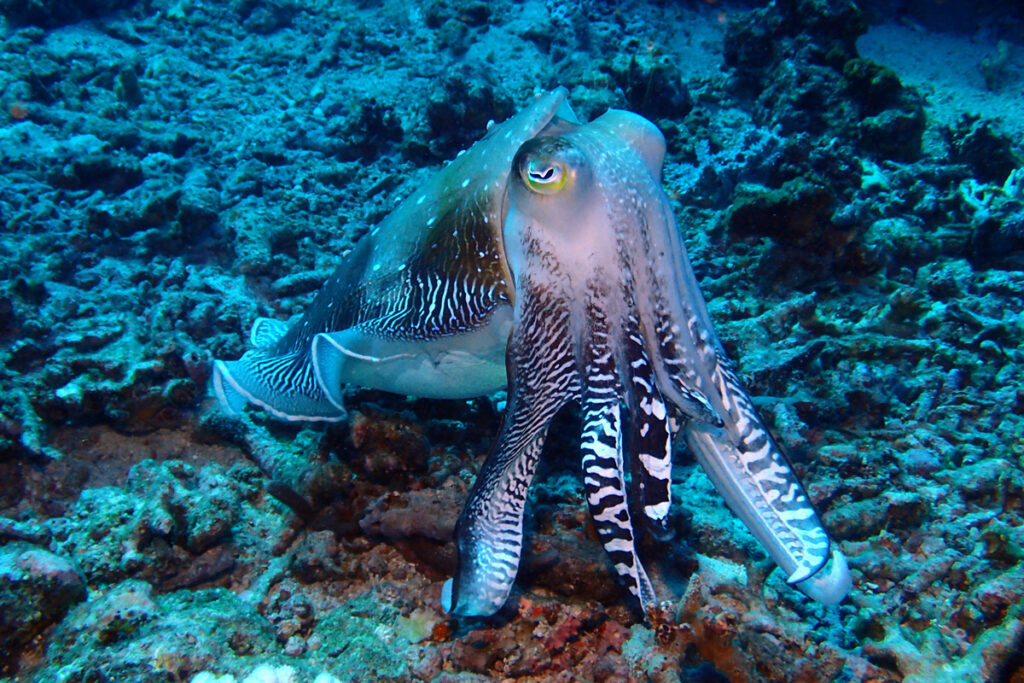
The cuttlefish is one of the most intelligent invertebrates in the world, with levels of self-control comparable to that of primates. It also has one of the most sophisticated camouflage systems in the known animal kingdom.
Like its close relation the octopus, the cuttlefish gets its incredible camouflage abilities from cells called chromatophores that extend all across its skin. It controls up to 10 million of these pigment-containing cells, allowing it to change its color and surface texture in less than a second. These amazing cephalopods can also change the physical texture of their skin to match the surrounding rocks, coral, or seaweed, enhancing one of the most effective invisibility cloaks in nature.
Advertisement
Your Daily Guide to the Animal Kingdom
Get to know the animals that share our planet with this daily newsletter.
Success! Welcome to Animal Facts.
Check your inbox for your daily email.
Sorry, your email address is not valid. Please try again.